

Design by UBER
Grade II Listed Renovations in Cheshire
Renovating a Grade II listed home requires more than good taste. It demands precision, patience, and regulatory understanding. At Design by UBER, we specialise in navigating the unique challenges of listed building interior design, delivering luxurious yet compliant outcomes across Cheshire. In this guide, we explore how thoughtful interiors can breathe new life into historic properties while fully respecting their architectural significance.
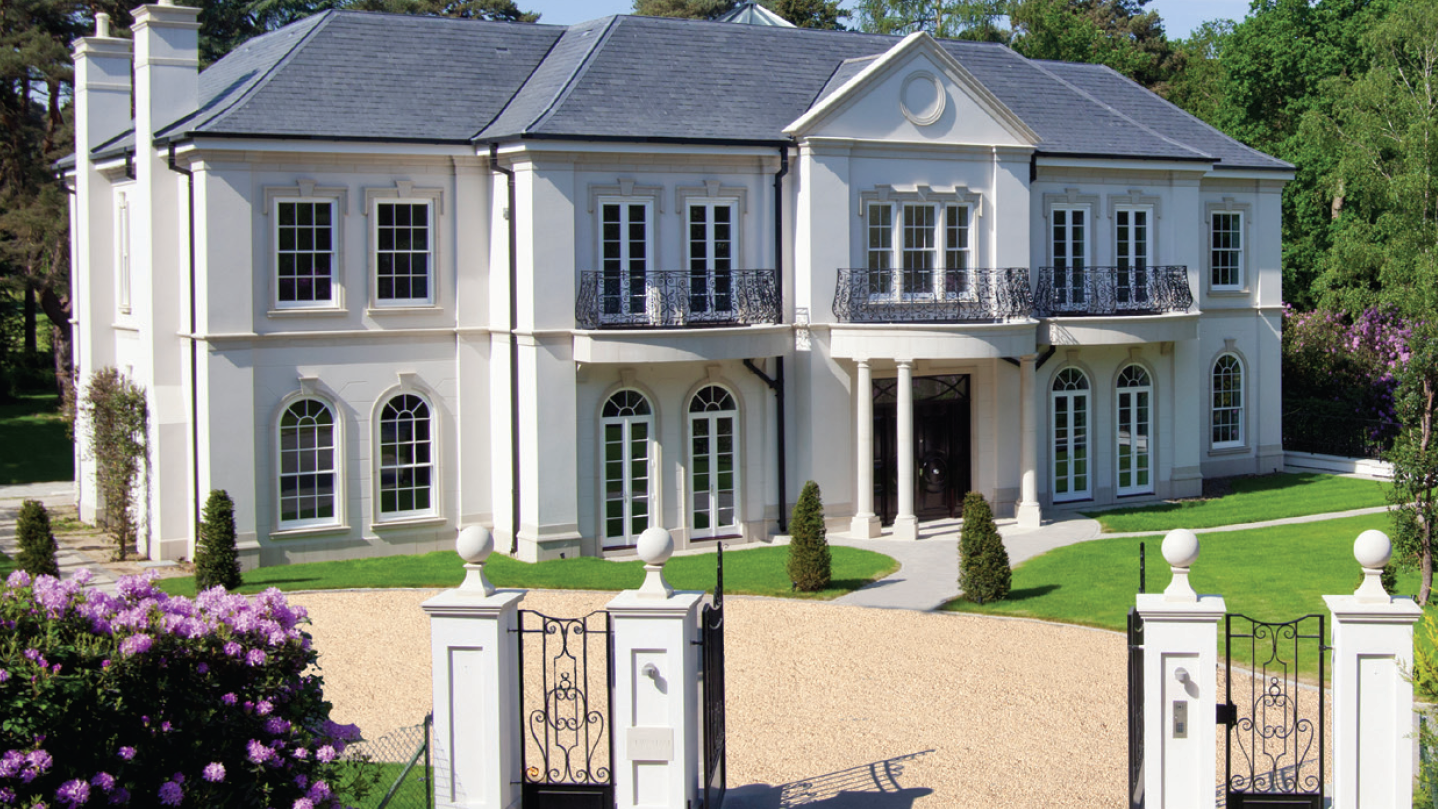
What Does Grade II Listing Mean for Interior Design?
A Grade II listing protects buildings of national interest, often due to their age, craftsmanship, or historic relevance. While it primarily affects the exterior, internal alterations often require consent, especially if features like staircases, fireplaces, or mouldings are original.
Key implications for interior designers:
- Must preserve significant historical elements
- Consent required for structural or layout changes
- Use of traditional materials is often preferred
Design by UBER works closely with conservation officers to ensure every decision aligns with both aesthetic goals and statutory requirements.
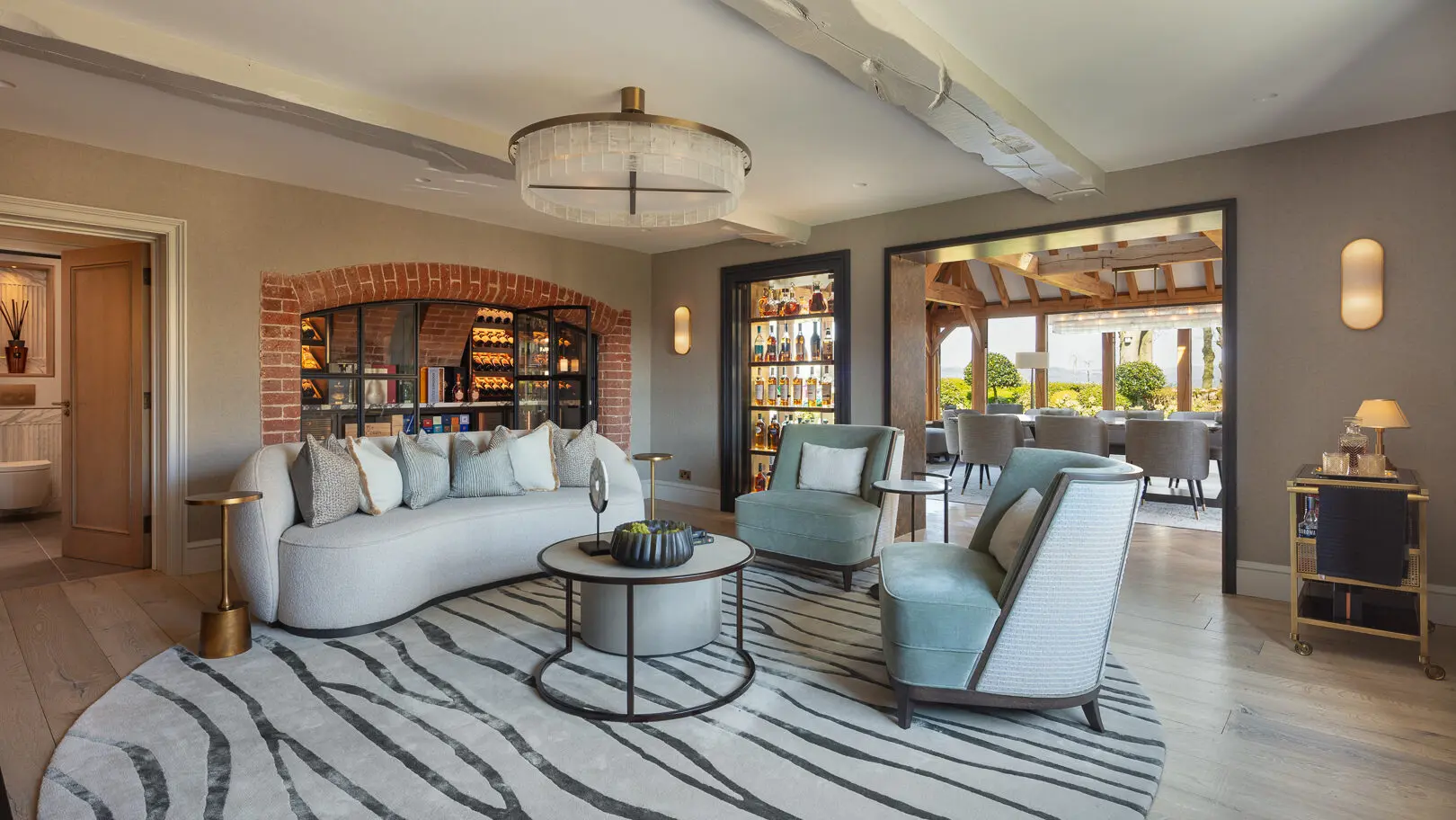
Can You Renovate a Grade II Listed Interior?
Yes, but only with careful planning. Listed buildings are not frozen in time. They are living spaces that can evolve. The key lies in respectful transformation.
Common areas of permitted change:
- Flooring replacement with heritage-appropriate materials
- Kitchen and bathroom upgrades that avoid damaging period features
- Reversible joinery or cabinetry installations
We develop compliant designs that improve lifestyle function without compromising heritage value.
What Are the Most Common Challenges in Listed Property Interiors?
1. Navigating Consent and Compliance
Any internal work must satisfy both the homeowner’s vision and the local planning authority’s guidelines. We handle:
- Listed Building Consent applications
- Dialogue with conservation officers
- CAD drawings to support planning submissions
2. Balancing Old with New
Sympathetic layering is an art. We blend contemporary luxury with timeless materials such as lime plasters, reclaimed wood, or original stone.
3. Sourcing Heritage-Compatible Materials
Not all modern materials pass scrutiny. We commission:
- Bespoke cornices, skirting, and mouldings
- Period-appropriate flooring and tiles
- Custom joinery to match existing structures
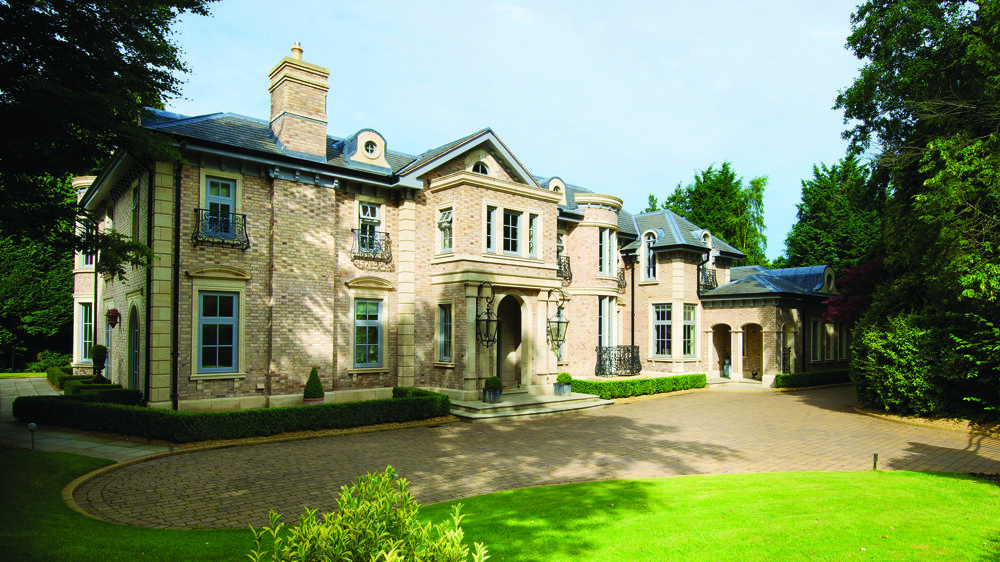
How Does Design by UBER Approach Grade II Listed Renovations?
We start with research, not redesign. Understanding a property’s history and fabric is central to our approach.
Our typical workflow includes:
- Historic property audit and photographic survey
- Consultation with local heritage bodies
- Concept development focused on reversible or non-invasive elements
- Detailed technical drawings
- FF&E curation and procurement
Our team brings regulatory experience and creativity together to deliver compliant luxury.
Interior Elements That Can Transform Without Compromising Heritage
- Lighting: Discreet LED uplighting to avoid drilling historic walls
- Flooring: Herringbone oak laid over breathable substrates
- Bathrooms: Freestanding roll-top baths and vintage-style brassware
- Storage: Built-in cabinetry designed to complement original detailing
Our goal is always to add comfort, not conflict.
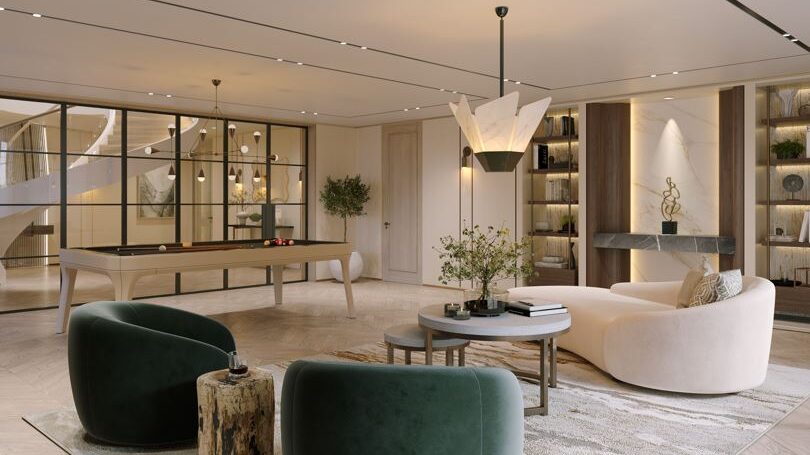
Listed Buildings and Modern Living: Yes, It’s Possible
Today’s owners need more than authenticity. They need performance. Smart home systems, insulation, and energy-saving upgrades can be achieved with clever concealment and reversibility.
Examples include:
- Underfloor heating beneath traditional flooring
- Wi-Fi infrastructure hidden behind panelling
- Smart lighting systems retrofitted with minimal intrusion
Heritage living doesn’t have to mean outdated living.
Why Choose Design by UBER?
- Full service from design to procurement
- Strong relationships with local authorities
- Award-winning design blending form and function
We understand that listed homes deserve more than decoration. They demand care, knowledge, and vision.
Ready to Raise the Bar?
If you’re dreaming of a space to entertain, impress, and indulge, Design by UBER is ready to craft it. Let’s bring your bespoke home bar to life with the detail it deserves.