Bedroom Design
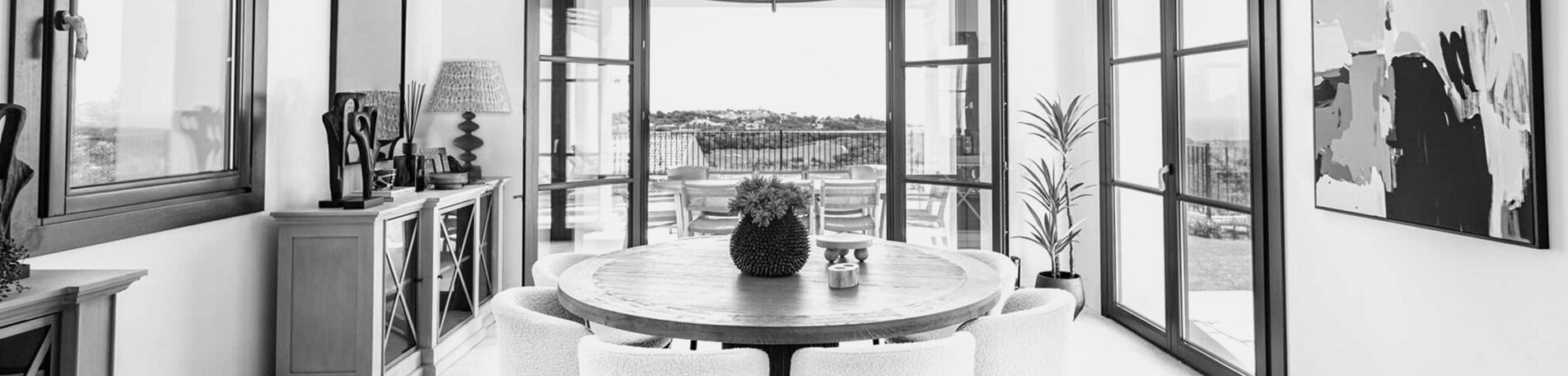
A well-planned bedroom design shapes more than the visual character of a room. It influences comfort, atmosphere and the way we unwind at the end of each day. As one of the most personal spaces within a home, the bedroom must balance relaxation with thoughtful functionality.
At Design by UBER, bedroom interior design begins with spatial awareness. The placement of the bed, the relationship between furniture pieces and the quality of materials all play a role in creating a cohesive and restful environment. Lighting, colour and texture are carefully layered to produce a space that feels calm, refined and personal.
Whether part of a larger master suite or a standalone room, a well-designed bedroom should feel both restorative and beautifully composed. Through careful planning and subtle detailing, luxury bedroom design can transform an ordinary room into a sanctuary within the home.
Why Is Bedroom Design Important?
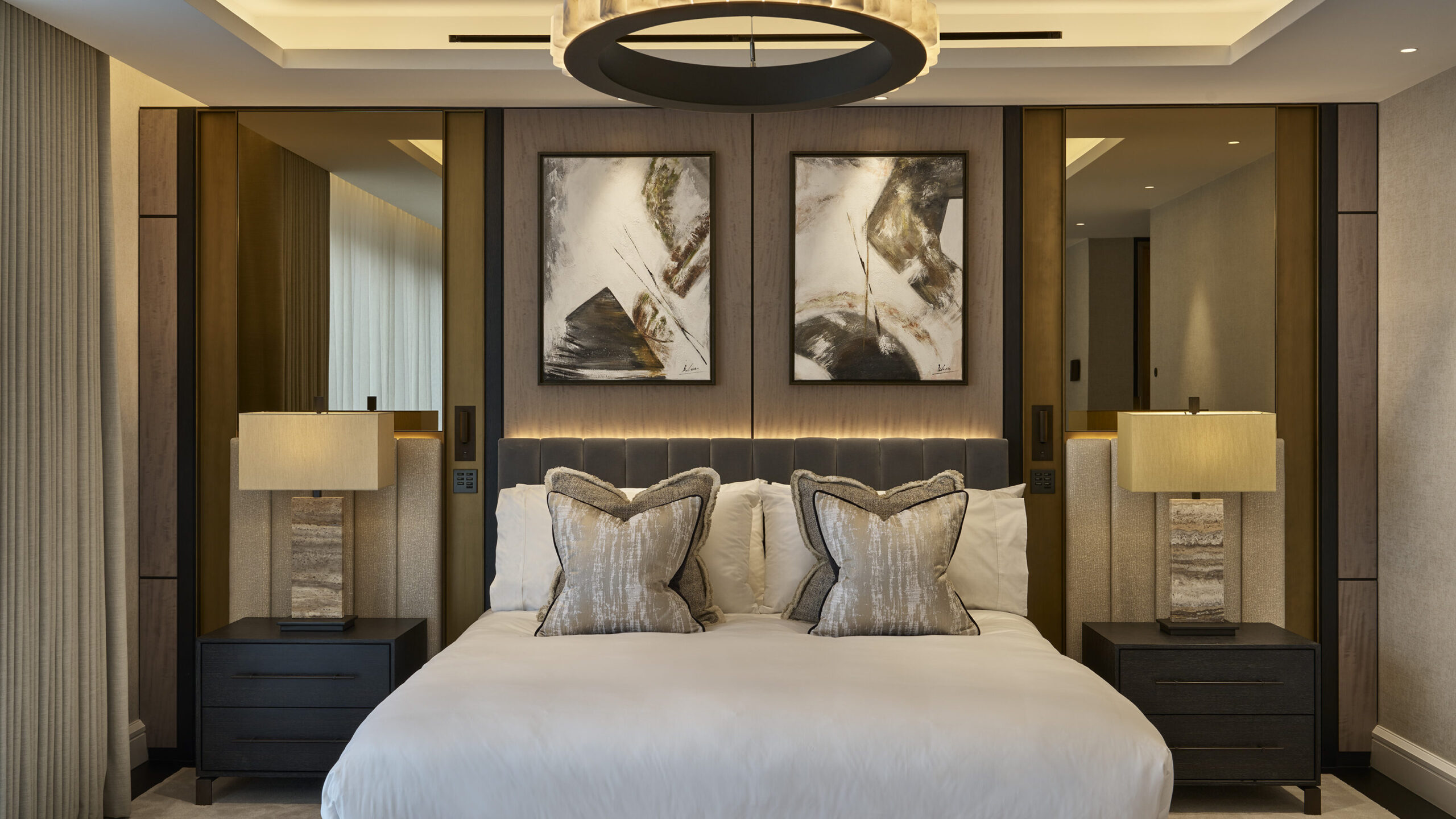
Bedrooms play a unique role in the rhythm of daily life. They are spaces where we rest, recharge and prepare for the day ahead. Thoughtful bedroom interior design supports these routines while also reflecting the personality of the homeowner.
A successful bedroom balances several elements:
- Comfortable and well-positioned furniture
- Soft, calming lighting
- Materials that create warmth and texture
- Storage that keeps the room organised
- Styling that reflects personal taste
When these elements work together, the bedroom becomes more than a functional space. It becomes a private retreat that encourages relaxation and wellbeing.
What Defines a Luxury Bedroom Interior Design?
Luxury bedroom design is not defined solely by expensive materials or dramatic features. Instead, it emerges from balance, proportion and attention to detail.
Several key elements contribute to a refined bedroom interior.
Layout and Space Planning
The layout forms the foundation of any successful bedroom interior design scheme. The bed typically acts as the focal point, with furniture arranged to support both comfort and visual symmetry.
Important layout considerations include:
- Clear circulation space around the bed
- Balanced placement of bedside furniture
- Alignment with windows or architectural features
- Additional seating or relaxation areas
Careful space planning allows the room to feel open and harmonious while maintaining a sense of intimacy.
Materials and Texture
Materials play an important role in shaping the atmosphere of a bedroom. Soft textures and layered finishes help create warmth while adding visual interest.
Designers often combine materials such as:
- Upholstered headboards
- Natural timber finishes
- Soft woven rugs
- Linen or velvet fabrics
- Decorative wall finishes
This layering of materials introduces subtle depth while maintaining a calm and cohesive environment.
Lighting Design
Lighting is one of the most important components of bedroom design. A layered lighting scheme allows the space to adapt to different moods and functions.
A well-designed bedroom typically includes:
- Ambient lighting for general illumination
- Bedside lighting for reading and relaxation
- Accent lighting to highlight architectural details
- Decorative fixtures that enhance the design
Dimmable lighting can further enhance the atmosphere, allowing the room to shift from bright morning light to softer evening tones.
Master Bedroom Suites and Connected Spaces
Modern homes often treat the bedroom as part of a larger private suite. In these layouts, the bedroom connects seamlessly with dressing areas and ensuite bathrooms.
A master bedroom design may include:
- A dedicated sleeping area
- Walk-in wardrobes or dressing rooms
- An ensuite bathroom
- A seating or lounge space
These connected environments create a sense of flow and privacy while supporting everyday routines.
For more inspiration, read our journal: Master Bedroom Retreats: Ultimate Comfort & Style.
Alternatively, explore the Dressing Rooms and Bathroom Design journals.
Creating a Calm Bedroom Environment
Achieving this often begins with colour, texture and atmosphere.
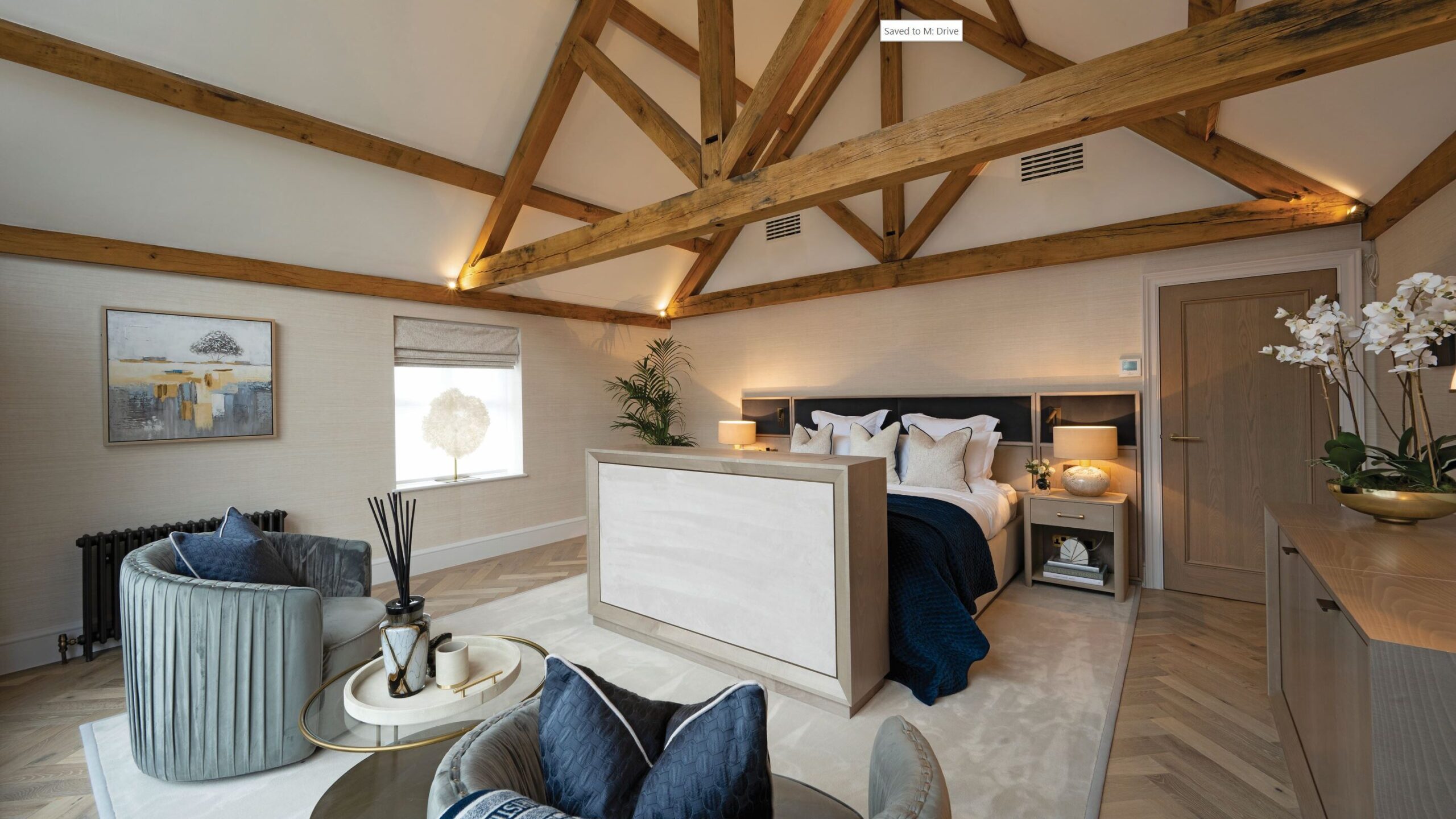
Designers frequently favour softer palettes and natural materials that promote a sense of calm. Subtle layering helps the room feel warm without becoming visually overwhelming.
Design strategies for creating a tranquil bedroom include:
- Neutral or muted colour palettes
- Natural materials such as timber and linen
- Soft layered textiles
- Balanced lighting that avoids harsh contrasts
- Minimal clutter through thoughtful storage
These elements combine to produce a space that feels both elegant and restful.
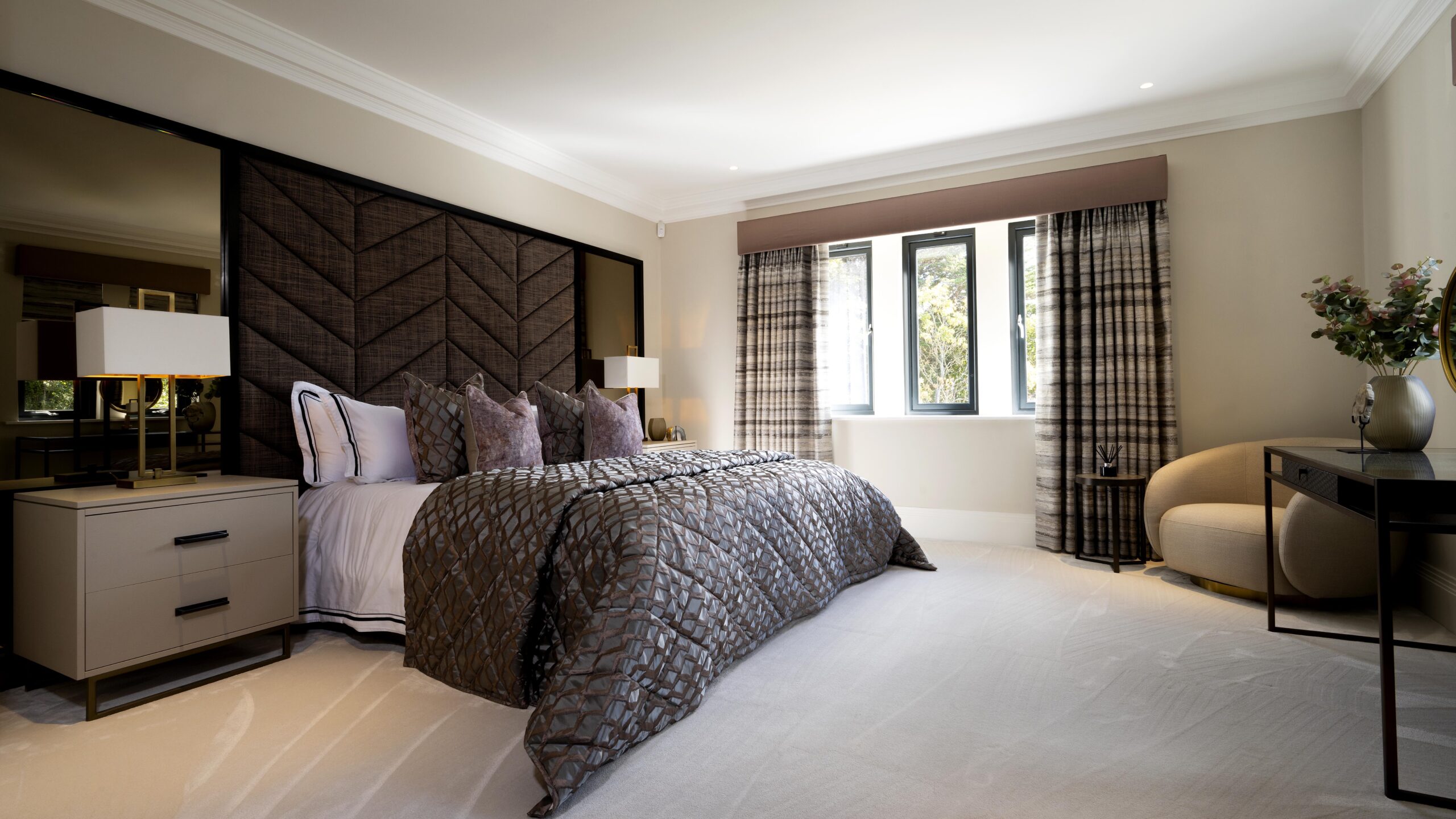
Storage and Dressing Areas
Effective storage plays an important role in maintaining the calm atmosphere of a bedroom. Without thoughtful planning, clutter can quickly disrupt the balance of the space.
Designers often integrate storage solutions directly into the architecture of the room.
Examples include:
- Built-in wardrobes
- Bespoke cabinetry
- Integrated shelving
- Concealed storage within furniture
In larger homes, wardrobes may extend into dedicated dressing spaces. These areas are explored further within the Dressing Rooms journal.
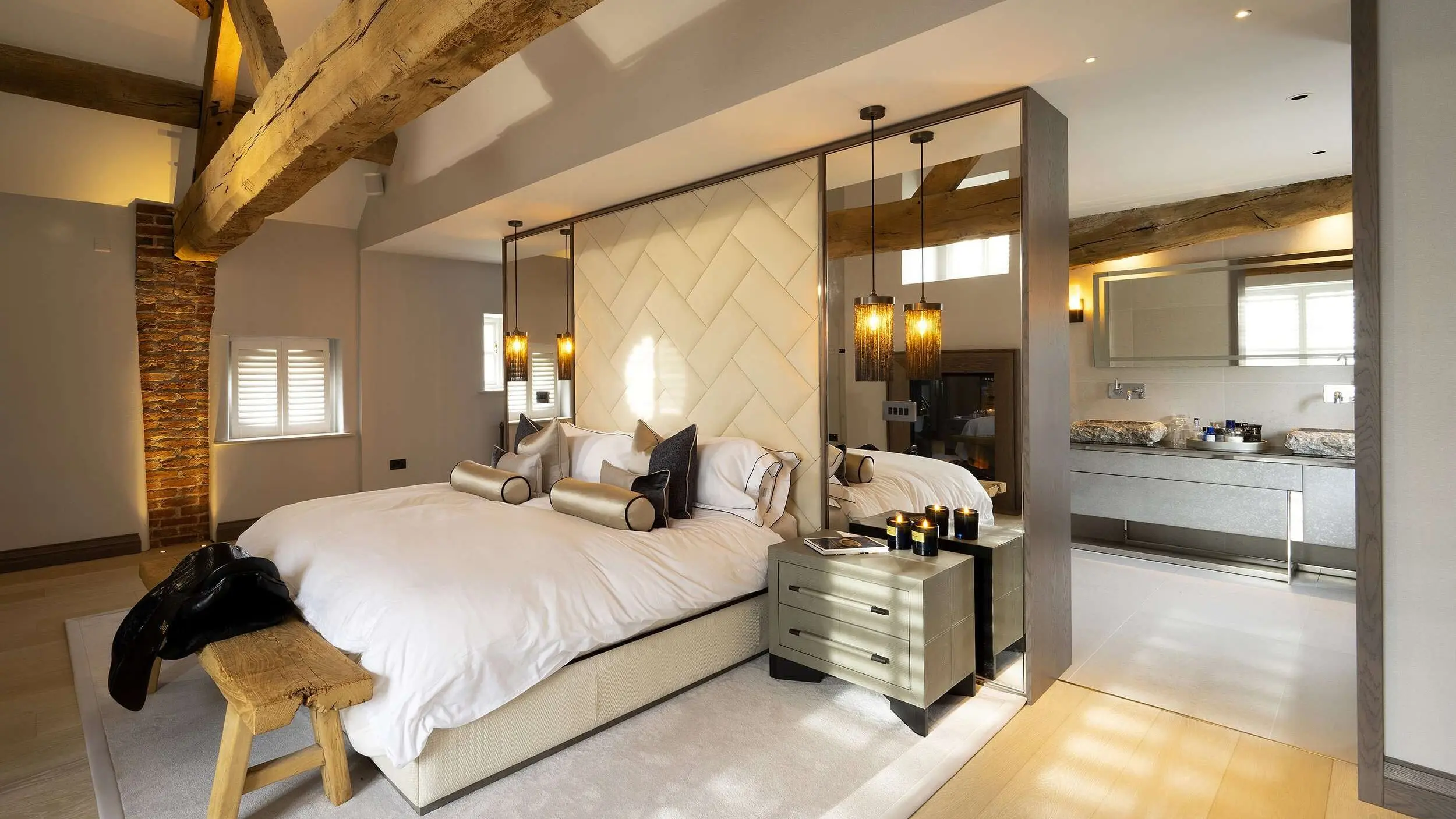
Styling and Finishing Details
Once the layout and materials are established, styling adds the final layer of personality to the bedroom.
Carefully chosen details can elevate the space while maintaining the overall design balance.
Common styling elements include:
- Layered bedding and cushions
- Decorative artwork
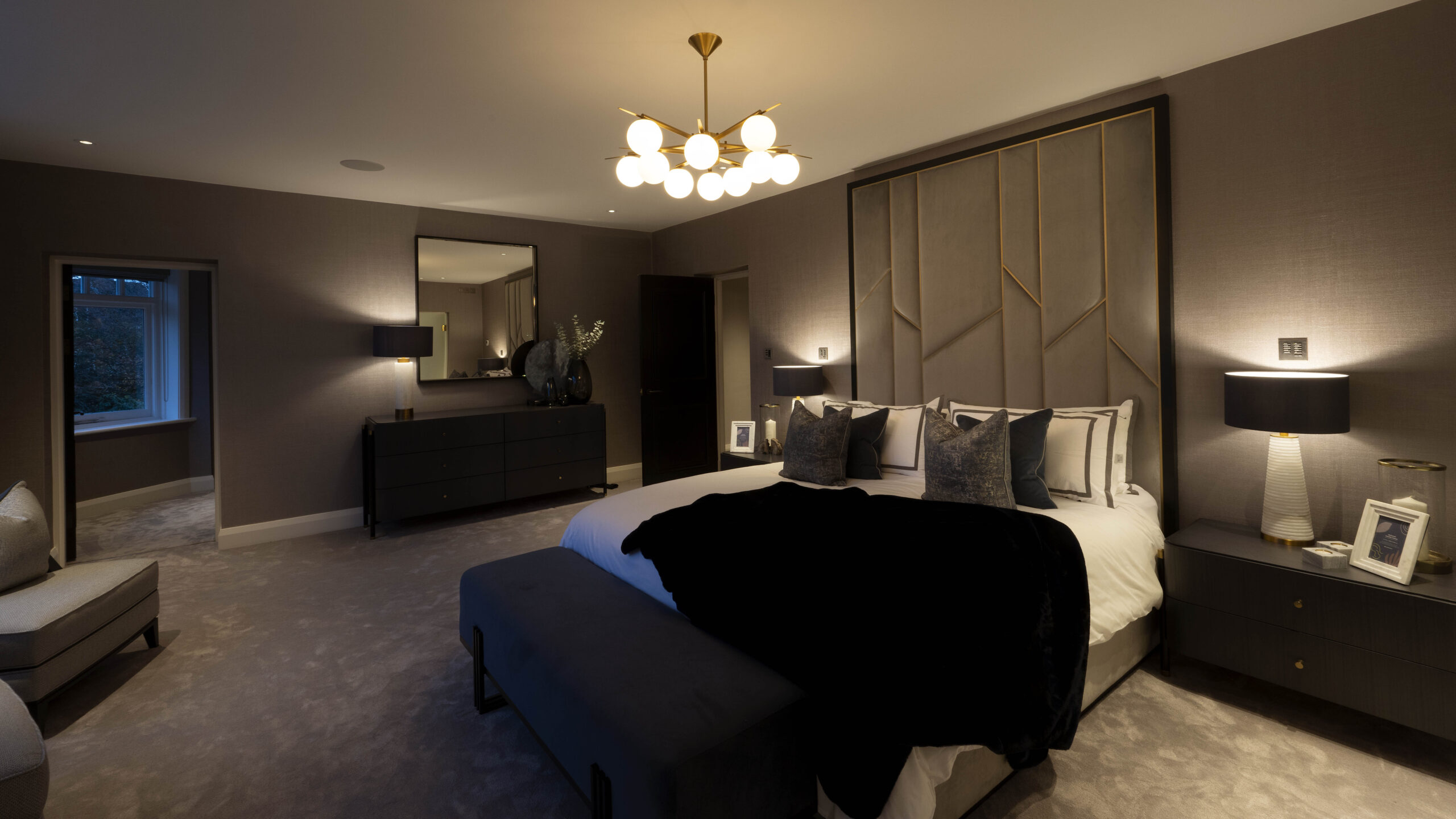
- Accent furniture, such as benches or armchairs
- Sculptural lighting fixtures
- Rugs that add warmth and softness
These finishing touches help create a room that feels both refined and deeply personal.
Designing Bedrooms That Reflect Your Lifestyle
The most successful luxury bedroom designs are those that reflect the lifestyle of the homeowner. Rather than simply following trends, designers consider how the room will be used every day.
Some bedrooms prioritise calm minimalism, while others introduce layered textures and rich materials to create a boutique hotel atmosphere.
At Design by UBER, bedrooms are designed as part of a wider architectural vision for the home. Through careful planning, considered materials and attention to detail, each space becomes both functional and expressive.
Bedrooms as Personal Retreats
A thoughtfully planned bedroom design creates a space that feels calm, comfortable and deeply personal. Through careful layout, layered materials and balanced lighting, the bedroom becomes a place of rest and quiet retreat within the home.
When these elements are considered together, bedroom interior design can transform even the simplest room into a refined and restorative environment.