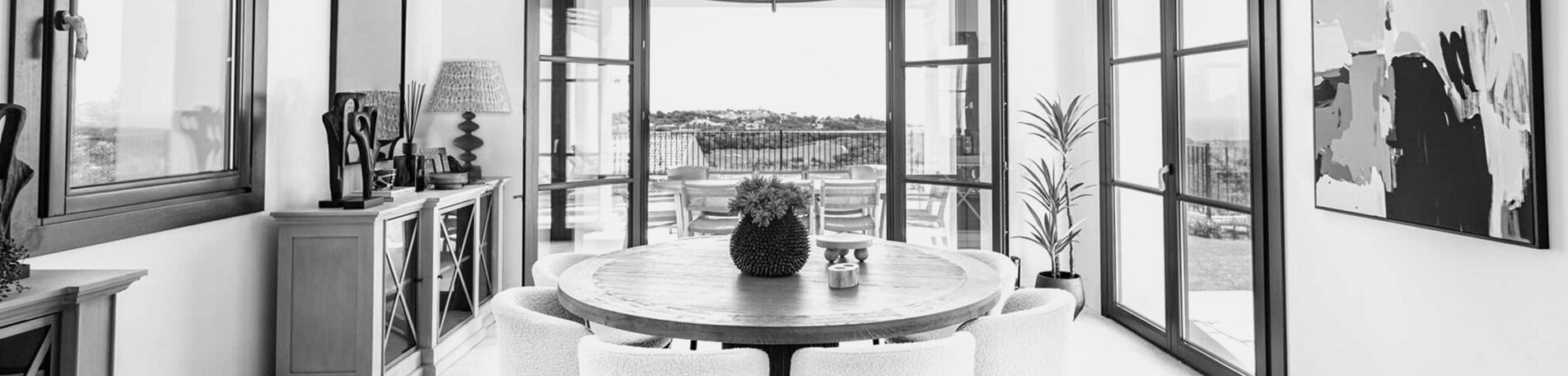
How to Make a House Feel Like Home: A Guide to Layered Interior Design
“All New Has No Soul”: Why the Best Homes Blend Eras
Creating a beautiful space is only the beginning. A home gains depth, character and longevity through how it is lived in. In modern interior design, spaces are often meticulously curated, with flawless finishes and perfectly resolved palettes, yet can still feel impersonal. Timeless design is not achieved through perfection alone, but through layering, where the interplay of old and new introduces warmth, richness and a sense of history. By incorporating bespoke, handcrafted pieces and thoughtfully mixing periods, a space moves beyond aesthetics, becoming personal, lived-in and quietly enduring, evolving naturally over time.
Design a Home with Depth, History and Feeling
We design interiors to feel calm, cohesive and carefully considered, shaping spaces that reflect how our clients want to live, while allowing room for character to unfold over time. A home is never fully realised through design alone; it gathers meaning through the life lived within it, through memories, rituals, personal interests and the quiet imprint of everyday experience. Many people have stepped into a beautifully finished space and sensed, almost instinctively, that something is missing. Not in quality, nor in craftsmanship, but in feeling. Everything appears complete, yet it lacks a certain depth, an intangible presence that cannot be defined, only felt.
The issue is not the interior, nor the level of finish or standard of design. What is missing is something less tangible: a sense of history, the quiet presence of life lived within it. Design is not just about how a space looks on day one, but how it feels on a random Tuesday night, years later, when materials, chosen with intent, reveal their purpose and become part of a story that unfolds over time.
When everything is entirely new, nothing carries a story. Without that sense of narrative, a house can struggle to feel human or inviting. Homes with true depth are rarely created in a single moment; they evolve over time, shaped through a considered interplay of old and new. Character is not found in erasing the past, but in layering it. Allowing different eras and styles to coexist introduces a quiet richness, a subtle record of a life lived.
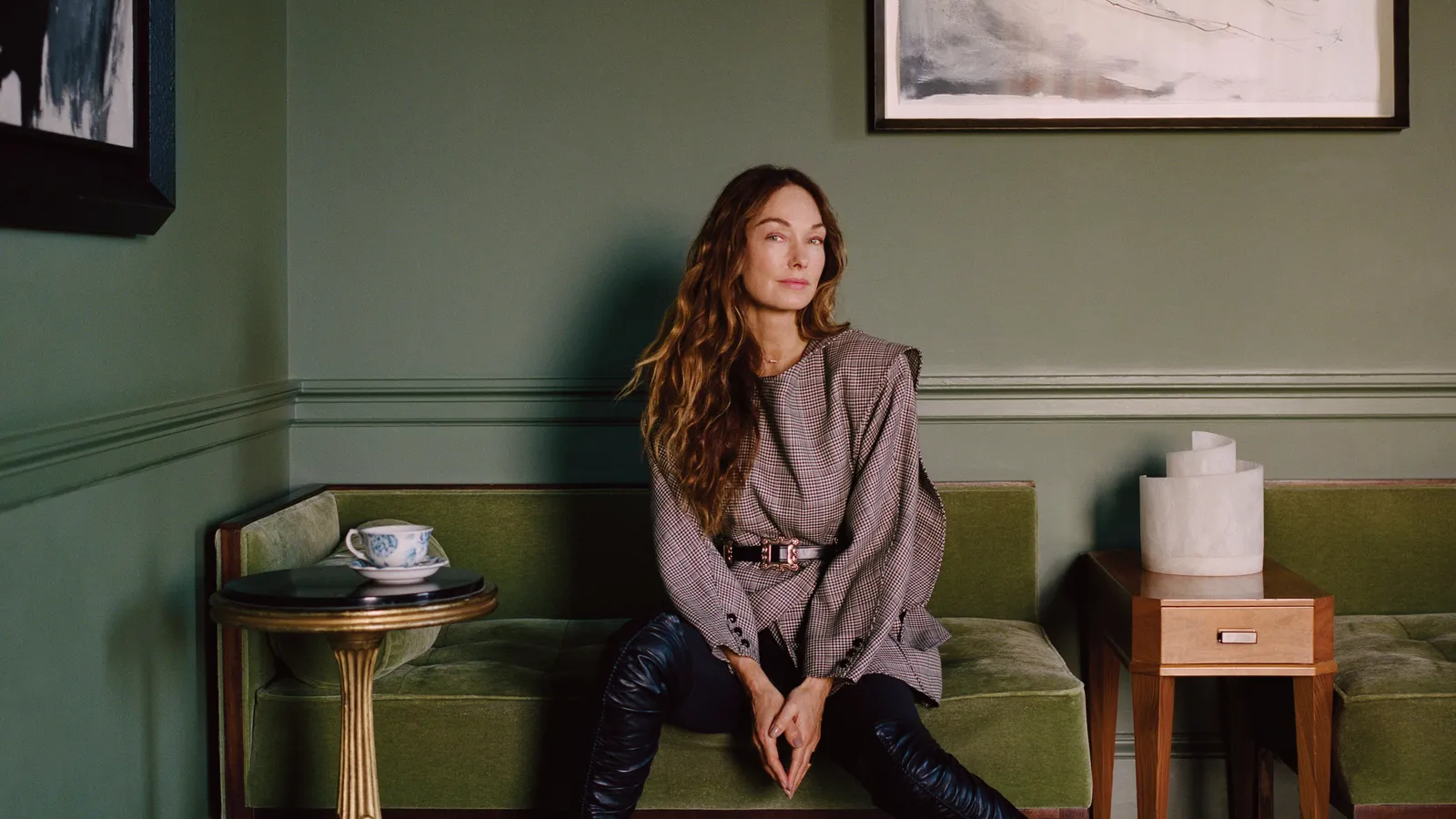
"Having everything new is the quickest way to date a home. Good design is timeless because it is integrated. The soul of a home lives in its layers. Spaces are meant to be felt, not just seen."
Kelly Wearstler, Interior Designer
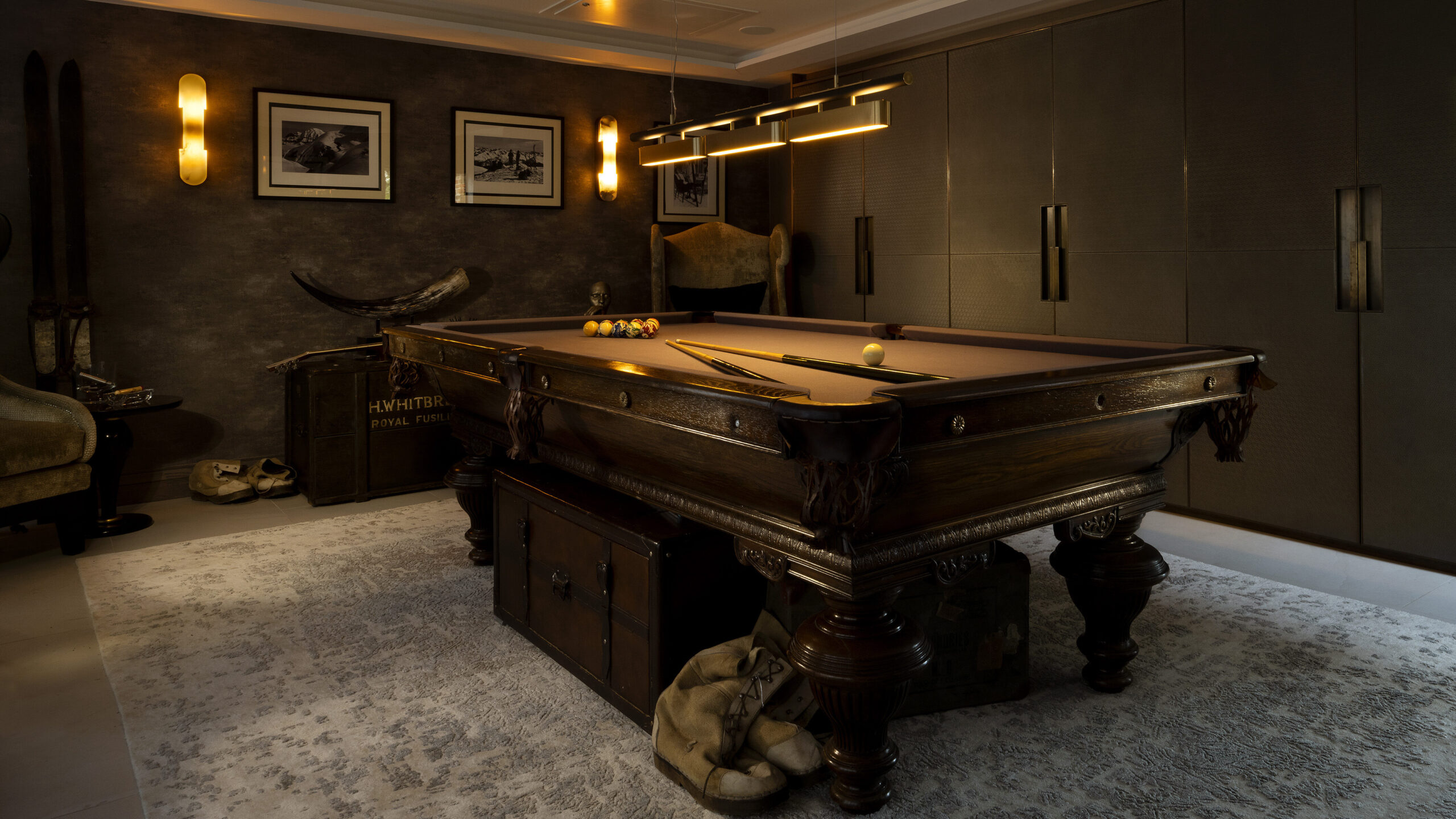
Why Old Things Make a Space Feel Human
There is a reason we are drawn to objects with history. It is deeply ingrained. From the earliest markings etched into stone to the first carved tools, we have always surrounded ourselves with objects that hold meaning. Pieces that have been used, handled, and lived with carry a quiet sense of continuity, offering both grounding and comfort. Within the home, these objects bring something that newness alone cannot. Whether inherited artwork, an architectural fragment from another era, or a carefully acquired piece, they introduce memory, texture and presence. They connect us to something beyond the immediate, allowing a space to feel not only complete, but truly alive.
Project Highlight: Modern Barn Conversion
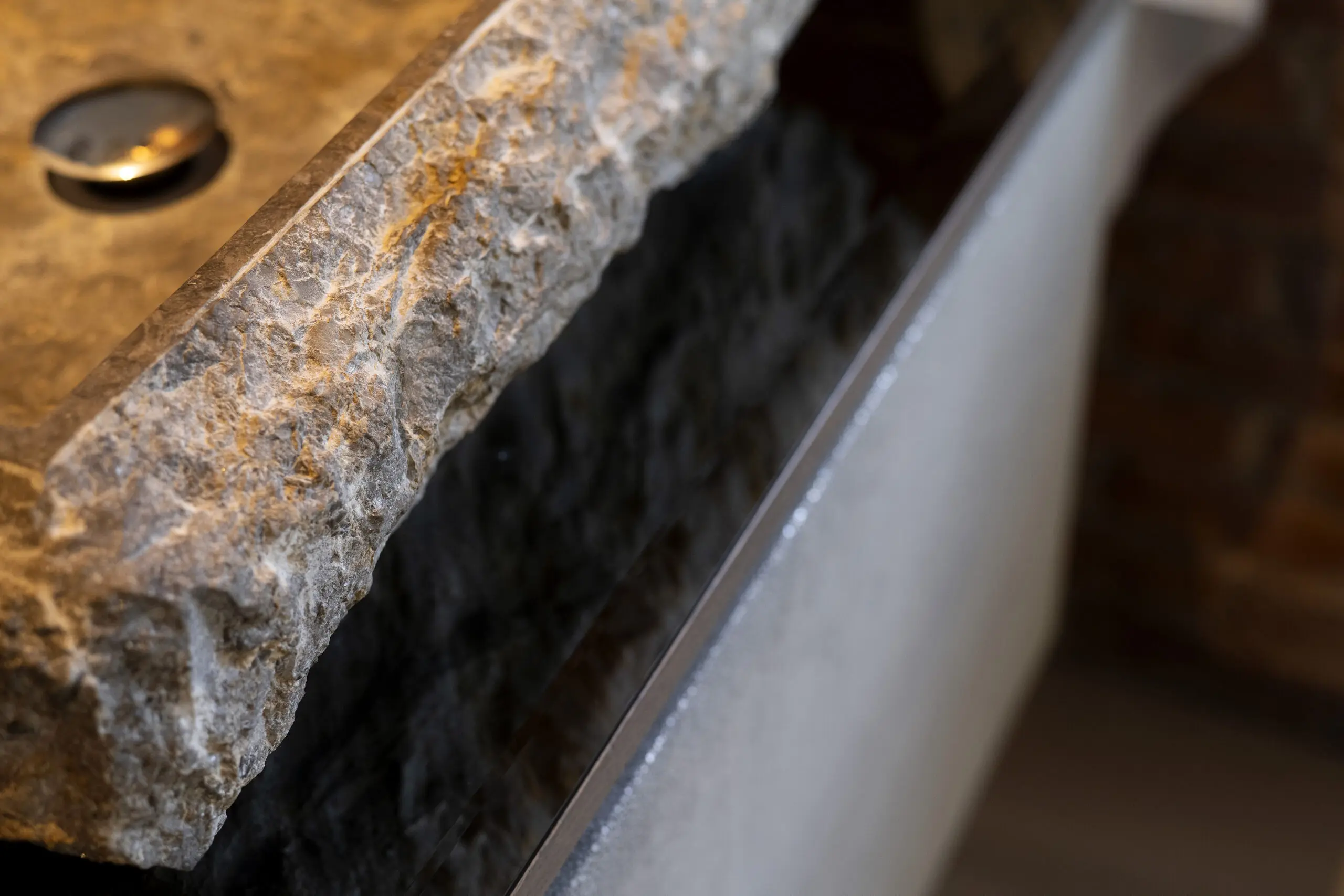
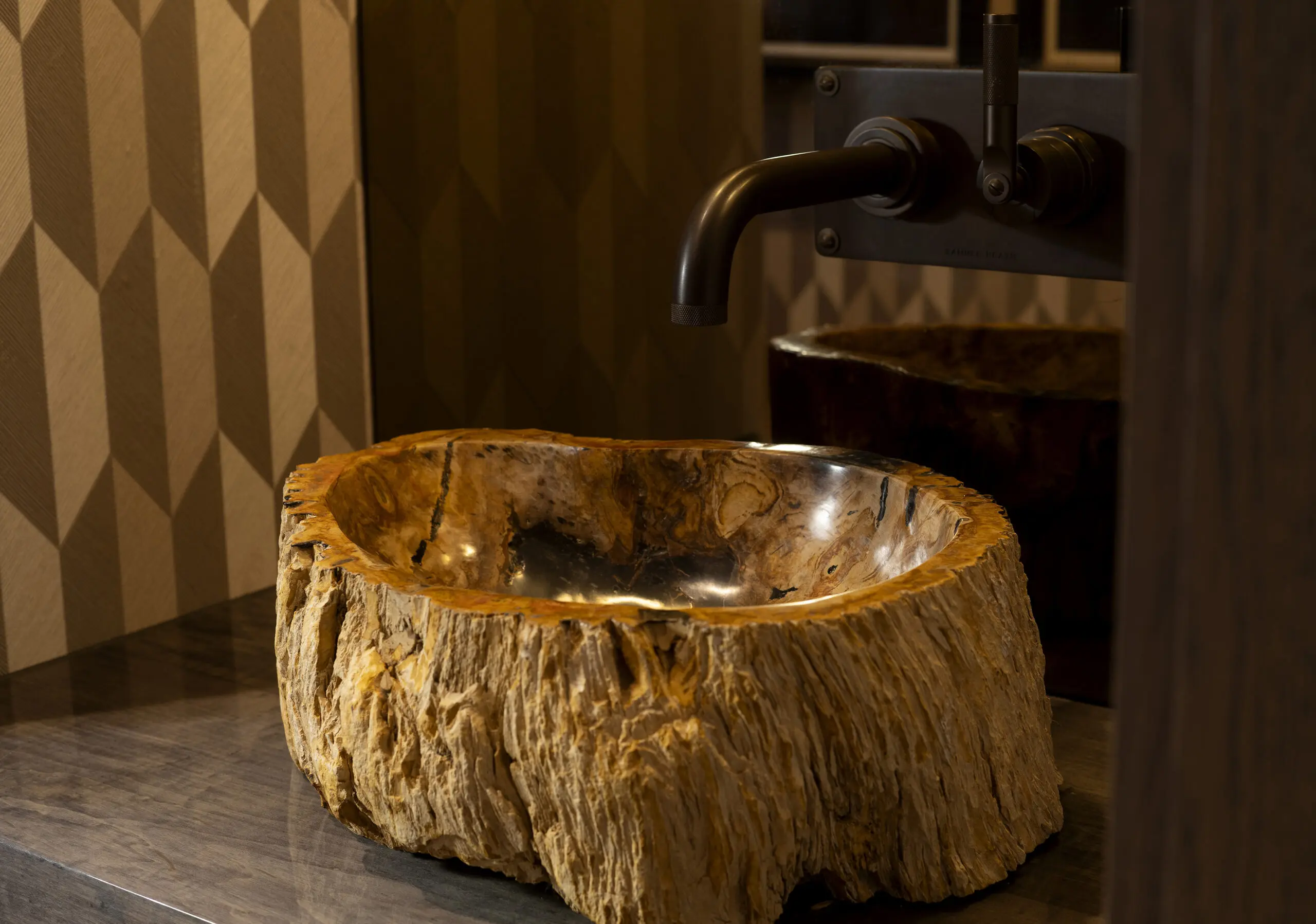
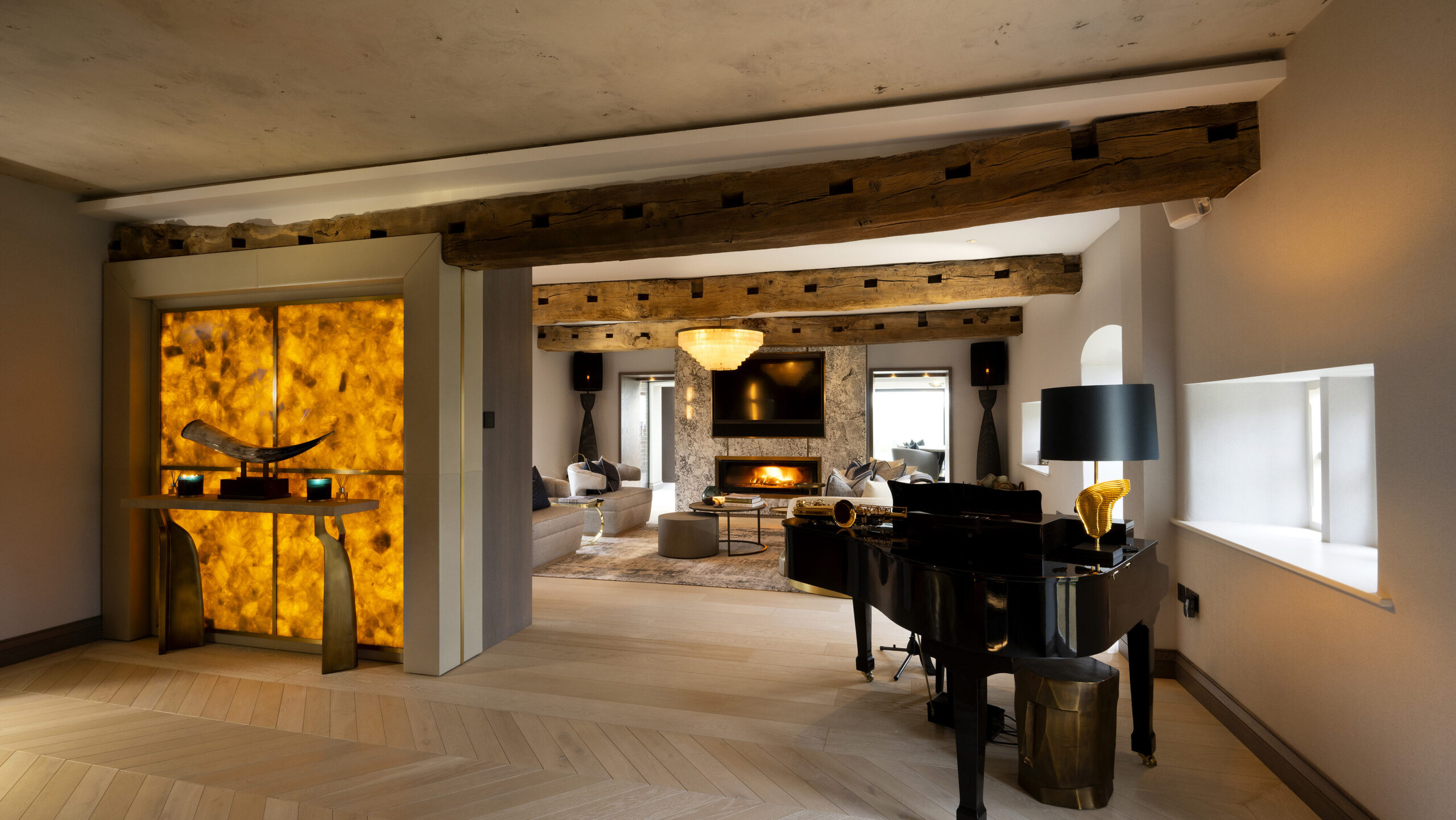
In a previous project, our client sought to modernise a Grade II listed barn while preserving its historic character. We retained the original timber framework as a unifying element, allowing it to run throughout the interior and establish a clear architectural rhythm. Natural stone and petrified wood were introduced to echo the building’s age and materiality, bringing depth and quiet contrast to the scheme. These were layered with the client’s collected pieces, creating a space that feels both refined and authentic, where contemporary living sits comfortably within a historic setting.
Tip: Even a single heirloom piece, artwork, or architectural detail can anchor a room emotionally. Allow it to set the rhythm of the space, rather than forcing the room to adapt to furniture or décor chosen quickly or without meaning.
Mixing Eras Is Where the Magic Happens
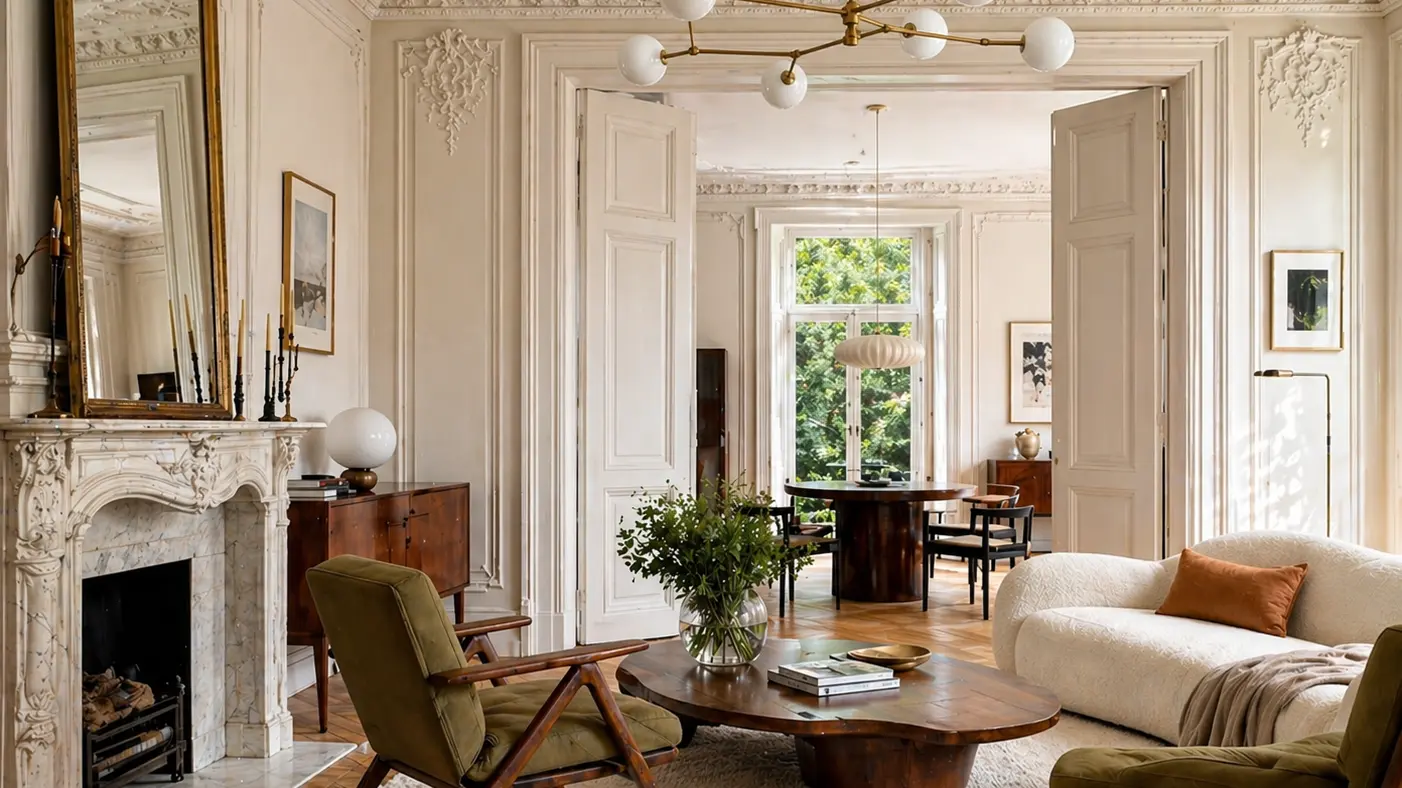
Homes that resonate most are those that blend periods with ease. It is not a question of old versus new, but of balance. An Edwardian floor alongside a mid-century chair, or a contemporary chandelier within a Georgian room, creates a space that feels layered and alive rather than predictable.
The effect lies in how contrasts are resolved, where textures, materials and tones sit in quiet dialogue, complementing rather than competing.
Luxury design is not defined by perfection or trend, but by intention. Through considered layering, a home becomes more than refined; it becomes personal. Not a show home, but a place of permanence and ease. The more a space feels shaped over time, the more it belongs, and the more enduring it becomes.
Project Highlight: The Grand Hall Restoration
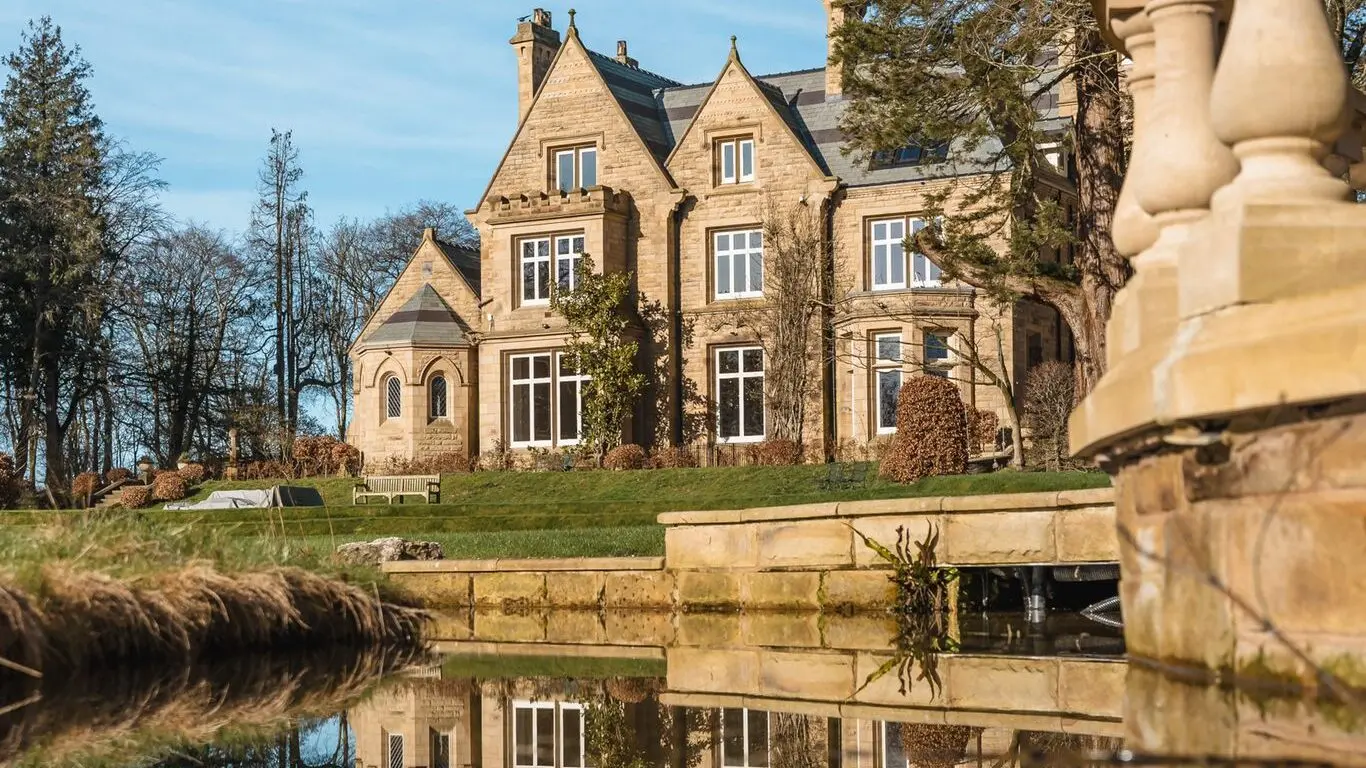
In Lancashire’s Ribble Valley, we reimagined a Grade II listed Victorian Gothic hall into a private, multi-generational home. Rather than impose a singular aesthetic, we worked with the building’s historic fabric, restoring original stone arches and introducing contemporary elements with restraint. A sculptural Officine Gullo kitchen and bespoke joinery sit alongside the restored architecture, creating a layered balance between heritage and modern craftsmanship. The result is a home that feels cohesive, characterful and enduring, where different eras coexist with ease.
Tip: Begin with one piece that carries history or personality and allow it to guide the room. Layer contrasting materials, worn timber with polished stone, soft linen against metal, to build depth. Use colour with restraint, letting neutrals ground the space while accents introduce character.
Why Houses Built with Layering Feel Like Homes
Homes shaped over time, through shifting tastes and personal choices, feel lived-in rather than staged. They carry subtle traces of life. Patina is not simply a surface quality; it reflects depth, authenticity and experience. This instinct for layering is deeply rooted. We have always surrounded ourselves with objects and spaces that hold meaning, creating a sense of continuity between past and present. When eras are combined with intention and personal pieces are thoughtfully integrated, a home begins to reflect those who live within it. Warmth, texture and presence emerge naturally. It is this willingness to move beyond perfection that allows a space to feel complete.
Tip: Resist the urge to make everything match. Homes are richer when decisions are guided by instinct and personality rather than trends or uniformity.
Modernising a Heritage Home Without Losing Its Soul
Modernising a heritage home is a matter of balance. The aim is evolution, not erasure. Original features, cornices, fireplaces, timber floors and staircases, are not simply decorative; they carry the memory and craftsmanship that define the home. The most successful interiors allow old and new to exist in quiet dialogue. Contemporary furniture, lighting and art should enhance the architecture rather than compete with it. A considered contrast, a sculptural piece set against a timeworn surface, introduces rhythm and depth. Layering is essential. The interplay of texture, material and scale brings richness and permanence, allowing a space to feel as though it has evolved naturally over time, rather than been assembled in a single moment.
Modernisation should allow a home to evolve while preserving its essence. When history and contemporary life coexist, the result is a space that feels both refined and deeply human.
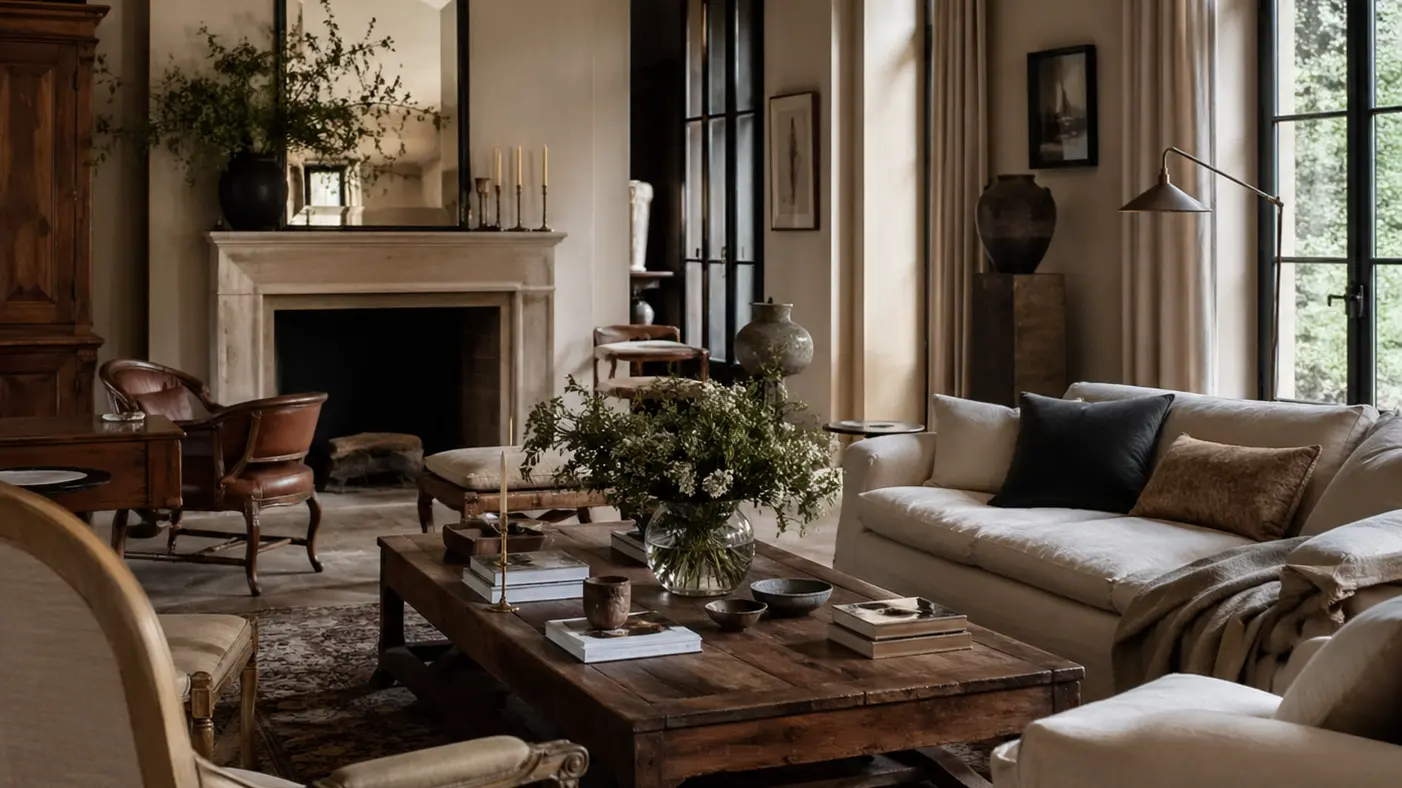
Conclusion: The Quiet Philosophy of living Spaces
The most compelling homes are never truly finished.
They evolve over time, shaped by memory, history and intention. They feel human because they reflect the people who inhabit them, not just the moment they were designed. Design is a framework, not the destination. Materials, furniture and colour matter, but they are only part of the story. The true character of a home lies in its layers, where the personal sits alongside the crafted, and life unfolds within the space itself. We believe homes should be considered, layered with intent, and allowed to evolve naturally. When space is left for life to leave its mark, a house becomes something far more enduring.
Tip: Consider creating future heirlooms, not just selecting what already exists. Invest in bespoke pieces defined by craftsmanship, material quality and longevity. Commissioned joinery, tailored furniture, meaningful Artwork or a carefully designed object can carry both personal meaning and enduring value.
When a piece is made with intention, it becomes more than functional; it holds presence. Over time, it gathers significance through use and association, becoming part of the home’s narrative and something worth passing on.
If this philosophy resonates with you, and you are considering how to create a home that feels deeply personal and enduring, we would be glad to help guide that journey.