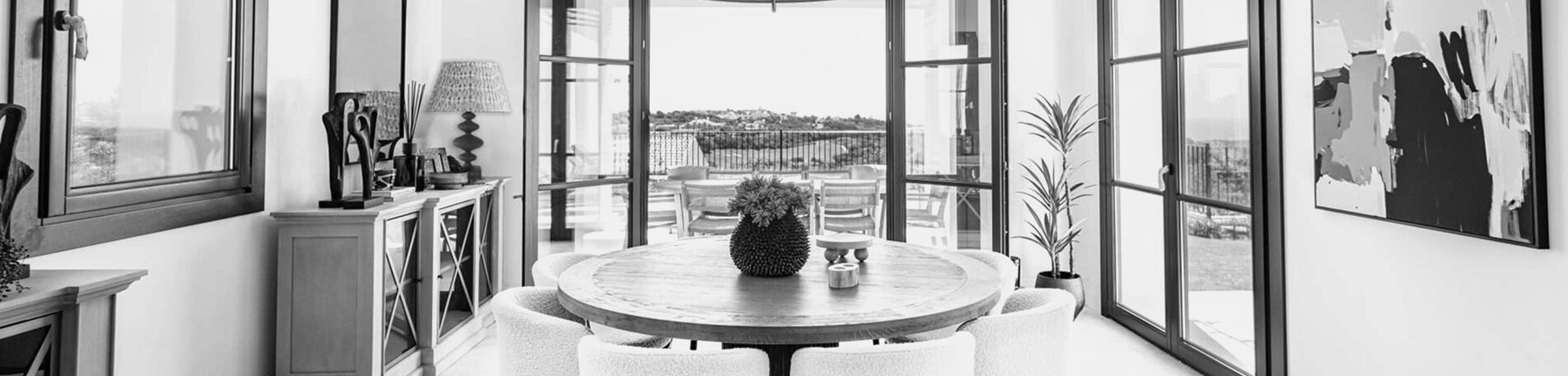
Luxury Living Room Design in Cheshire
A well-designed living room shapes how a home feels to relax in, entertain in and live in every day. From comfortable family sitting rooms to more formal reception spaces, the strongest schemes combine thoughtful space planning, beautifully scaled furniture, layered lighting and materials that give the room depth and character.
At Design by UBER, we design living spaces within the wider context of the home. We look at how the space is used, how it connects with adjoining rooms and how furniture, lighting, colour and bespoke details can work together to create an interior that feels refined, comfortable and personal.
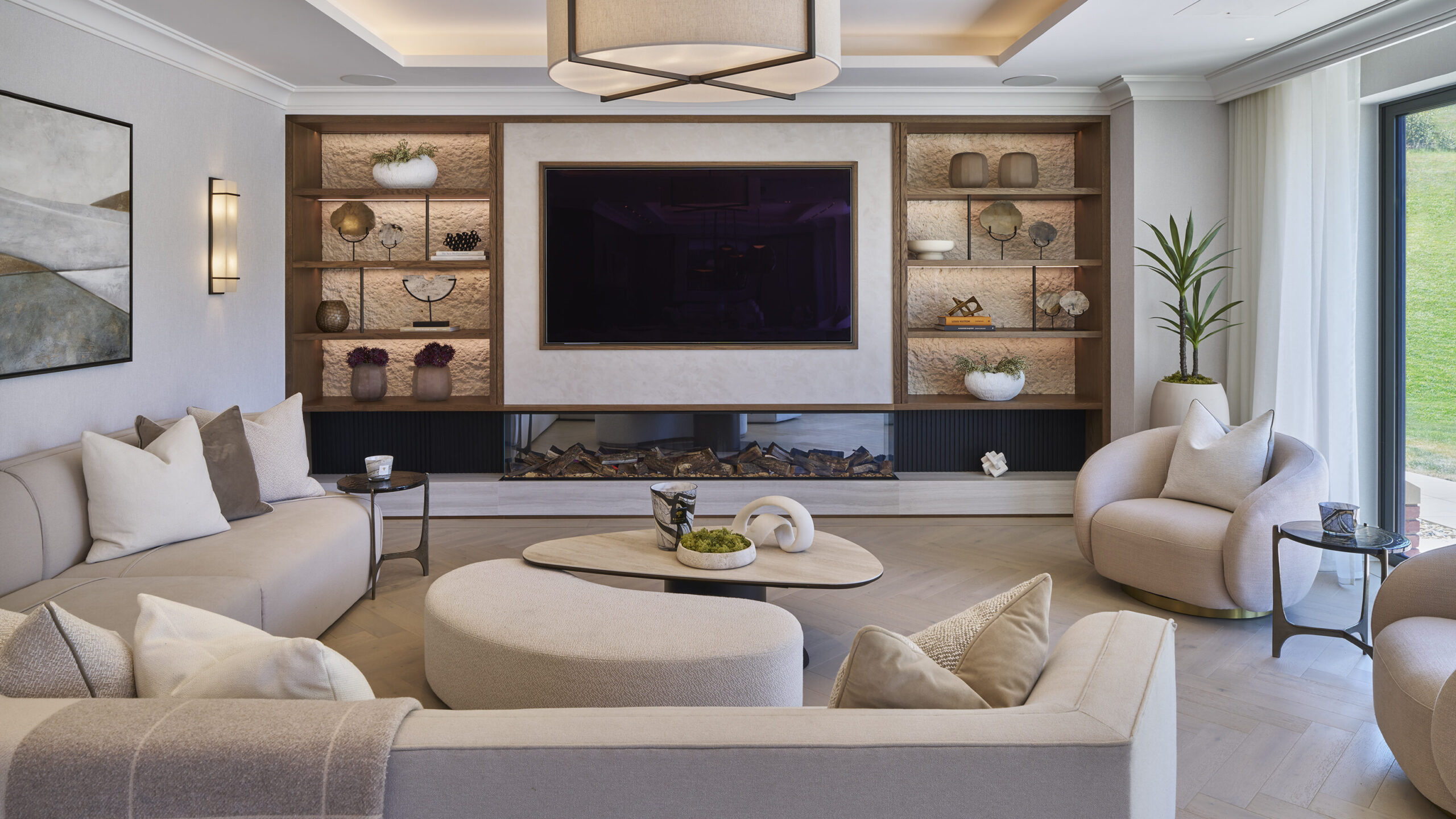
Why Is Living Room Design Important?
Living rooms often need to perform several roles.
They may be used for relaxed evenings, entertaining guests, reading, conversation or simply providing a quieter alternative to a busy kitchen and family area. In larger homes, there may also be several living spaces, each with its own purpose and atmosphere.
A successful design considers:
- how people move through the room;
- where conversation areas should sit;
- the scale and position of furniture;
- natural light and important views;
- fireplaces and other focal points;
- storage and media requirements;
- lighting throughout the day;
- how the room connects with adjoining spaces.
When these elements are considered together, a sitting room becomes more than a collection of furniture. It becomes an integral part of how the wider home works.
What Defines A Luxury Sitting Room?
Luxury living room design is about how well each element works together. Furniture, lighting and materials should feel considered, balanced and appropriate to the space, creating a room that feels refined without becoming overworked.
Layout & Space Planning
The layout forms the foundation of the room.
Furniture needs to support conversation, movement and the intended use of the space. In a formal lounge, this might mean arranging seating around a fireplace or artwork rather than a television. In a larger sitting room, several smaller furniture groupings can help create a more intimate atmosphere.
Where the room forms part of a larger open-plan or connected scheme, we also consider how it relates to neighbouring spaces.
Furniture & Proportion
The right furniture can give a room a sense of presence without overwhelming it.
Sofas, armchairs, occasional tables and consoles should respond to the scale of the room and provide enough visual weight to feel balanced within the space. Generous spaces can accommodate more sculptural pieces, while carefully positioned furniture can help make an expansive room feel warmer and more inviting.
Through UBER Interiors, we can source furniture from an extensive portfolio of luxury brands, as well as explore bespoke and made-to-order options where required.
Lighting & Atmosphere
Lighting has a significant influence on the way a living room feels.
Rather than relying on a single source, layered schemes can combine decorative pendants, wall lights, floor lamps, table lamps and more discreet architectural lighting.
This allows the atmosphere to change throughout the day, from brighter practical lighting to softer illumination for relaxed evenings or entertaining.
Sitting Rooms & Formal Lounges
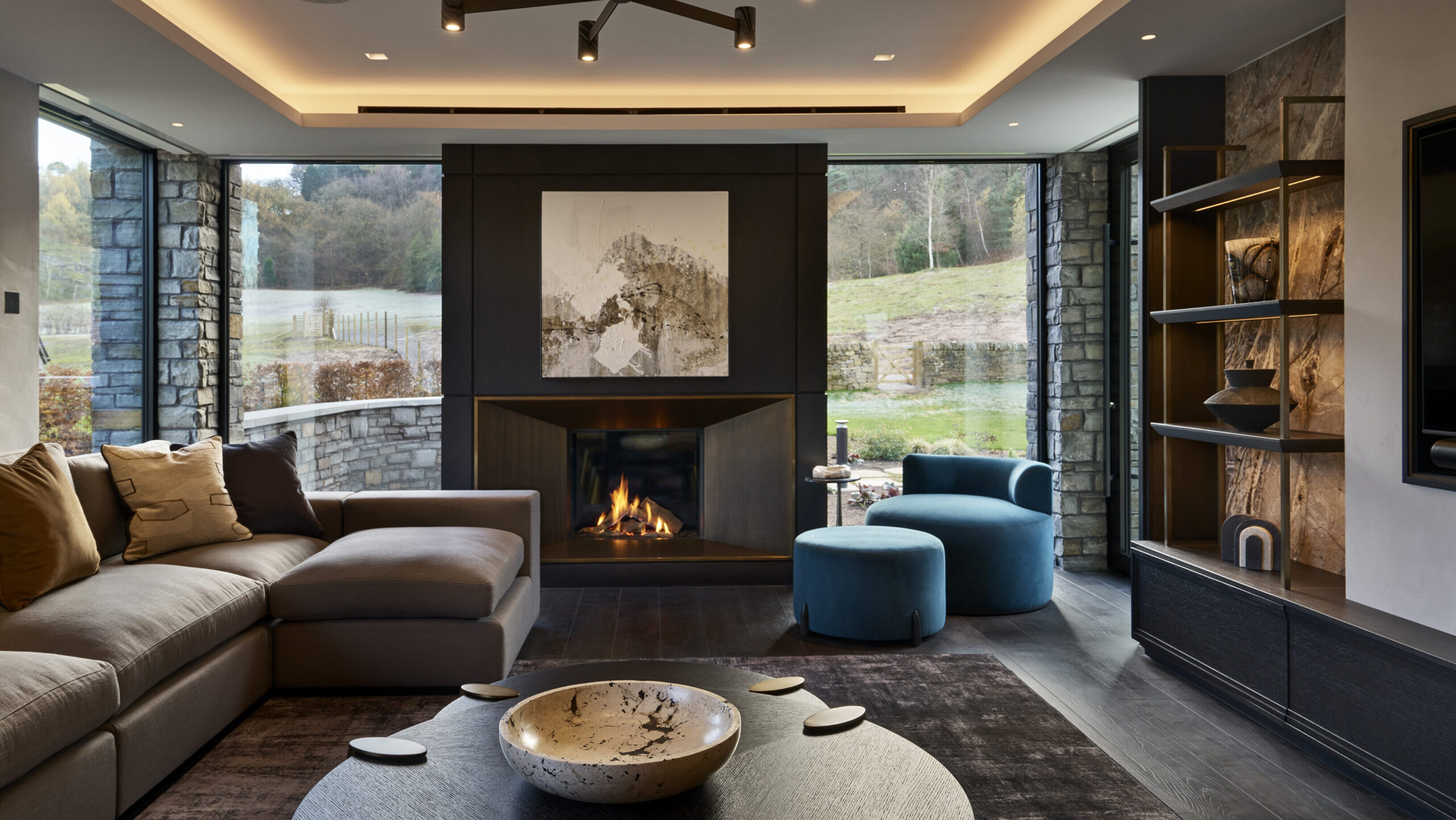
Different living spaces can serve different purposes within the same home. A family sitting room may prioritise comfort and everyday use, while a formal lounge can feel more composed, with statement furniture, richer materials and a layout suited to conversation and entertaining.
Across multiple connected spaces, whole-floor schemes and full-home renovations, we create continuity through colour, materials, artwork and furniture while allowing each room to retain its own character.
How Do Materials Shape A Living Room?
Materials play a defining role in the character and tactile quality of a living space.
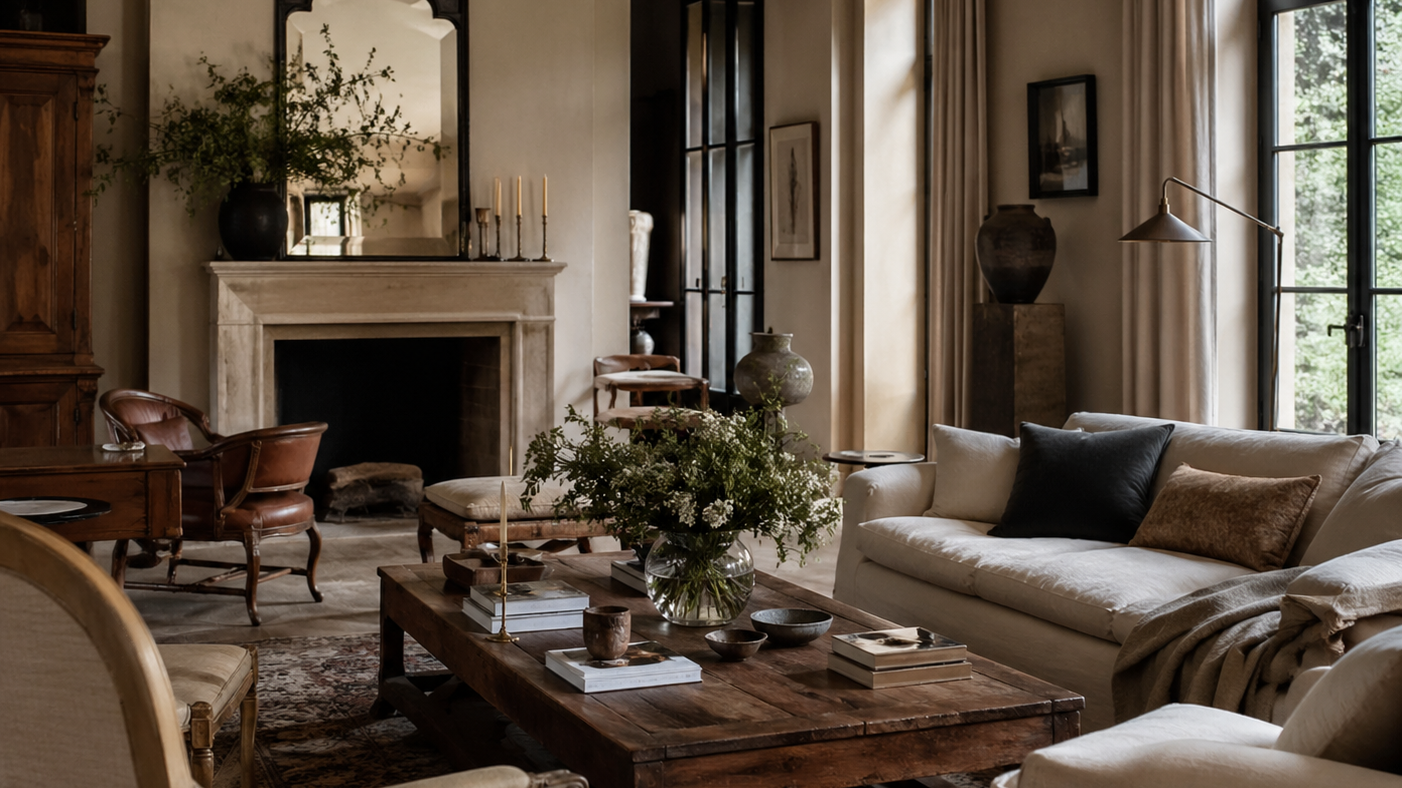
Timber can introduce warmth, stone can introduce a strong focal point, while metal, glass and more reflective finishes can add contrast. Upholstery, curtains, cushions and rugs then soften the room and provide another layer of depth.
A luxury lounge might combine:
- natural timber or veneers;
- marble or other natural stone;
- textured wall finishes;
- velvet, linen or woven upholstery;
- metal detailing;
- layered rugs and soft furnishings;
- bespoke joinery or cabinetry.
The goal is not to introduce as many materials as possible, but to create enough variation for the interior to feel layered and interesting.
Colour is considered in the same way. The palette should respond to natural light, the property and adjoining spaces rather than simply following a trend.
Creating A Strong Focal Point
Most successful sitting rooms have a clear visual anchor.
In a period property, this may naturally be an original fireplace, decorative panelling or a significant window. Contemporary spaces may use artwork, bespoke joinery, a sculptural furniture piece or a carefully designed media wall.
The focal point helps organise the room, but it should not dominate every other element.
Furniture placement, lighting and accessories can reinforce it subtly while allowing the interior to retain balance and interest from different viewpoints.
Where bespoke joinery is introduced, our technical design capability allows cabinetry, shelving and associated lighting to be considered as part of the wider room rather than added later.
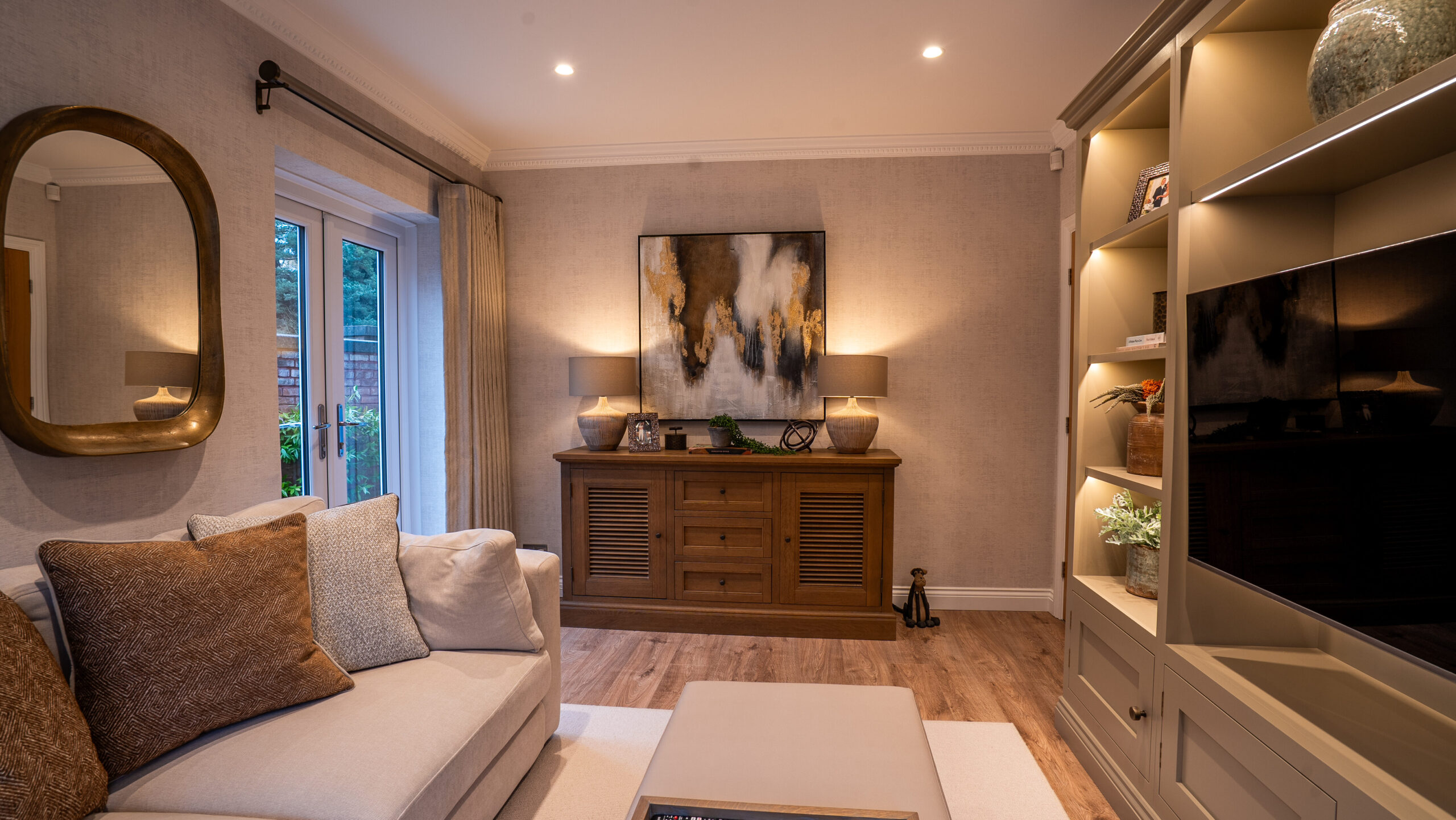
Designing Living Rooms Around The Home & Your Lifestyle
The strongest living rooms respond to both the character of the property and the way they will be used.
In period homes, original features such as fireplaces, cornicing, panelling and tall windows can provide a natural starting point. In contemporary homes, large areas of glazing and open-plan layouts may require more careful zoning, furniture planning and texture to create warmth and definition.
We also consider how you live. A room designed for regular entertaining will need a different layout from a quieter family sitting room or formal reception space.
For larger residential projects, the living room is considered alongside adjoining dining, entrance and entertaining spaces so the wider interior feels connected rather than independently designed.
Explore our creative space planning and wider interior design services to see how these decisions can form part of a broader residential scheme.
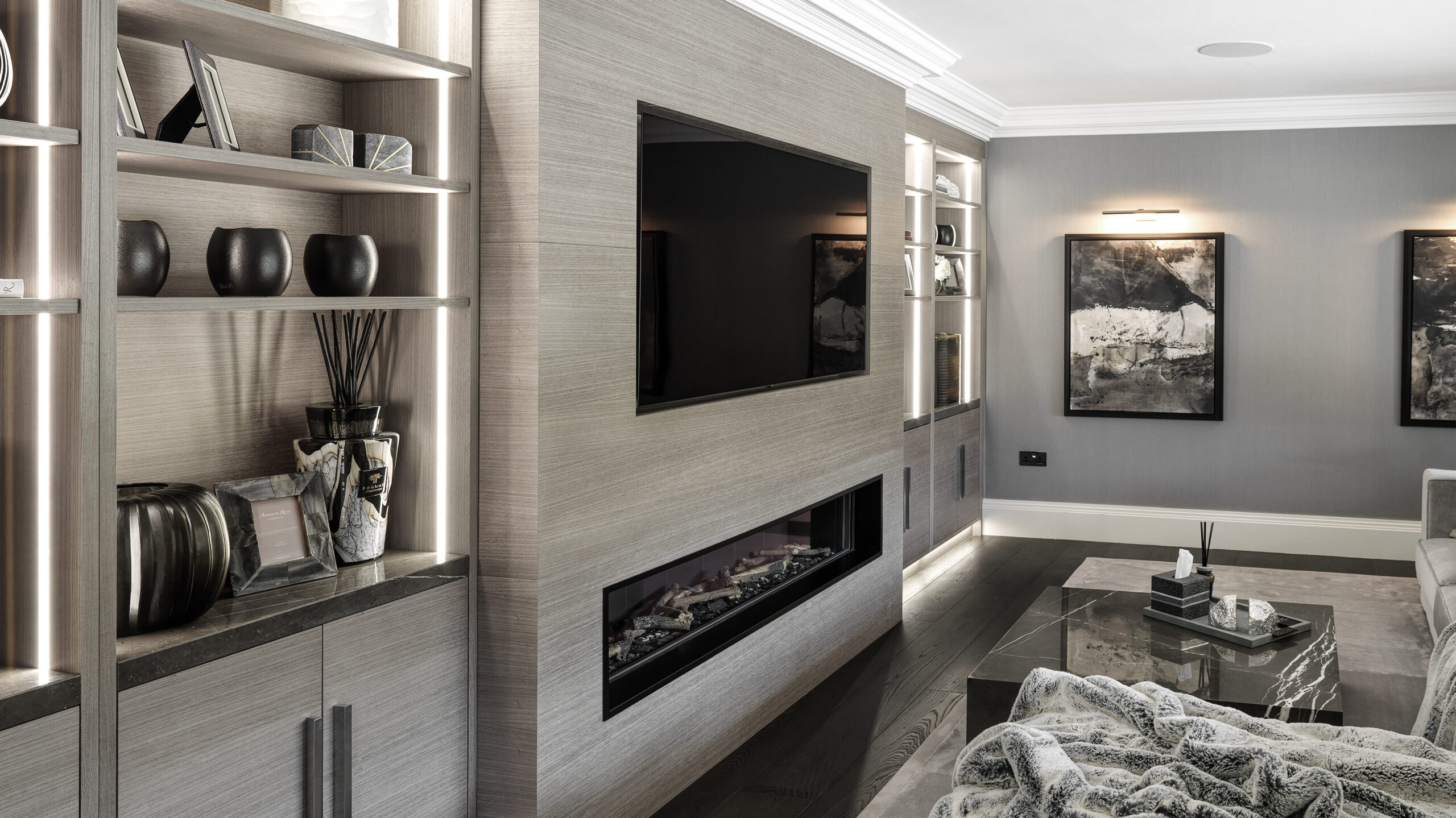
Designing Living Rooms Around The Home & Your Lifestyle
The strongest living rooms respond to both the character of the property and the way they will be used.
In period homes, original features such as fireplaces, cornicing, panelling and tall windows can provide a natural starting point. In contemporary homes, large areas of glazing and open-plan layouts may require more careful zoning, furniture planning and texture to create warmth and definition.
We also consider how you live. A room designed for regular entertaining will need a different layout from a quieter family sitting room or formal reception space.
For larger residential projects, the living room is considered alongside adjoining dining, entrance and entertaining spaces so the wider interior feels connected rather than independently designed.
Explore our creative space planning and wider interior design services to see how these decisions can form part of a broader residential scheme.
Furniture, Artwork & Finishing Details
Once the layout and major materials have been established, furniture and styling bring the final character to the room.
Artwork, sculpture, occasional pieces, cushions, rugs and decorative objects can introduce personality while reinforcing the wider palette.
The strongest styling rarely means filling every available surface. Leaving space around carefully selected pieces can give both the furniture and artwork greater impact.
Through Design by UBER and UBER Interiors, we can coordinate furniture, lighting, bespoke pieces, procurement, delivery, installation and final styling as part of a wider project.
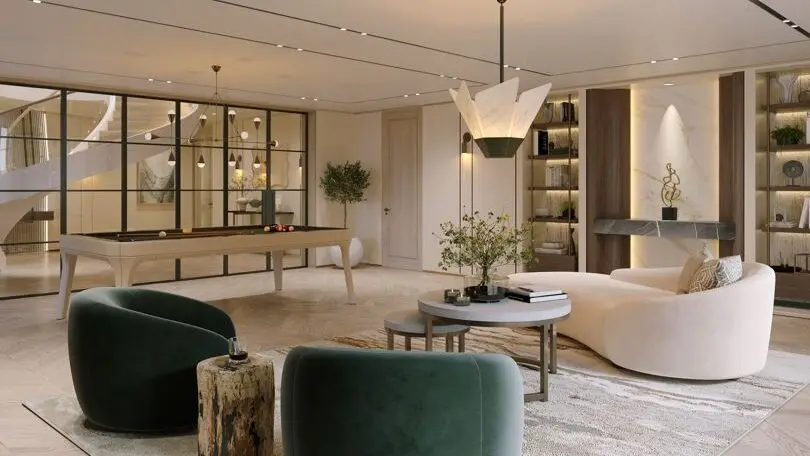
Living Room Design In Cheshire
Design by UBER is based in Ollerton, Knutsford, and works on substantial residential projects throughout Cheshire, including Alderley Edge, Prestbury, Wilmslow, Hale, Bowdon, Altrincham, Mobberley, Mottram St Andrew and Bramhall.
Our experience includes period residences, contemporary homes, major renovations and full interior schemes where sitting rooms and formal lounges need to work as part of a cohesive property.
For further room inspiration, explore our existing journals on bedroom design and outdoor living, or browse more ideas in our journal.
Sitting Rooms Designed To Be Lived In