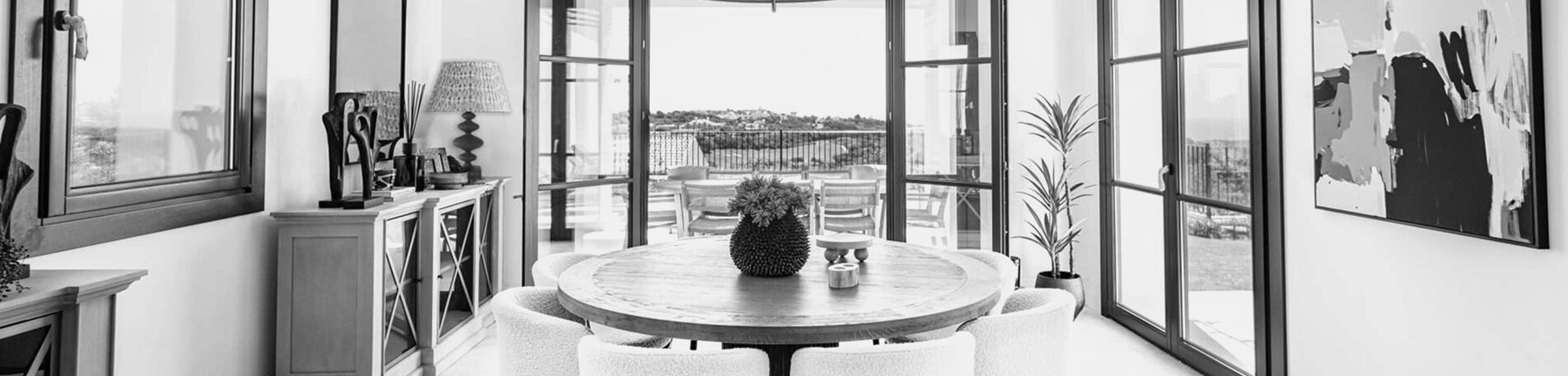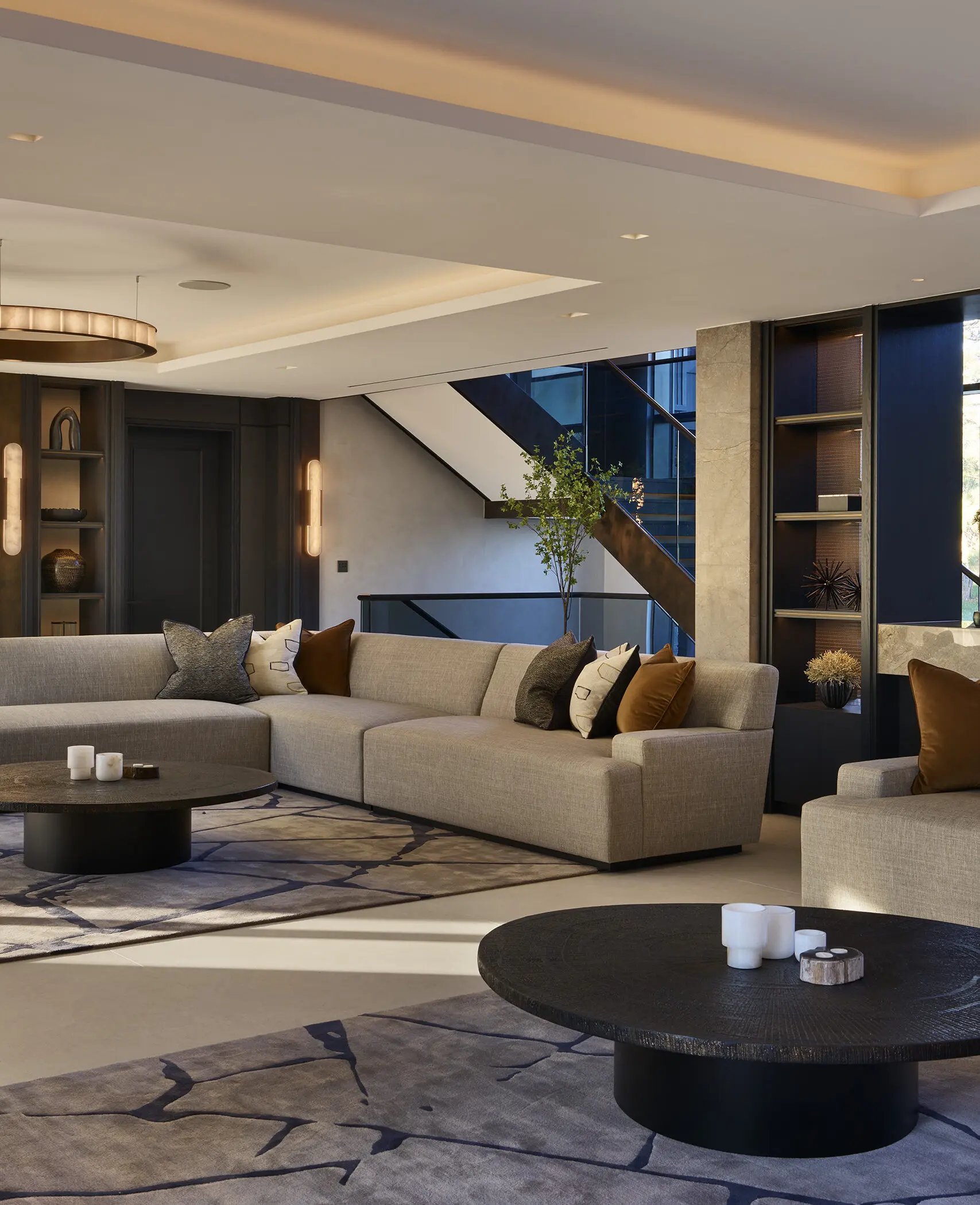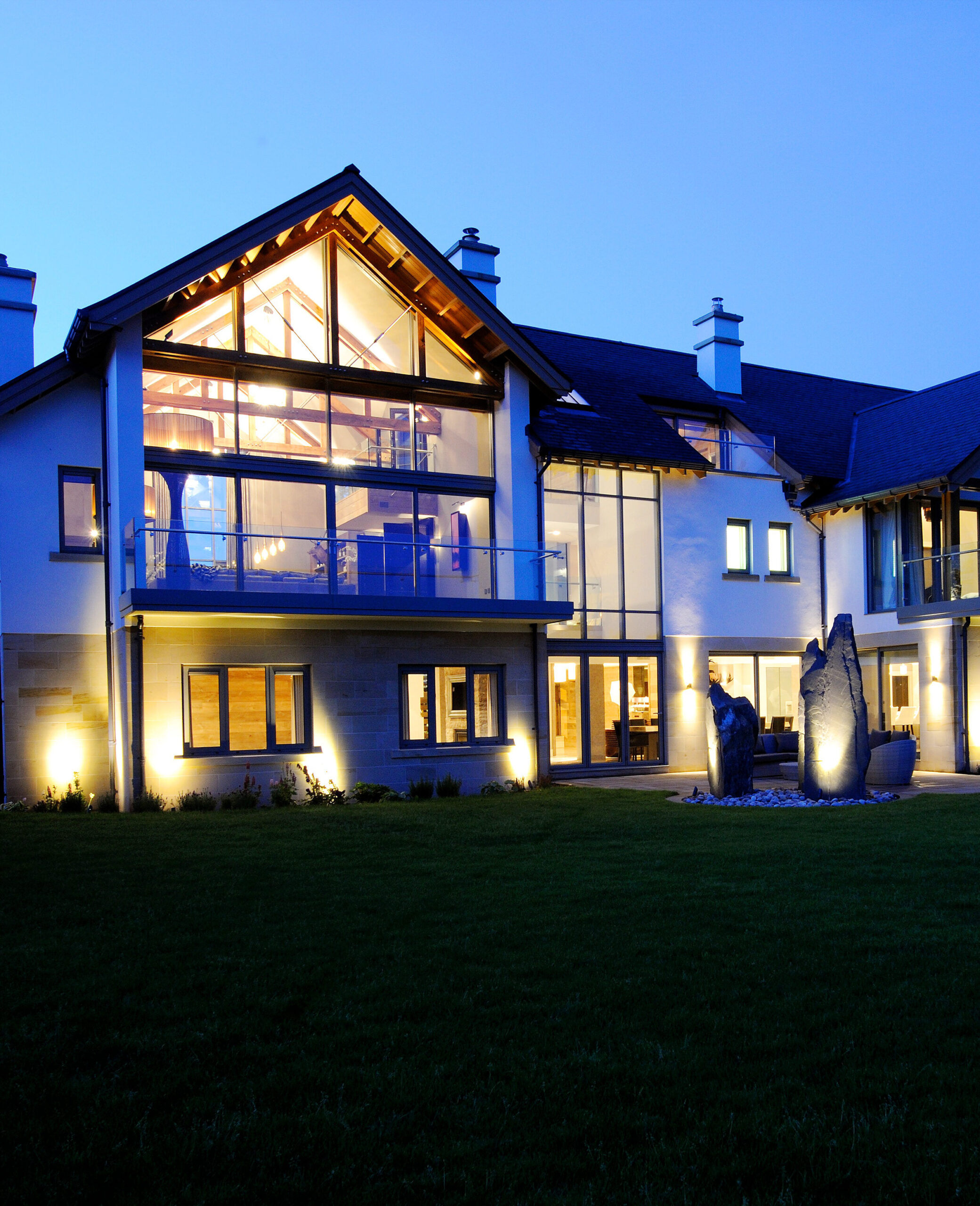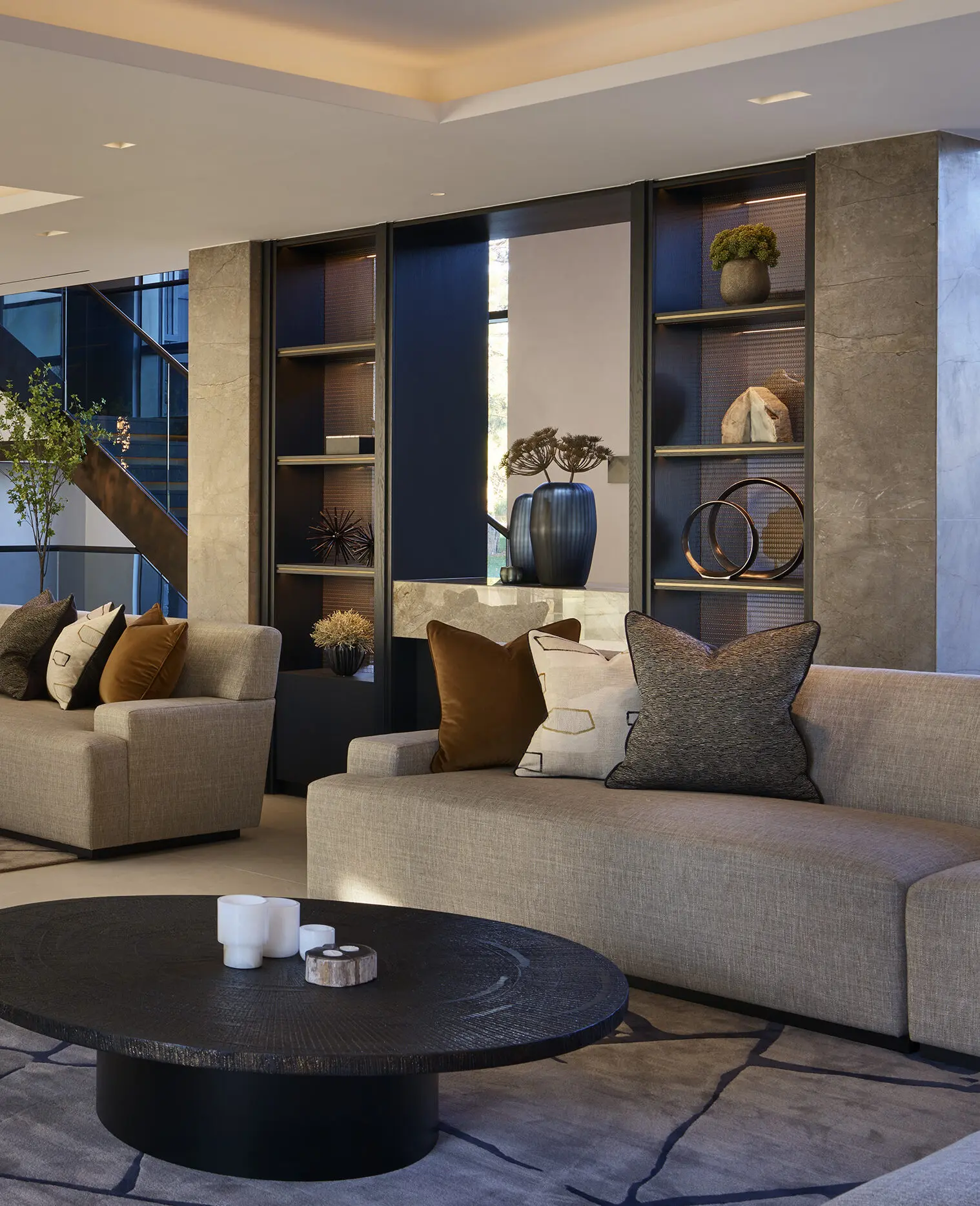
Five-Star Luxury, Family Reality
Design A Home Around Real Life
Luxury family homes must strike a difficult balance. They need to feel elevated, refined and beautifully resolved, while still responding to the realities of everyday life: children, entertaining, work, storage, downtime, and the constant movement of family routines. At Design by UBER, that balancing act is essential when it comes to designing projects.
Designing for different ways of living
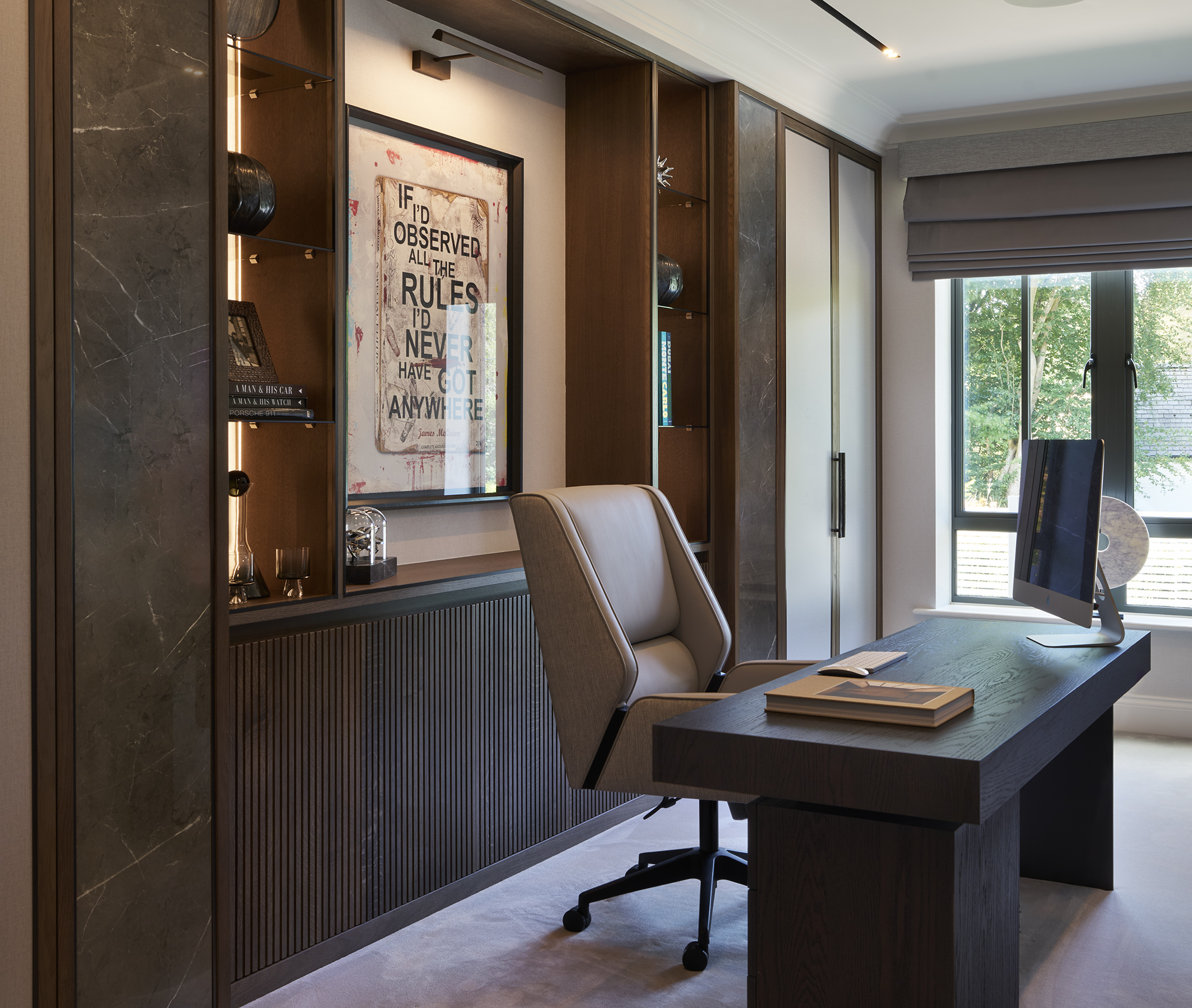
No two clients live in quite the same way… Some place greater emphasis on dedicated workspaces and private offices. Others want spaces devoted to fitness, wellness and leisure. Some prioritise integrated technology and smart-home features. Some are designing around a growing family, while others want a home centred around entertaining.
More often than not, it is a combination of several priorities. A successful family home should not ask every room to perform the same function.
The real skill lies in understanding the client and recognising the different rhythms of their day-to-day life. The strongest interiors respond to those rhythms, creating spaces for coming together alongside spaces for privacy, work, play and downtime.
At Bloomfield Residence…
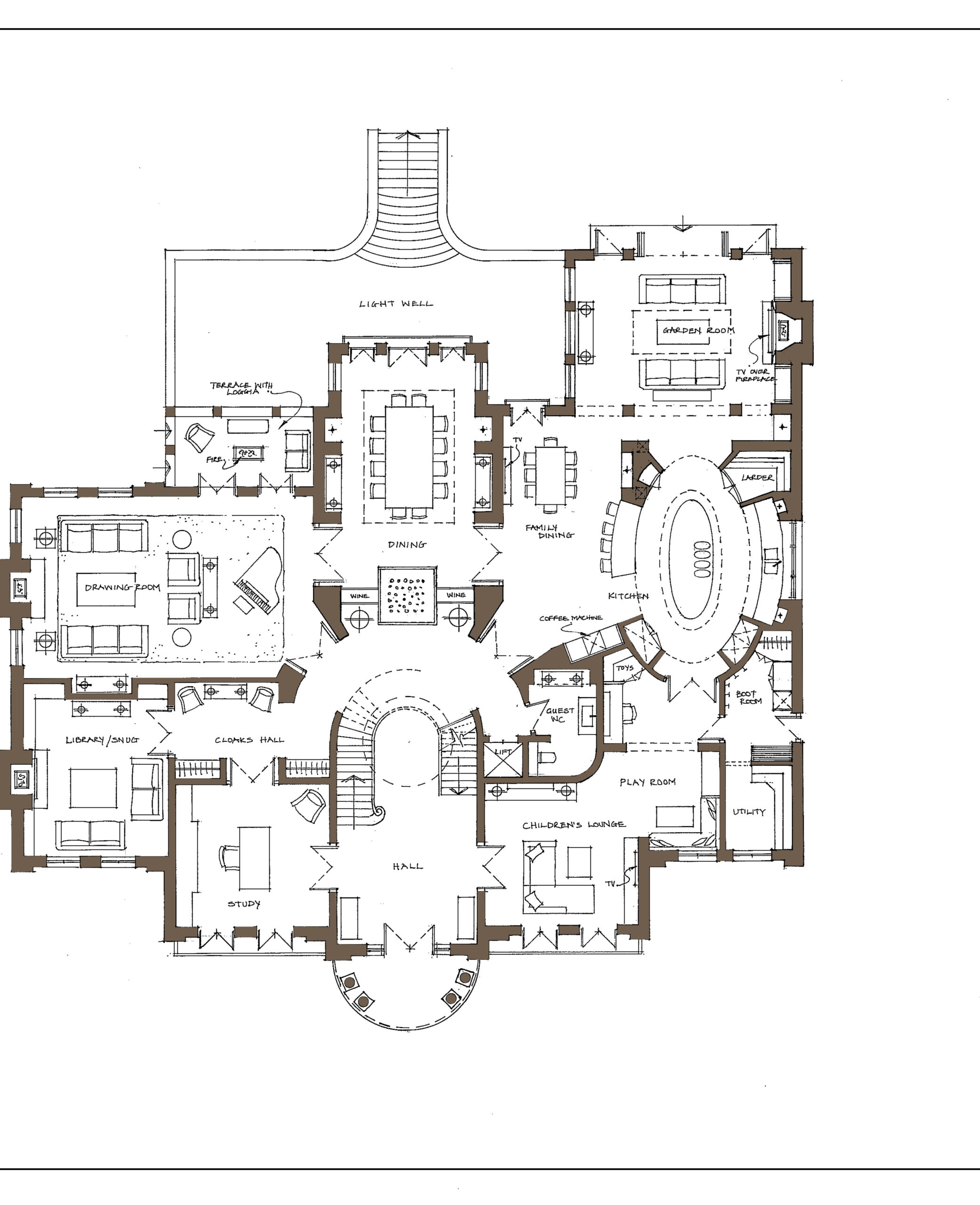
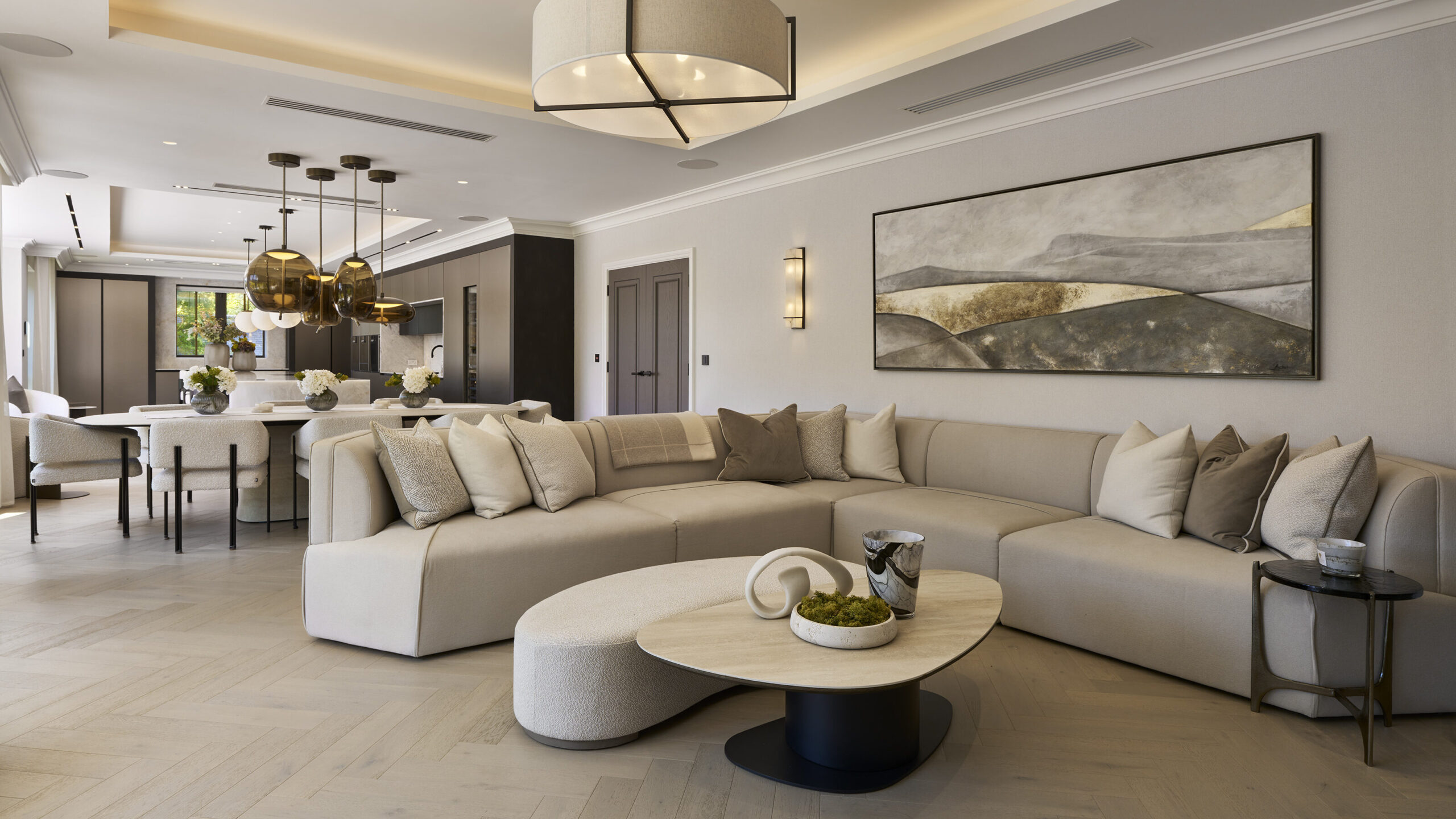
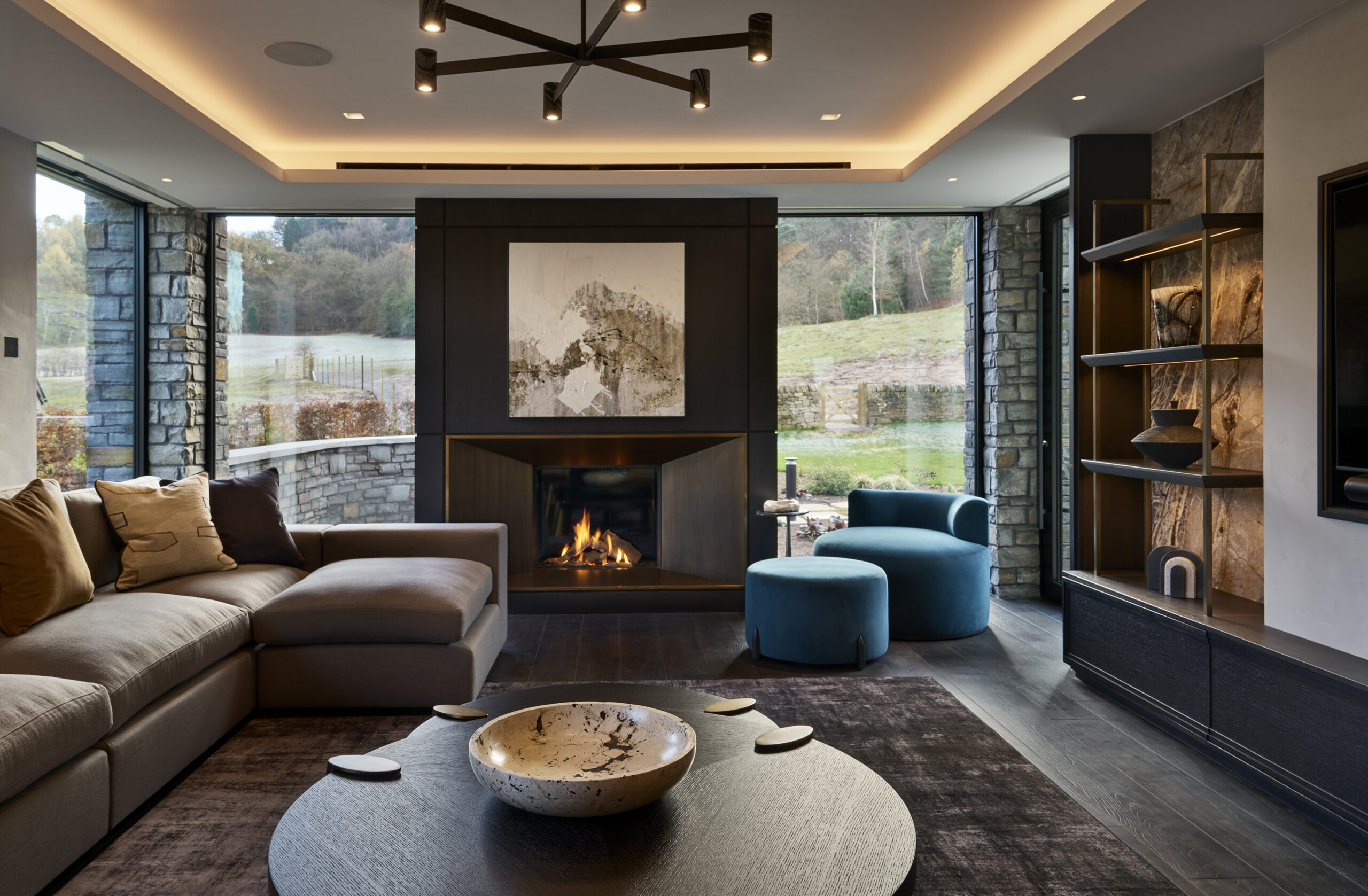
The 5,000 sq ft family home was planned with clear shifts in mood and purpose. Formal entertaining spaces sit alongside relaxed family rooms, playful children’s areas and quieter private spaces, allowing the house to respond naturally to different moments throughout the day.
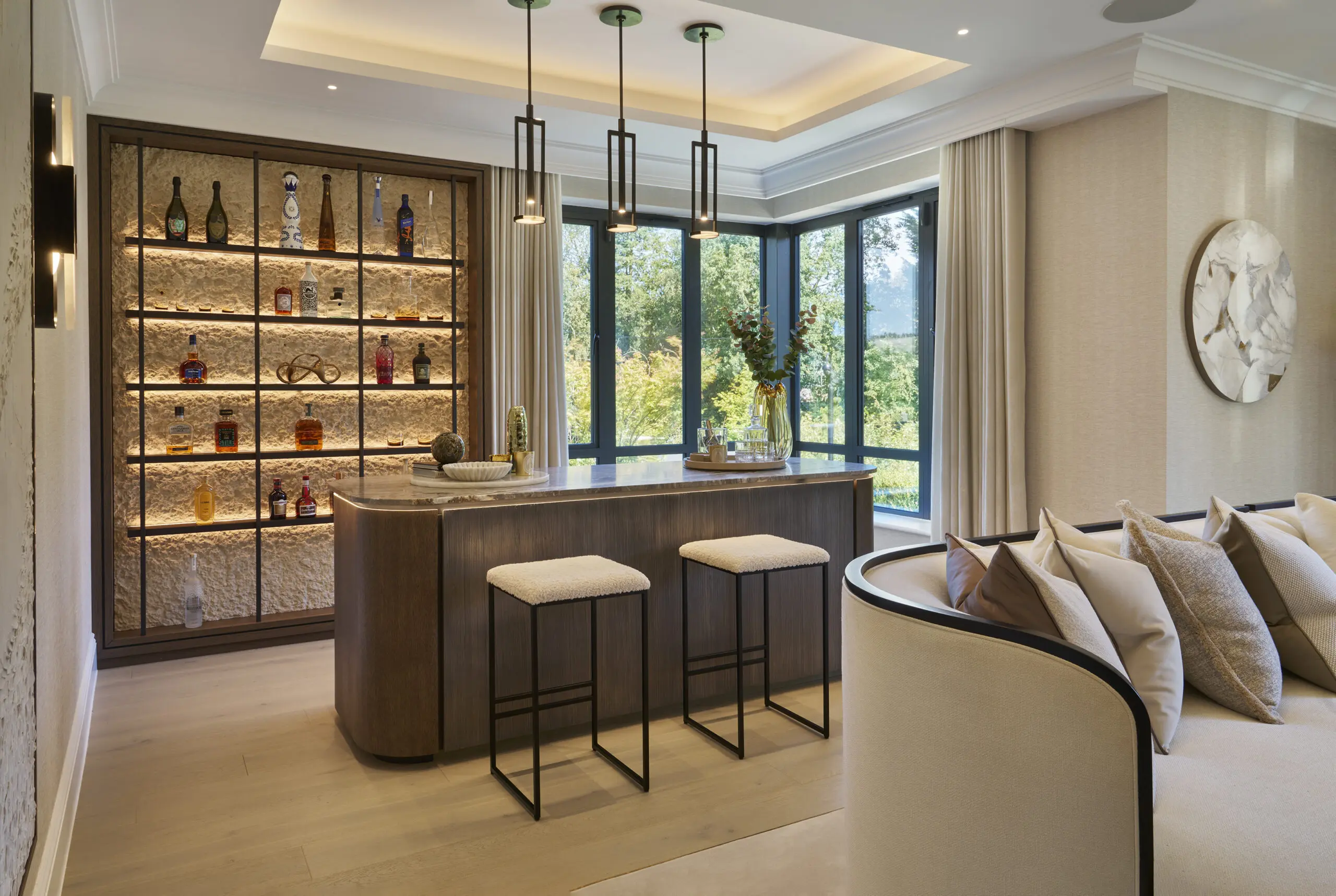
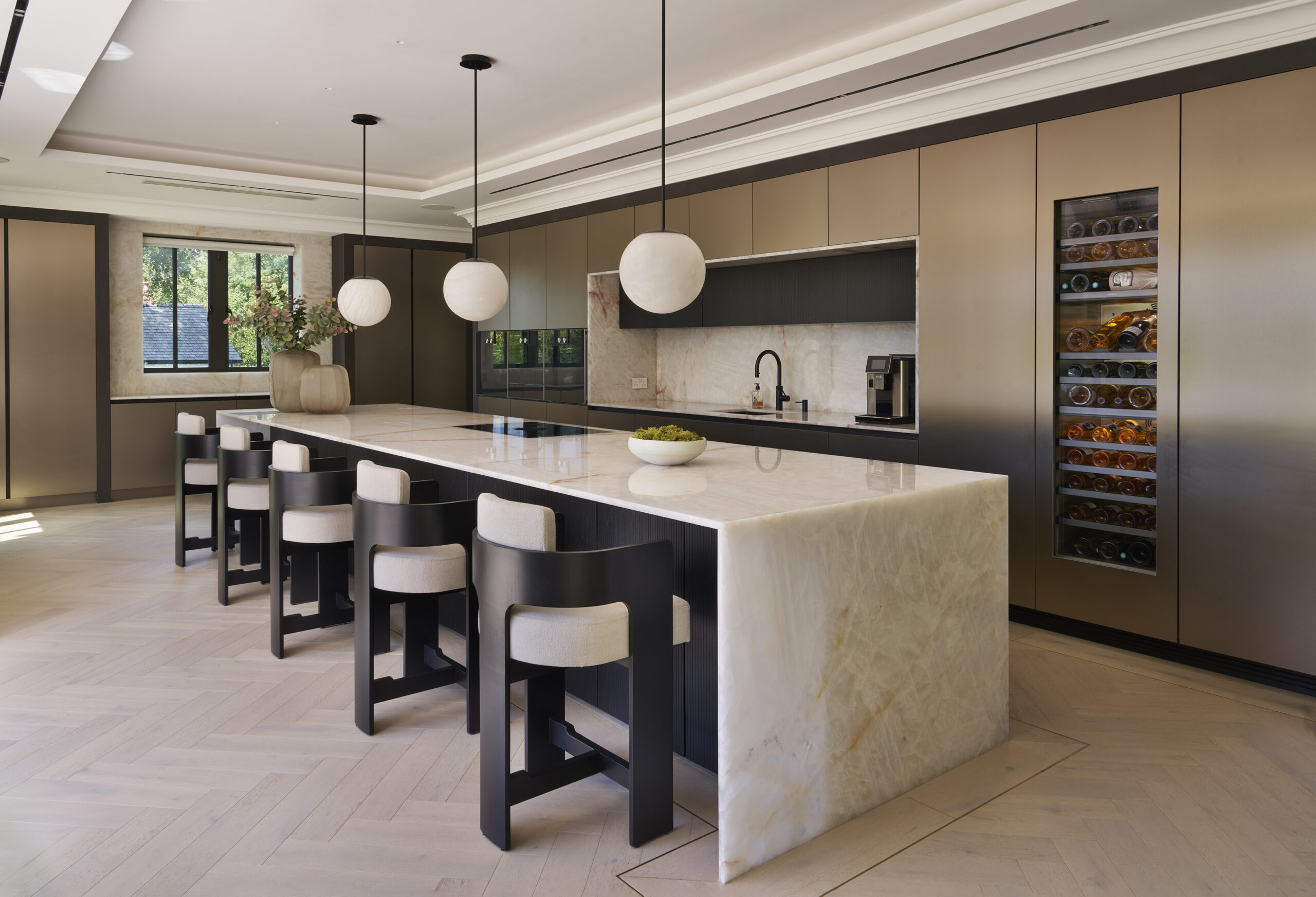
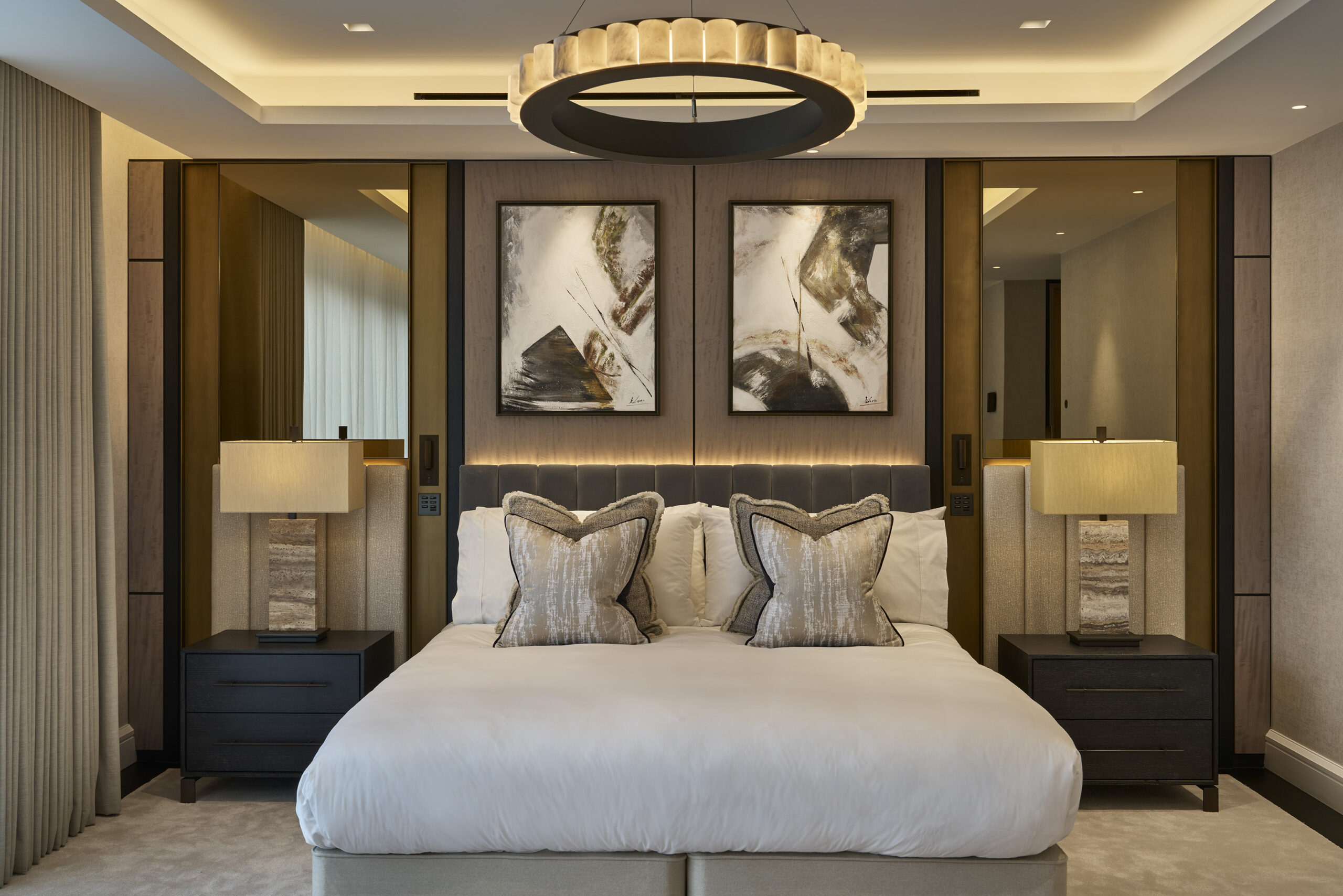
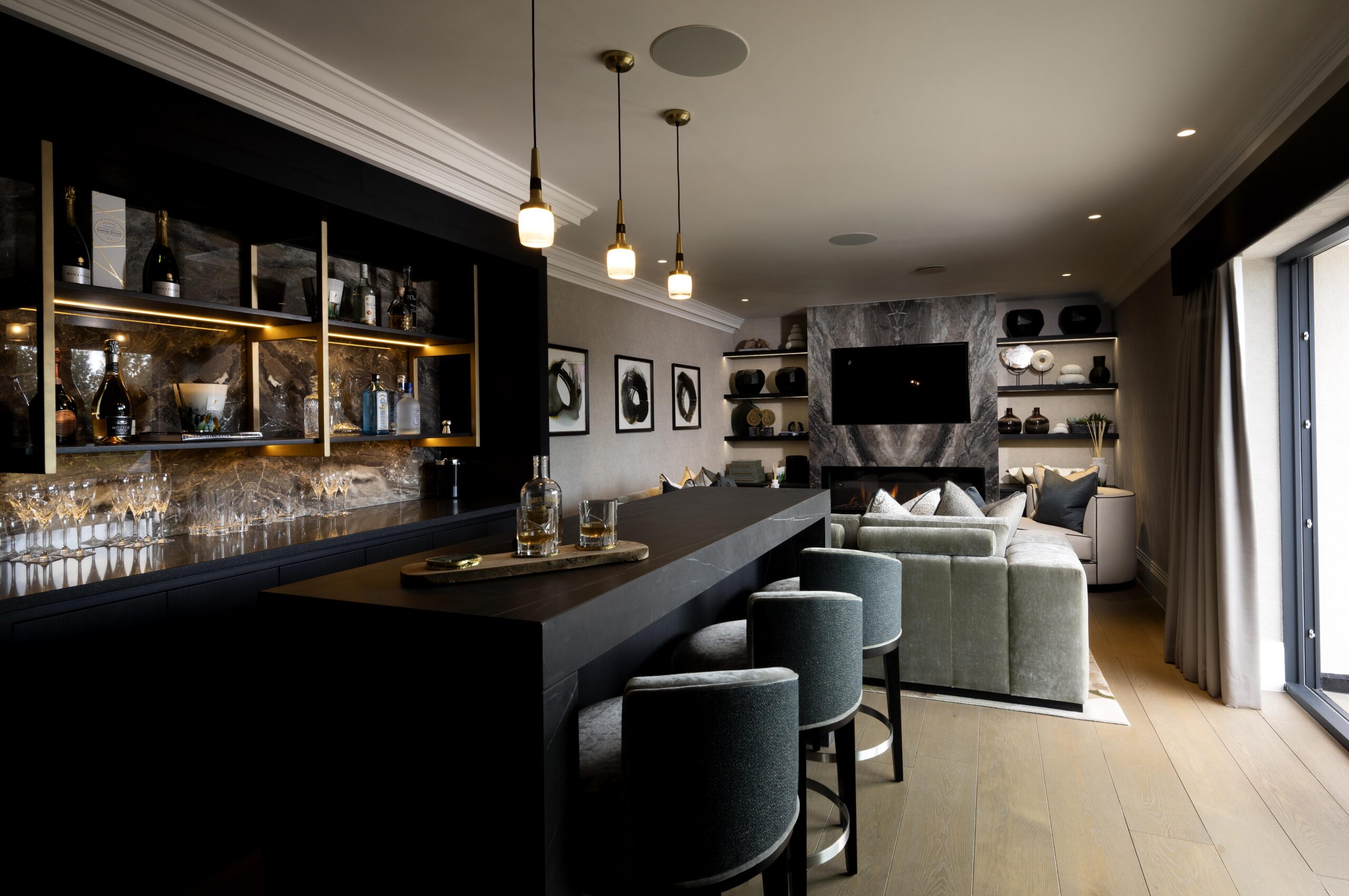
The kitchen and day-living spaces act as a central point for everyday family life, while the formal lounge and bar create a more intimate setting for entertaining. Children’s spaces introduce a different energy again, while the principal suite offers somewhere calmer to switch off at the end of the day.
Rather than designing every room in isolation, each space forms part of a wider whole: individual in purpose, but connected by one consistent design language.
Luxury dose not have to mean precious
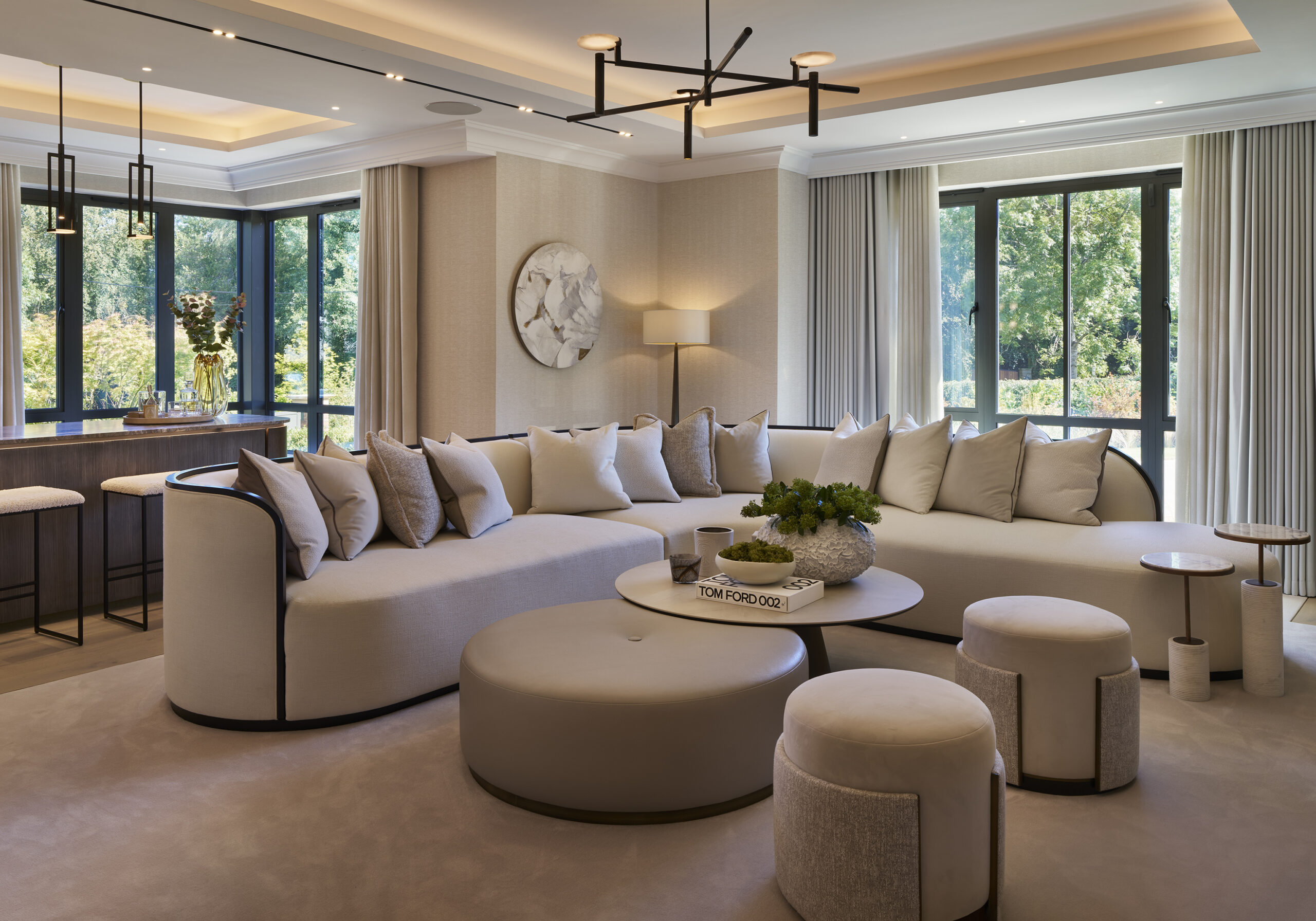
A family home can be highly designed without becoming untouchable. There is a common misconception that luxury is simply about expense. While the term itself is subjective, true luxury often comes down to craftsmanship, quality, longevity and the experience of using something every day.
A beautifully made piece of furniture is not only valuable because of how it looks. It should perform well, feel right within the space and stand the test of time. The same principle applies throughout an interior.
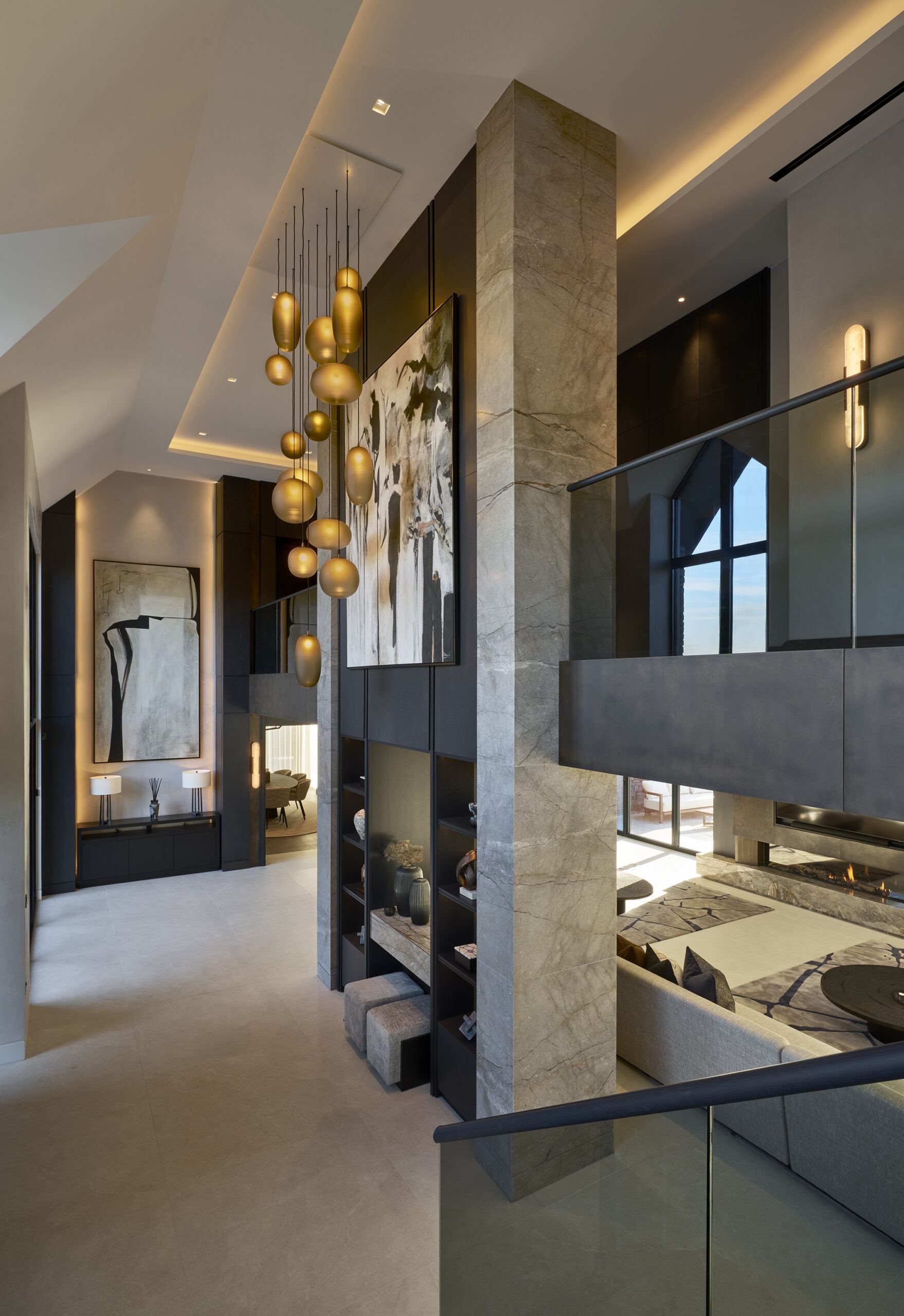
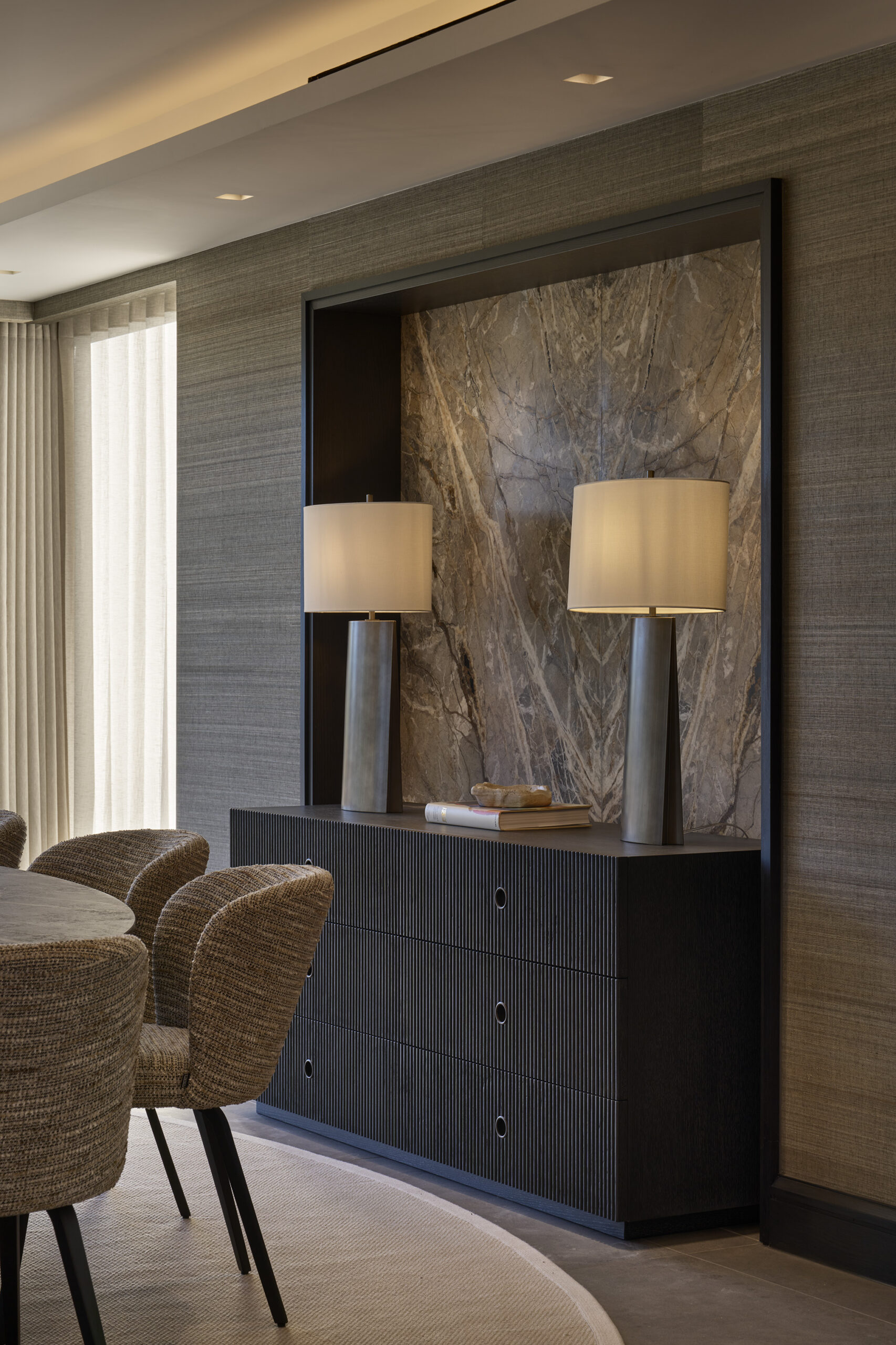
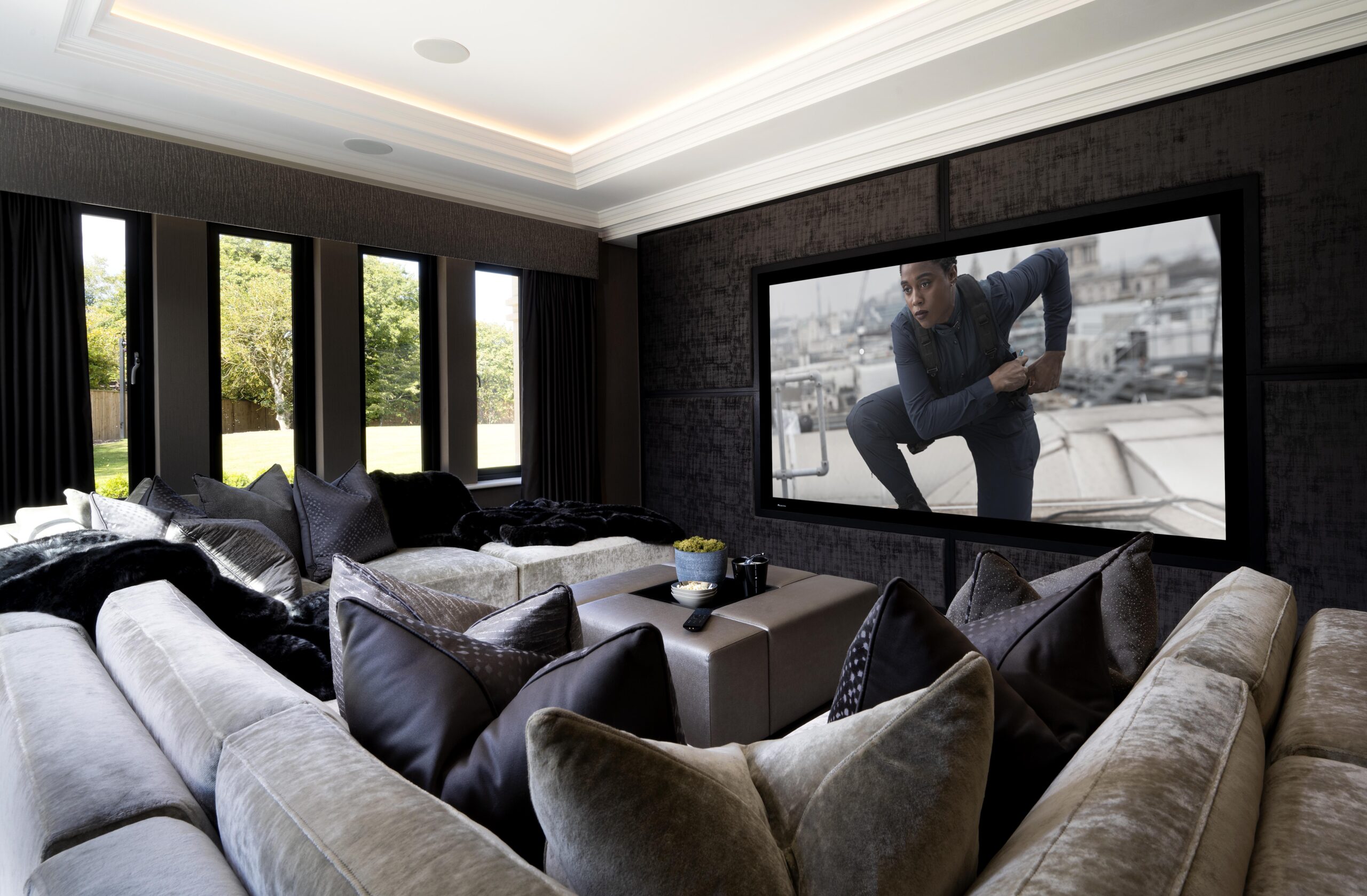
Upholstery should feel tactile and inviting. Stone and timber should introduce richness and character. Furniture should be generous enough to support everyday life. Lighting should create atmosphere and emotion, while finishes should sit naturally within the wider design scheme.
Bespoke design also gives us the opportunity to resolve practical requirements without compromising the overall interior. Storage can disappear into architectural joinery. Technology can be integrated discreetly. Furniture can be designed specifically around the proportions and requirements of a room. Lighting can be layered into joinery, ceilings and furniture so that the effect is felt without the technical detail becoming visually intrusive.
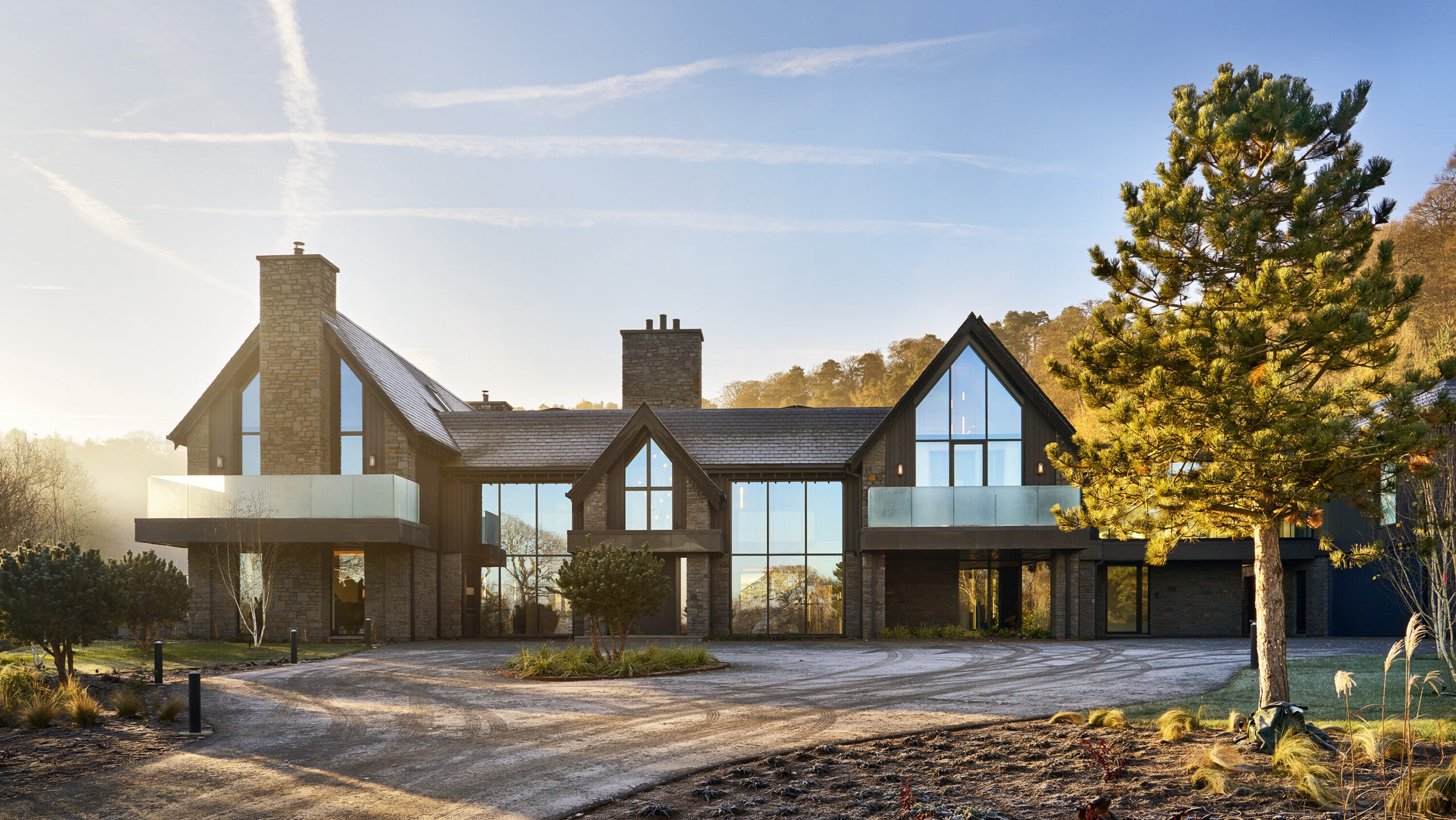
The objective was never to create a show home
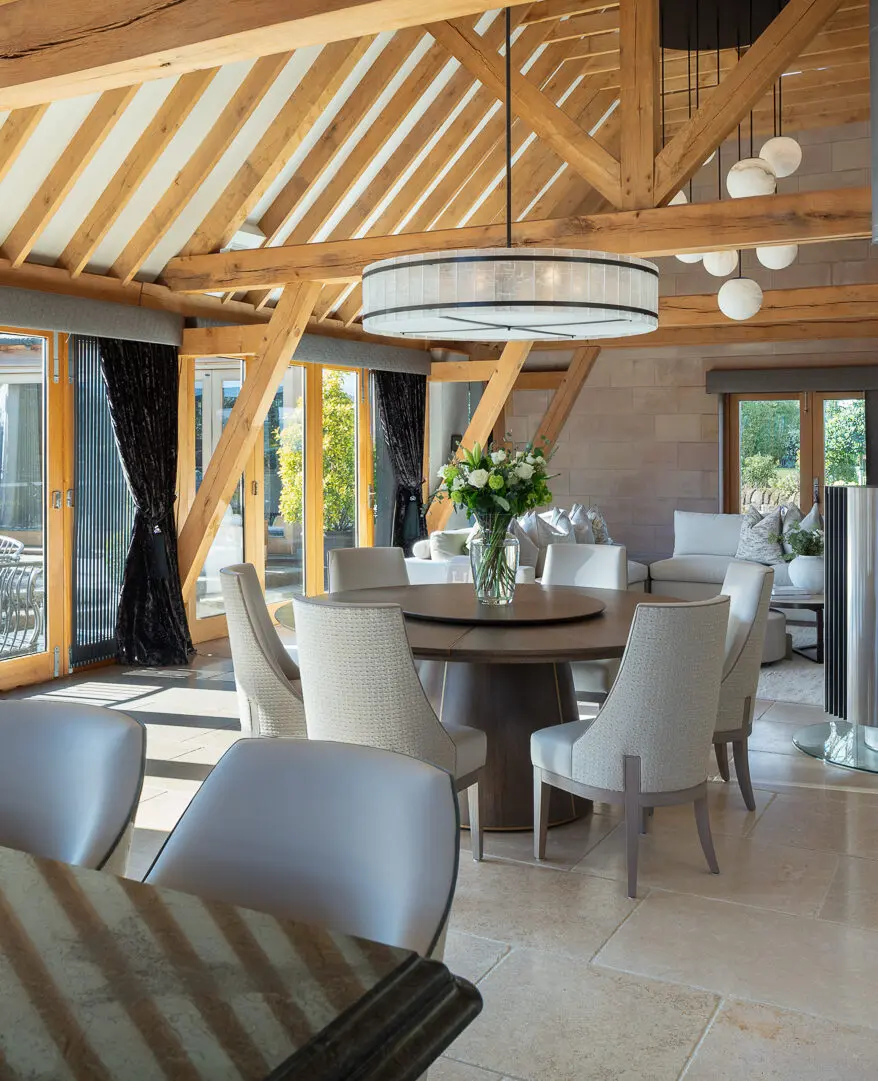
At Whitbrow Heights, the interiors were designed to have presence and impact while remaining somewhere that could genuinely be lived in. The scale of the property demanded confident design, but the result still needed to feel warm, personal and usable.
The quality came through the materials, craftsmanship, detailing and the way each element worked together, rather than through creating rooms that felt staged or untouchable.
That, ultimately, is what makes luxury meaningful: not simply how impressive a space looks, but how well it continues to perform once everyday life begins.
Children’s spaces deserve the same level of design
Children’s rooms are often treated as separate from the wider interior of a home. They can become brighter, busier and visually disconnected, as though the overall design language stops at the bedroom door. There is also sometimes a reluctance to invest too heavily in these spaces because children’s tastes and needs inevitably change as they grow.
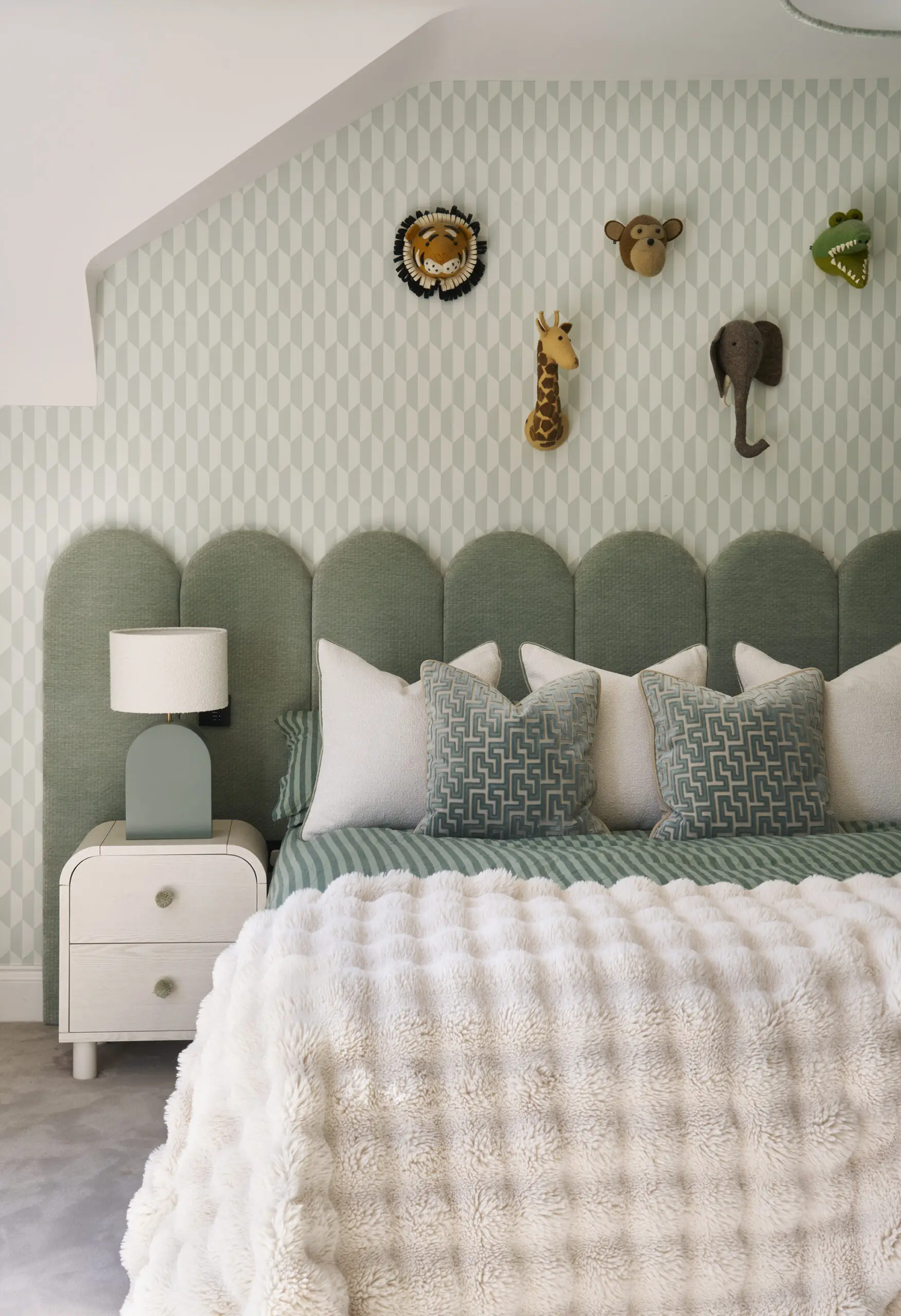
At Design by UBER, we take a different approach. A well-designed children’s space can still feel playful, personal and age-appropriate while remaining connected to the wider home. The key is designing with longevity in mind. Rather than building an entire room around something a child may outgrow quickly, the foundations of the space can remain more timeless. Bespoke storage, adaptable furniture, carefully selected materials and a more considered use of colour allow personality to come through without limiting how the room can evolve.
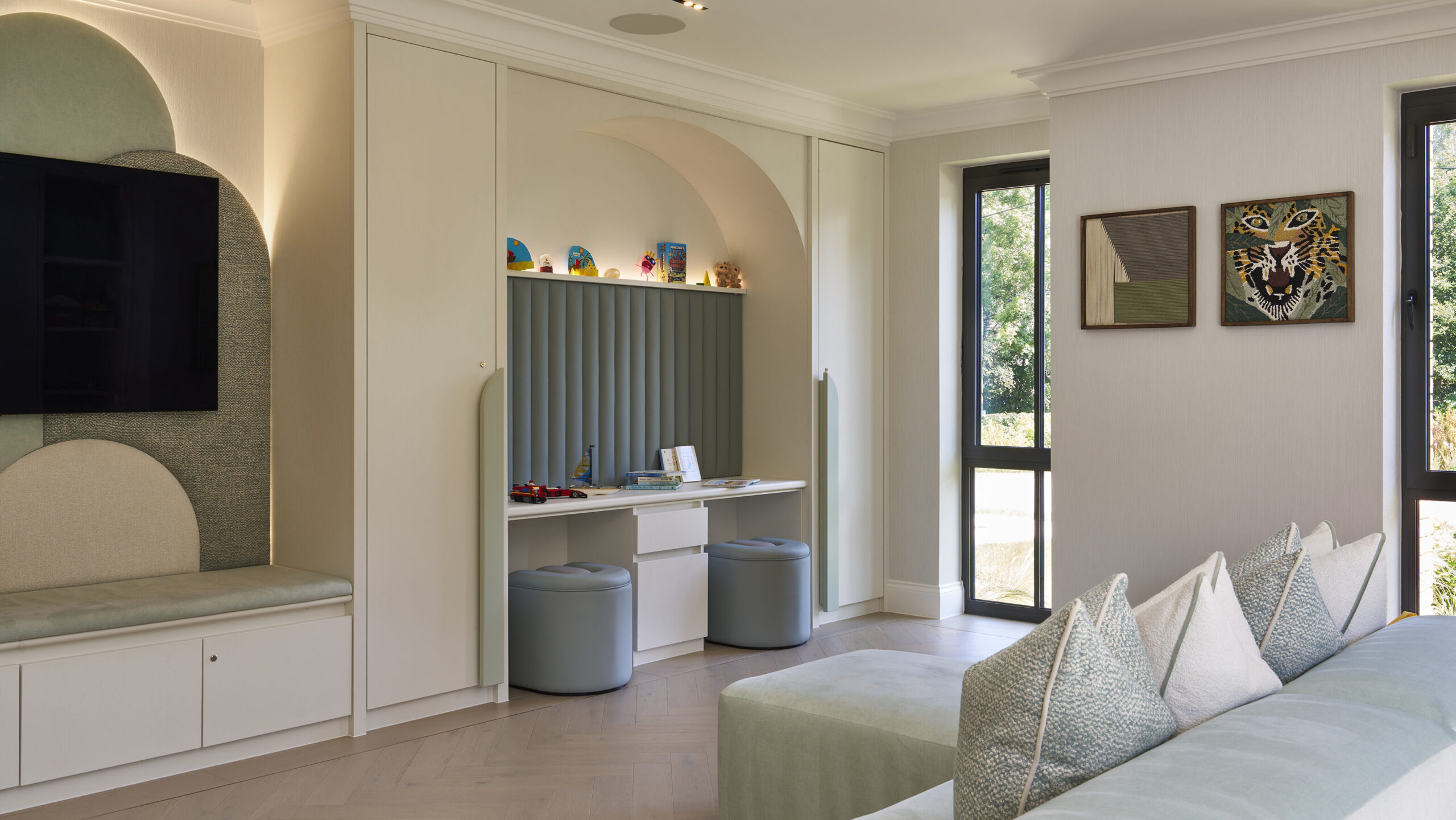
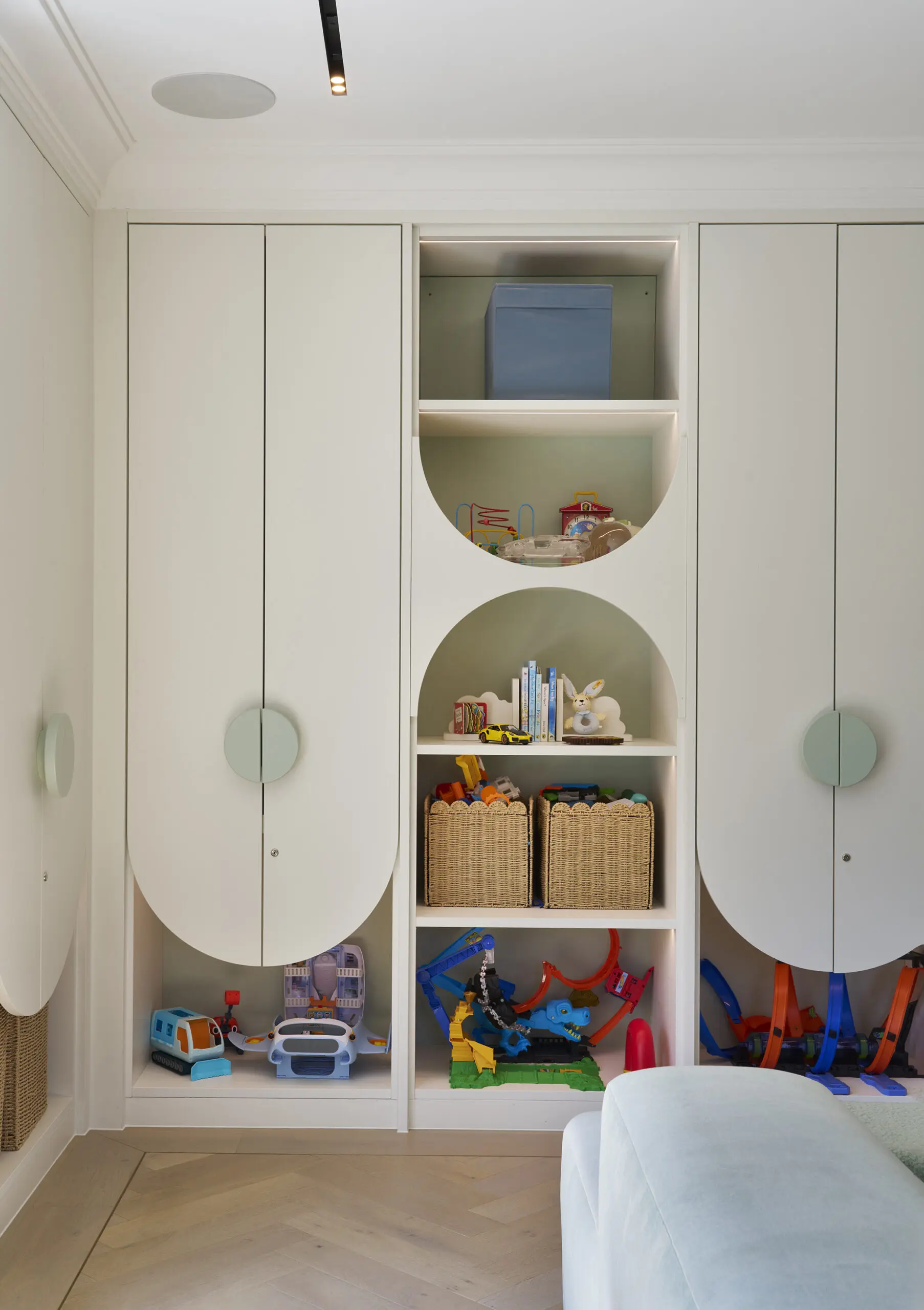
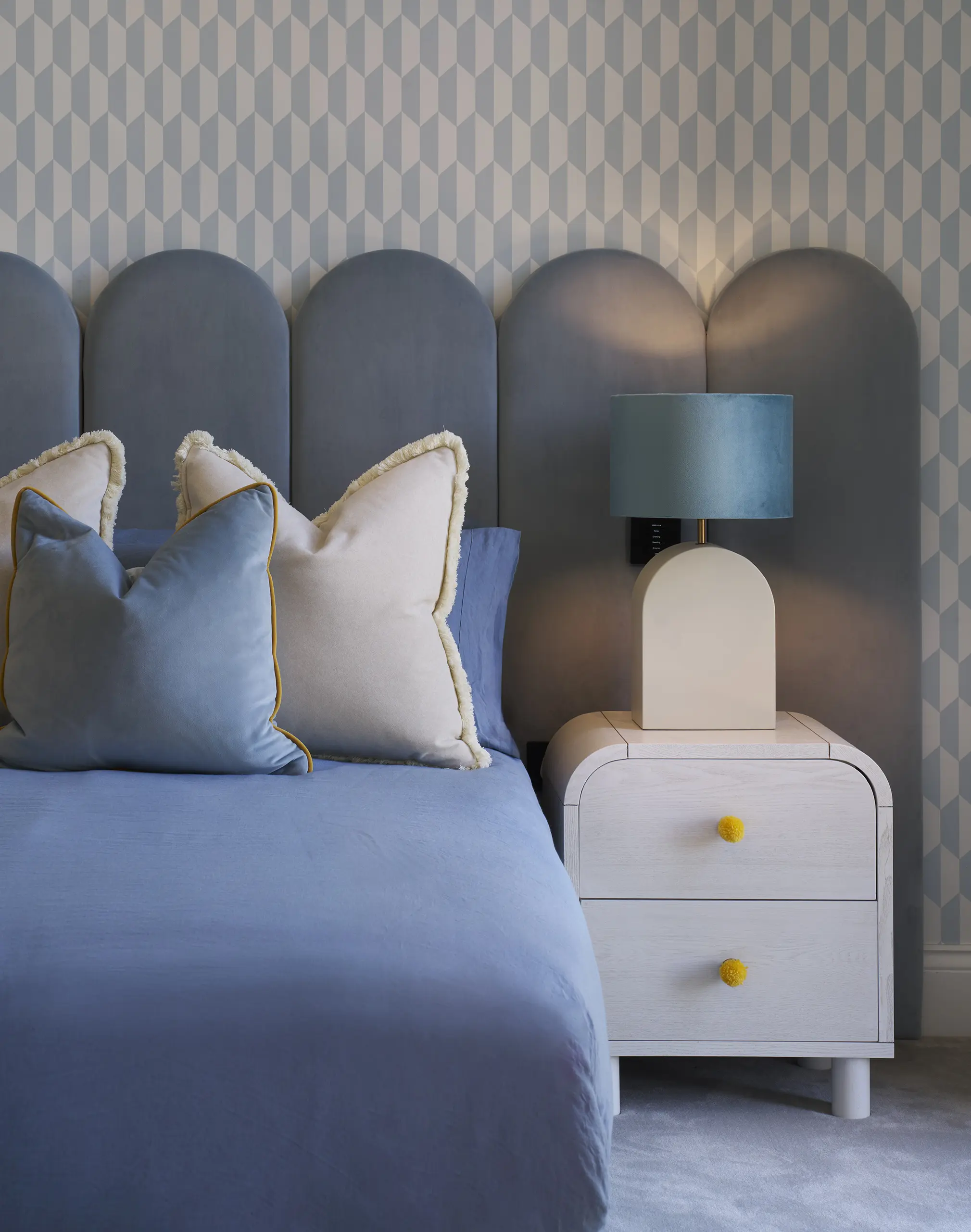
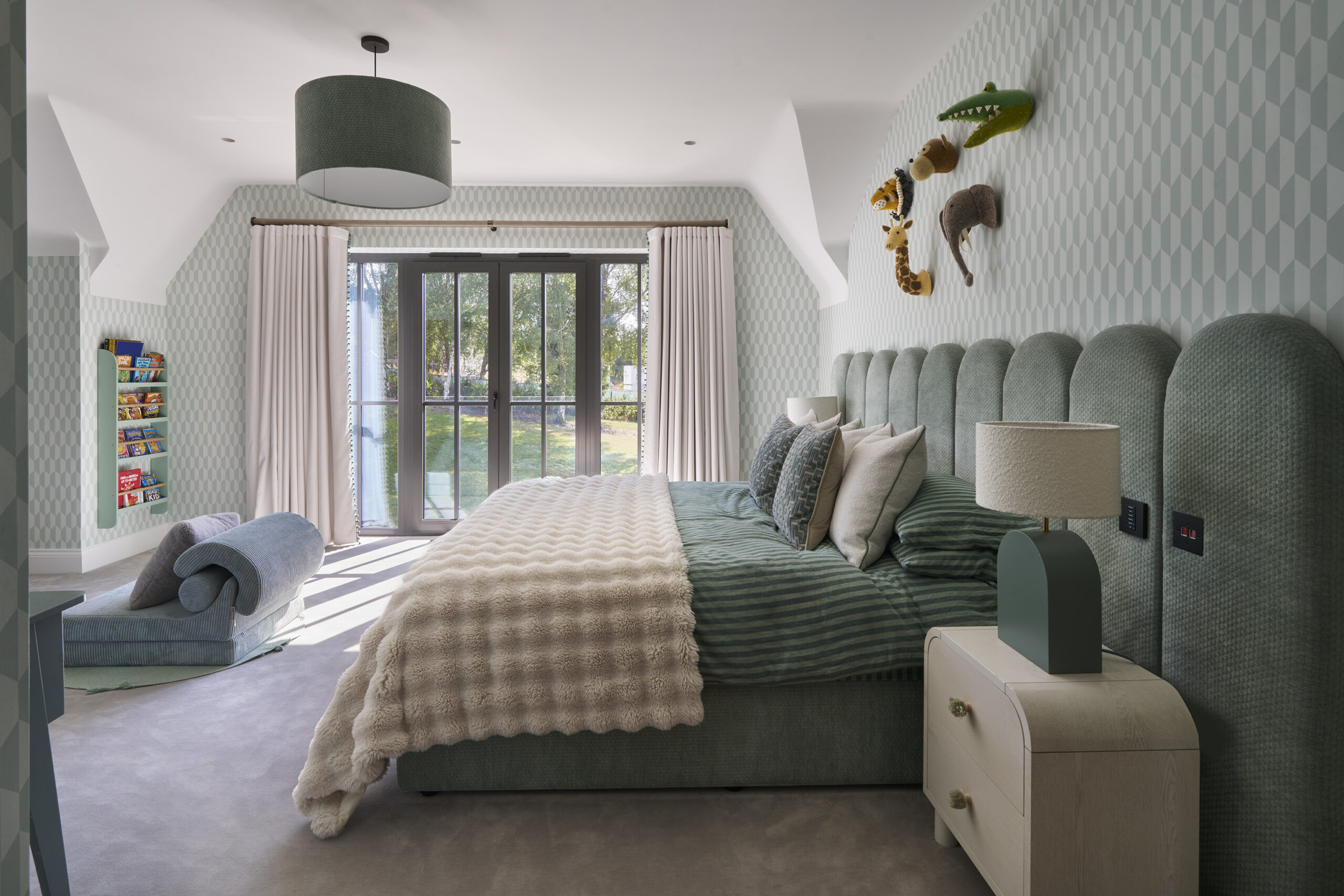
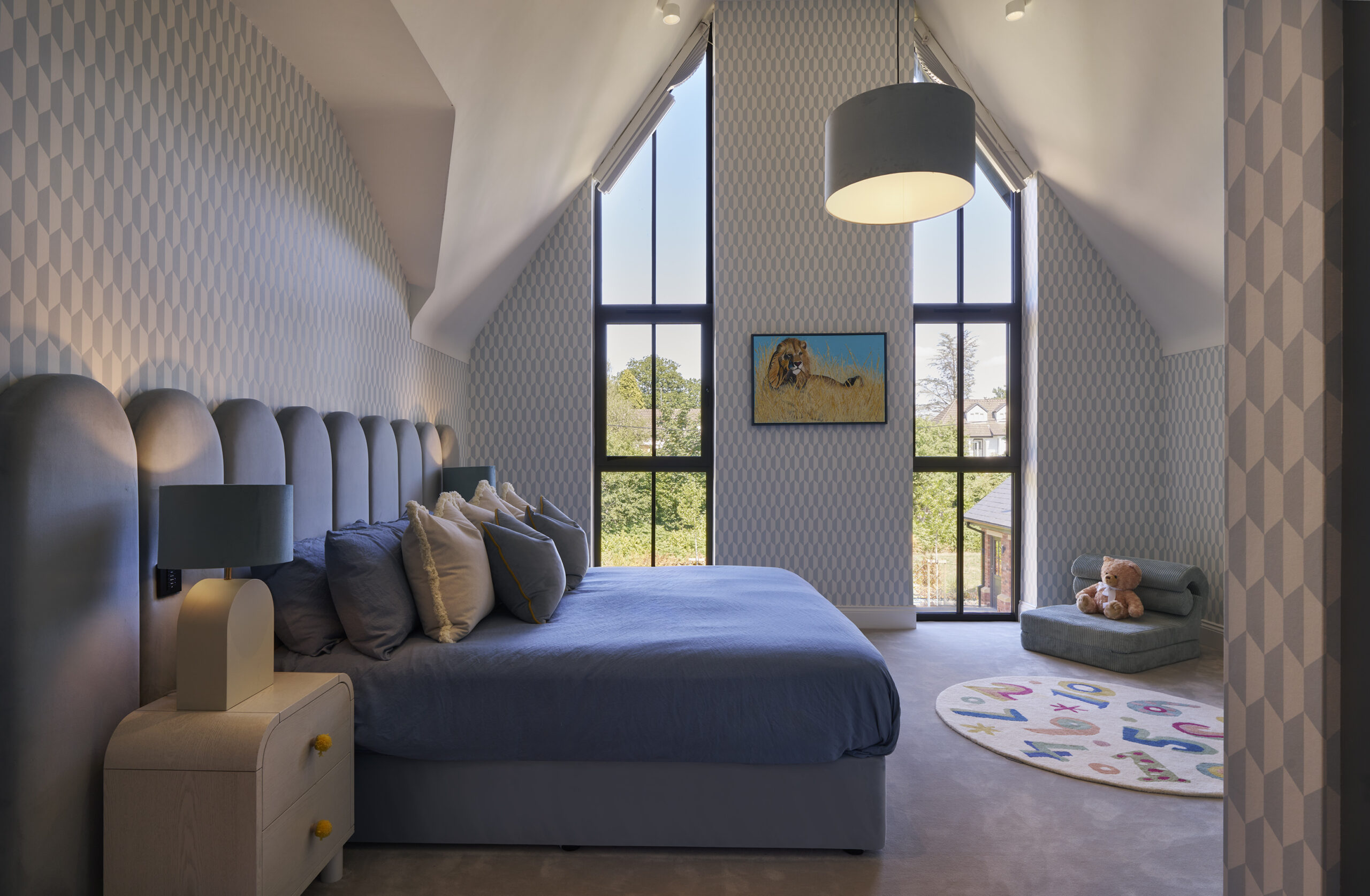
At Bloomfield Residence, the children’s spaces were approached with the same level of attention as the principal rooms.
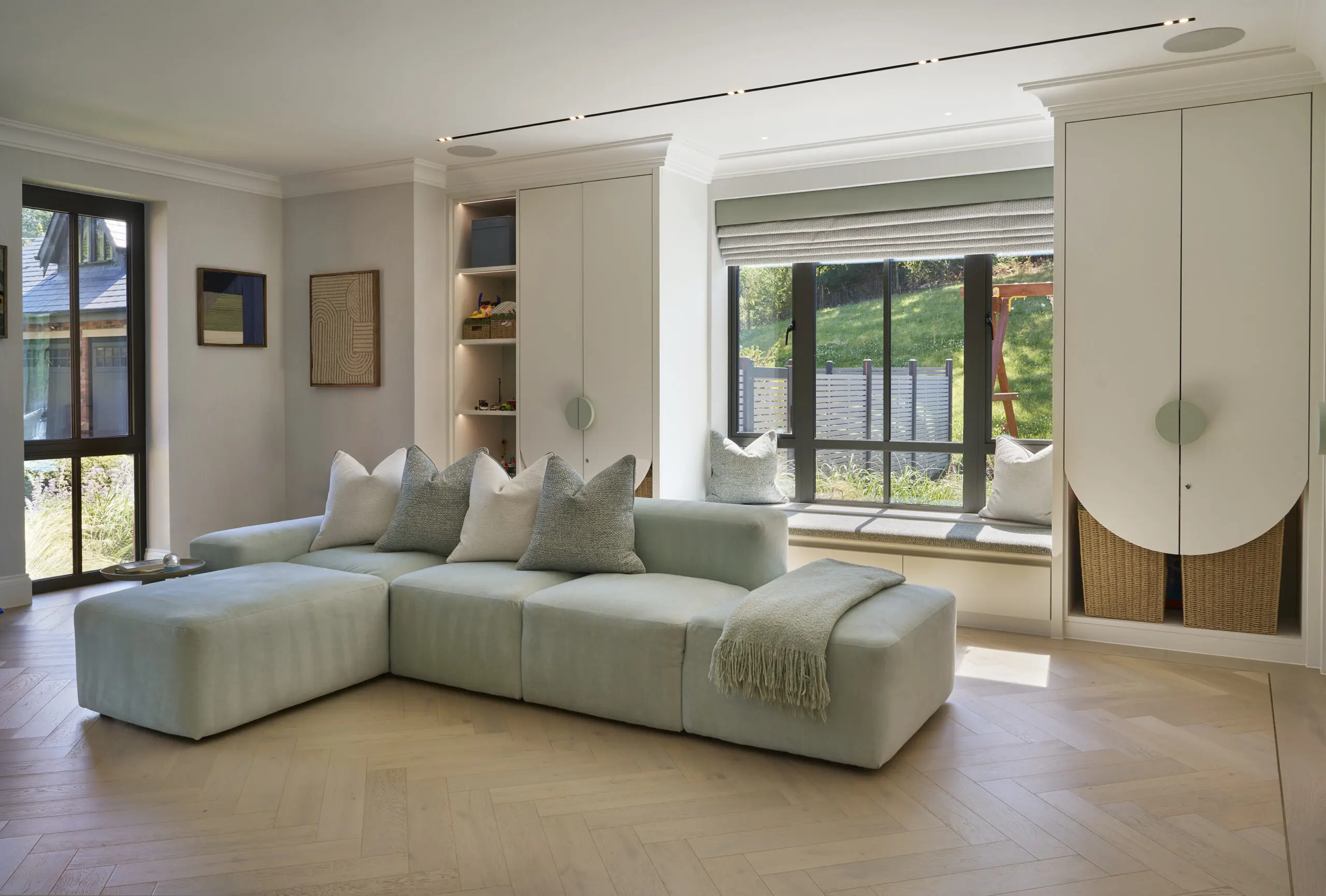
Storage was integrated into the design to support everyday family life, while comfortable seating, desks and flexible layouts created spaces for play, homework and downtime.
The result is playful without feeling disconnected from the rest of the home — proof that children’s rooms can have their own identity while still belonging to the wider interior.
Built around family
At Bloomfield Residence, the children’s spaces were approached with the same level of attention as the principal rooms.
Storage was integrated into the design to support everyday family life, while comfortable seating, desks and flexible layouts created spaces for play, homework and downtime.
The result is playful without feeling disconnected from the rest of the home: proof that children’s rooms can have their own identity while still belonging to the wider interior.
Storage is part of the design, not an afterthought
In a busy family home, maintaining a sense of calm often comes down to one thing: having somewhere for everyday life to go. Storage should therefore be considered from the beginning of the design process, not introduced once everything else has been resolved. Bespoke joinery allows storage to become part of the architecture of the room.
In children’s spaces, it can conceal toys, books and everyday clutter. In living areas, it can integrate media equipment, technology and practical storage. In bedrooms and private spaces, it can reduce visual noise and help create a more restful environment. The best storage rarely announces itself.
Instead, it works quietly in the background, allowing the home to feel organised without sacrificing the overall design.This is particularly important in larger family homes, where the volume of belongings naturally increases and rooms often have multiple functions. Thoughtful storage protects the sense of calm that good interior design is trying to create.
Different rooms, different moods
A cohesive home does not mean every room has to feel the same. In fact, some of the most successful whole-home interiors are those that allow different spaces to develop their own personality while still feeling connected.
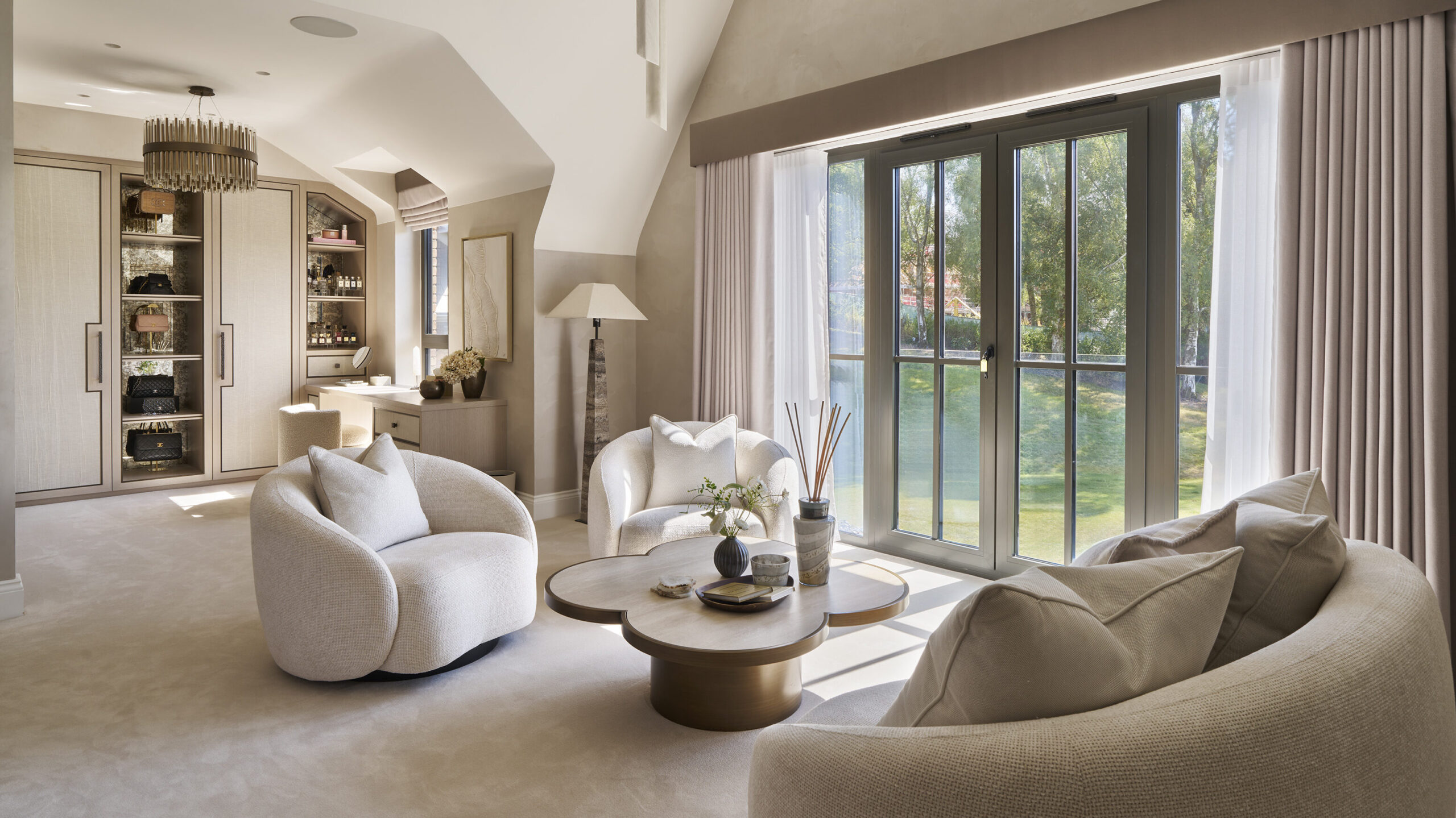
A formal lounge may need to feel richer and more atmospheric, a family room can be lighter and more relaxed, a bar can feel intimate and dramatic after dark, and a principal suite might use softer tones and more tactile materials to create a calmer environment.
Entertaining is part of family life too…
Entertaining and everyday family life are often treated as separate design considerations, but in reality they overlap constantly. The kitchen may be where breakfast happens in the morning and drinks are served in the evening.
A day-living space might host family time during the week and guests at the weekend. A formal lounge can feel more sophisticated without becoming somewhere that is only used on special occasions. The strongest homes allow these transitions to happen naturally.
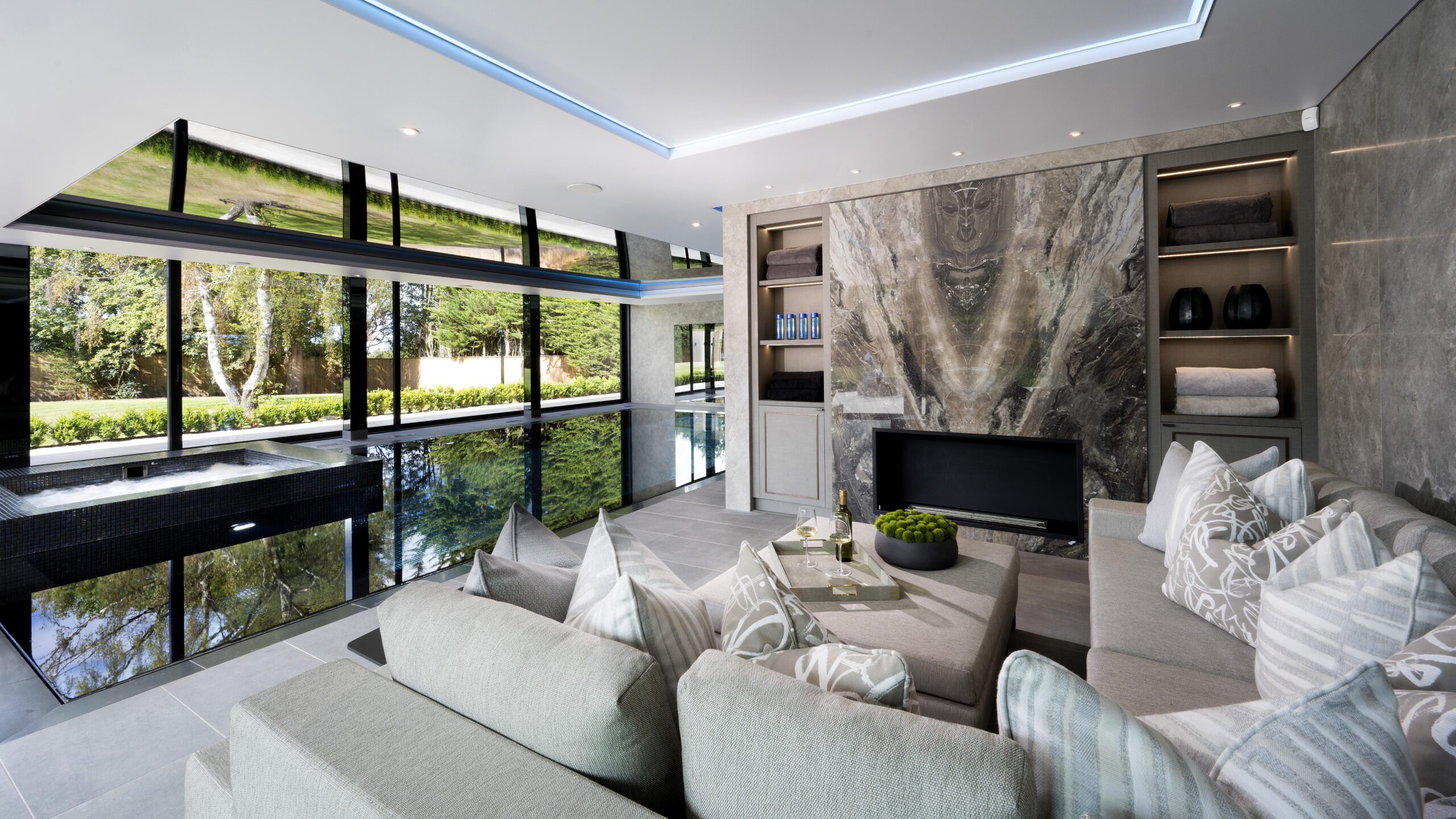
What matters is that there is still a clear thread running through the home
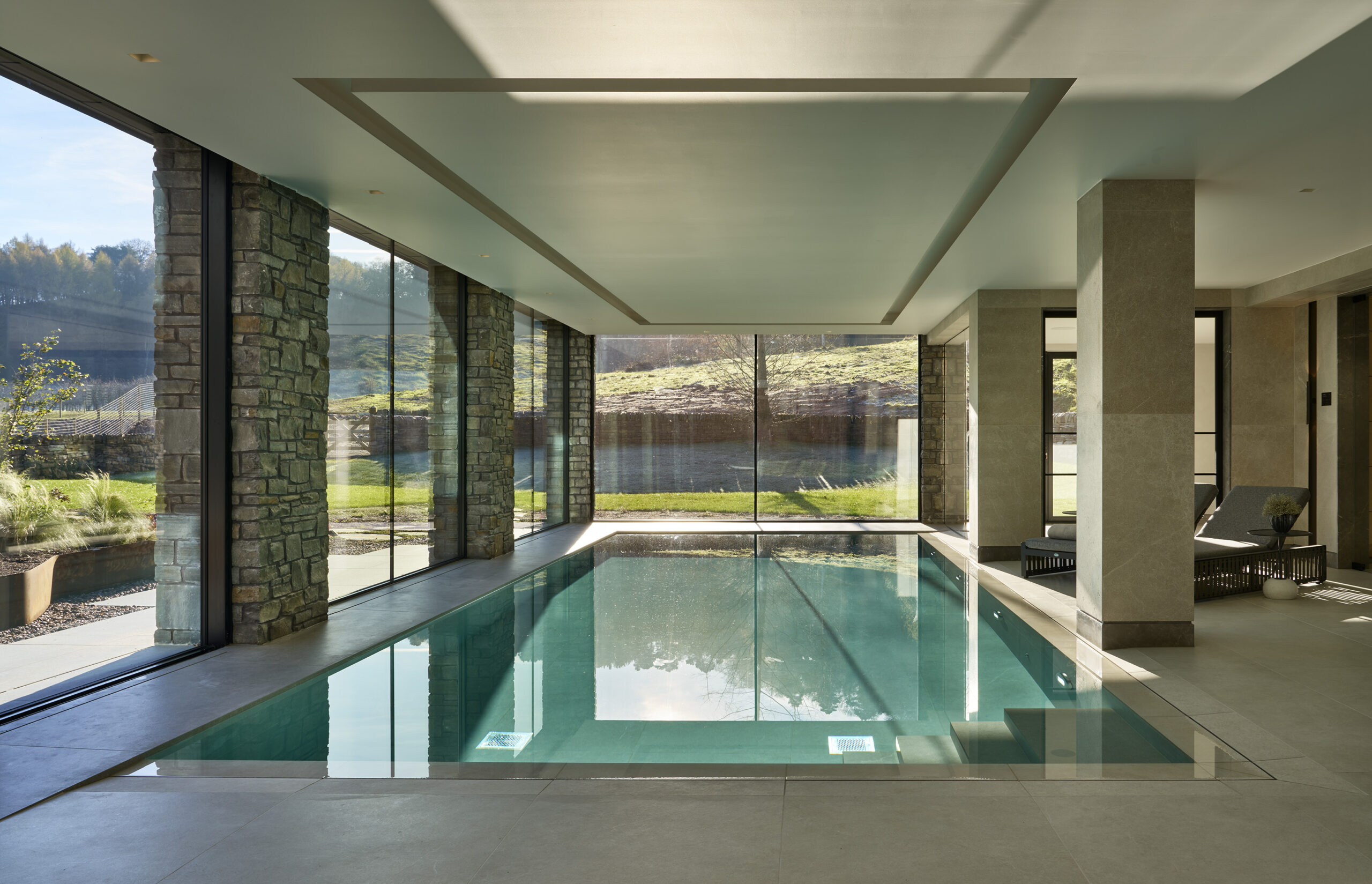
At The Copper, that connection comes through materiality, proportion, sculptural forms, layered lighting and bespoke detailing. Those elements shift subtly from room to room, but the overall design language remains consistent. That creates variation without visual fragmentation. The home feels dynamic because the spaces are allowed to change with their purpose, but cohesive because they still belong to one wider story.
Materials that feel luxurious and built to last
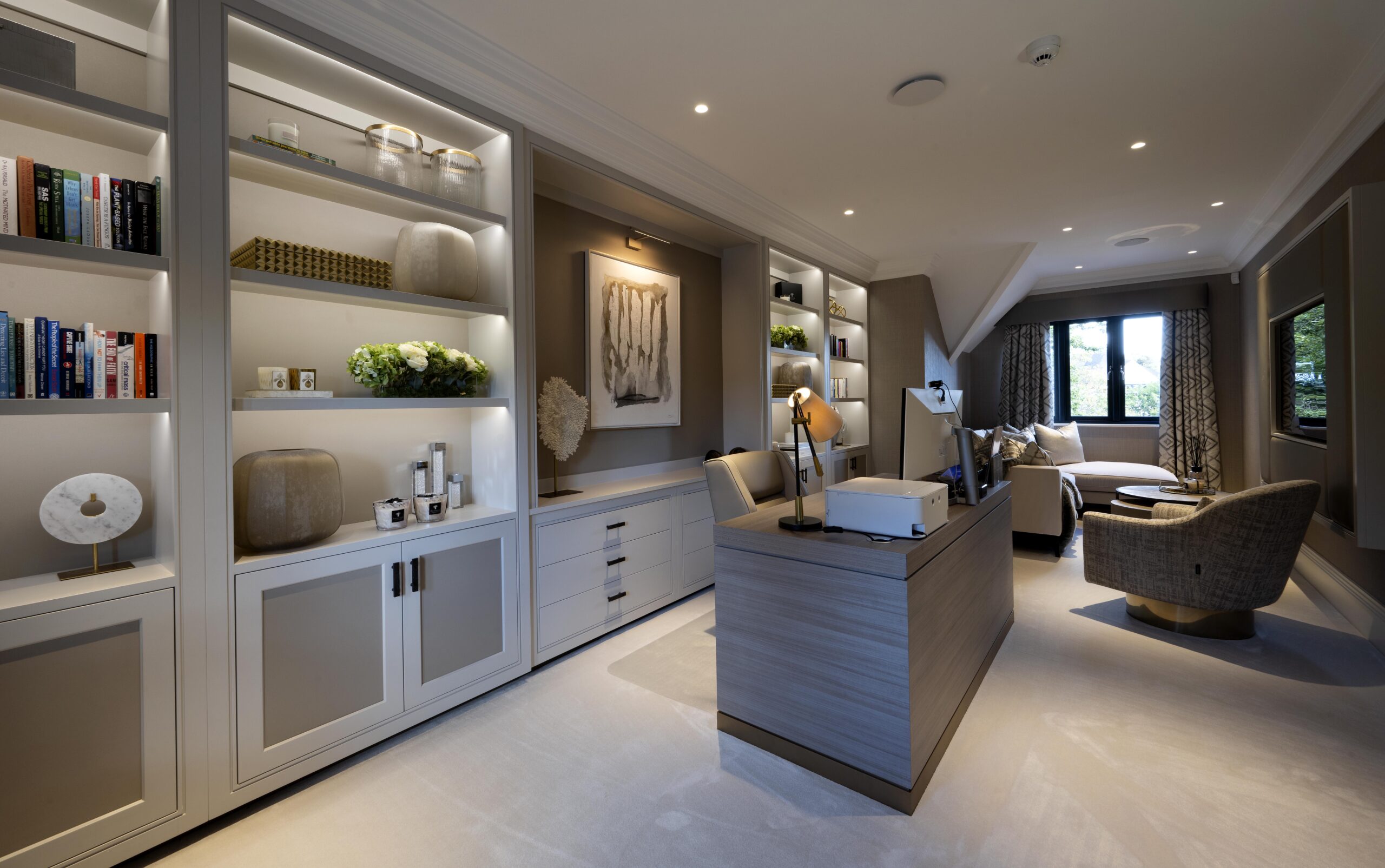
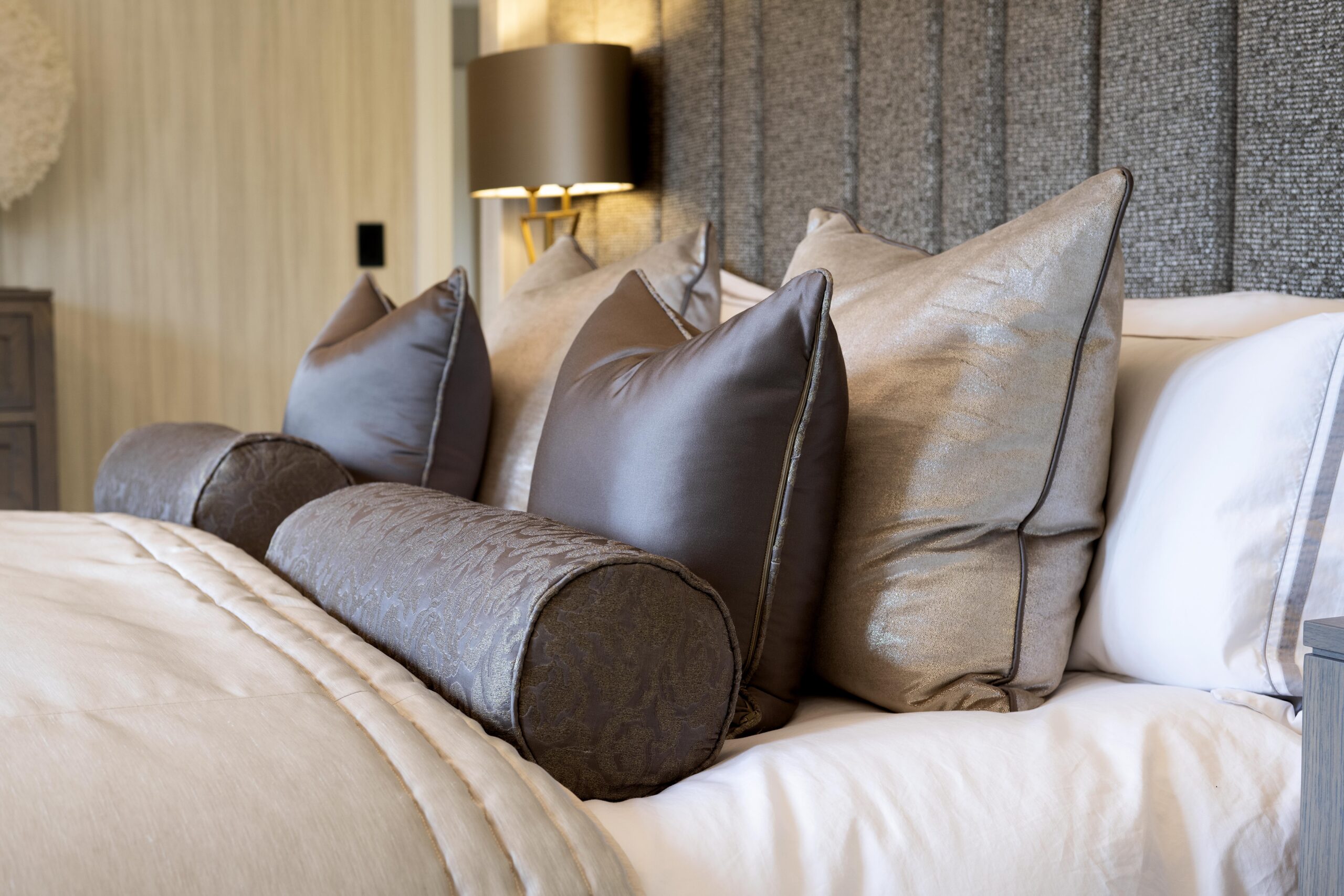
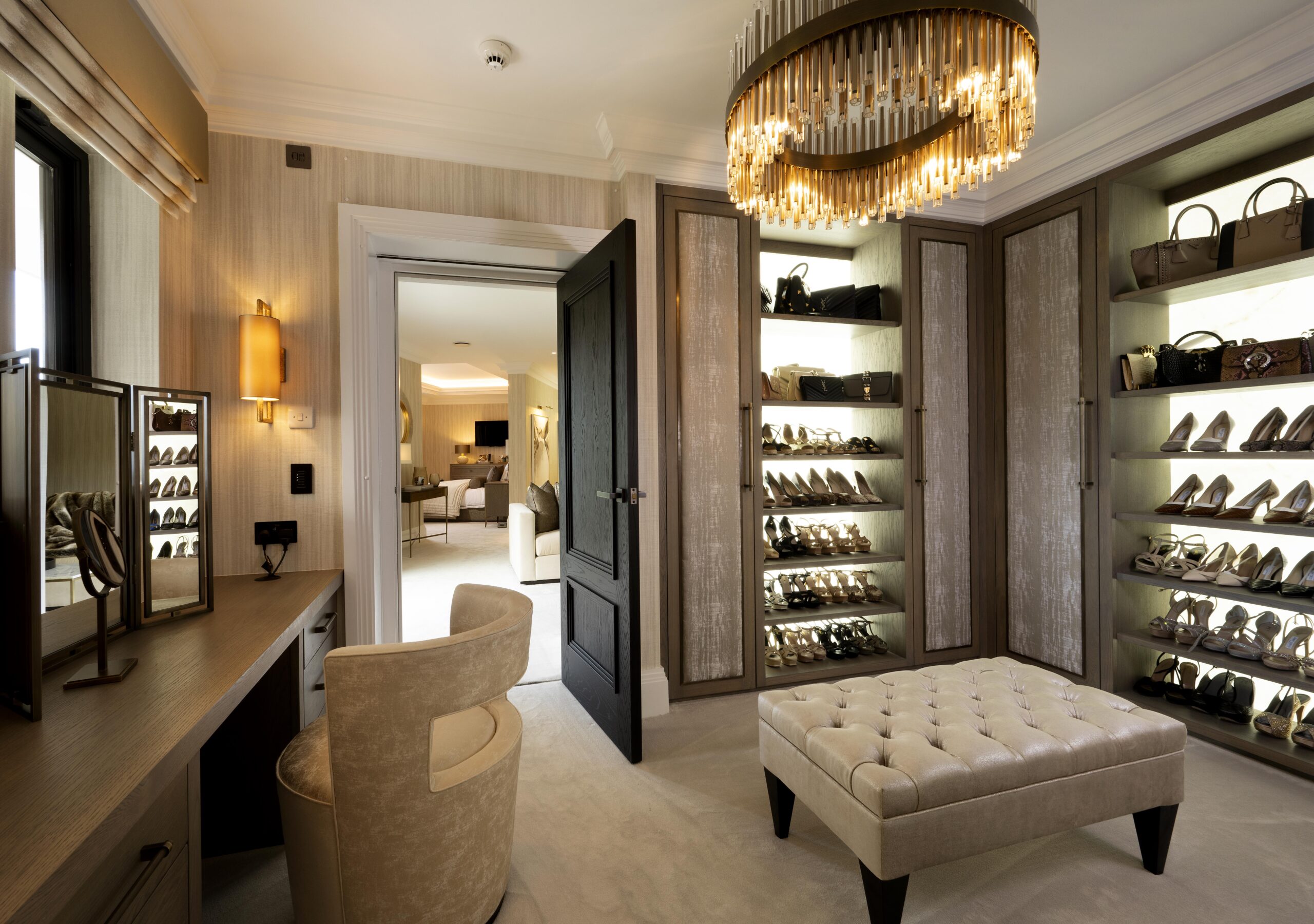
Materiality plays a major role in how a luxury interior feels, but the most beautiful material is not always the right choice if it cannot support the way the space will be used. The key is finding the balance between visual impact, tactility, performance and longevity. Natural stone can bring depth and permanence. Timber introduces warmth and character. Upholstery softens larger spaces and makes them feel more inviting. Textured fabrics and layered finishes create richness without relying on excessive decoration. Lighting then brings those materials to life, changing how surfaces are experienced throughout the day and adding atmosphere after dark. Quality materials should not make a homeowner afraid to use their space.
Where appropriate, they should be durable, repairable, adaptable and capable of ageing gracefully. The same applies to furniture. An investment piece should work just as hard as it looks good. Bespoke furniture, in particular, gives us the ability to tailor proportions, finishes and functionality around the room and the people using it. The result is an interior where luxury feels natural rather than performative.
Designing a home around real life
The most successful family homes are not the ones that simply photograph beautifully on completion. They are the ones that continue to work once the doors close, the family moves in and everyday life begins. That means considering how people gather, how they work, where they switch off, where children play, where guests are entertained, where belongings are stored and how technology fits into all of it.
It also means accepting that luxury and practicality are not opposing ideas.
When the planning is right, the practical elements can become part of what makes the home feel luxurious in the first place.
A beautiful home should never feel disconnected from the people living in it. Instead, the design should respond to their routines, priorities and the different ways they want to use their home.
At Design by UBER, that is what whole-home design is ultimately about.Creating interiors that feel sophisticated without feeling formal, highly designed without feeling staged, and luxurious without becoming impractical.
Five-star luxury. Family reality.
If our design philosophy and approach to creating thoughtful, beautifully considered interiors resonate with you, we’d love to hear about your plans.
Whether you’re at the early stages of an idea or ready to embark on a new project, we’d be delighted to hear more about what you have in mind. Get in touch using the form below, and let’s start a conversation about creating a home that reflects the way you want to live.